Common Mistakes When Using Scaffold Frogs (And How To Avoid Them)
- Scaffolding
- Site Safety

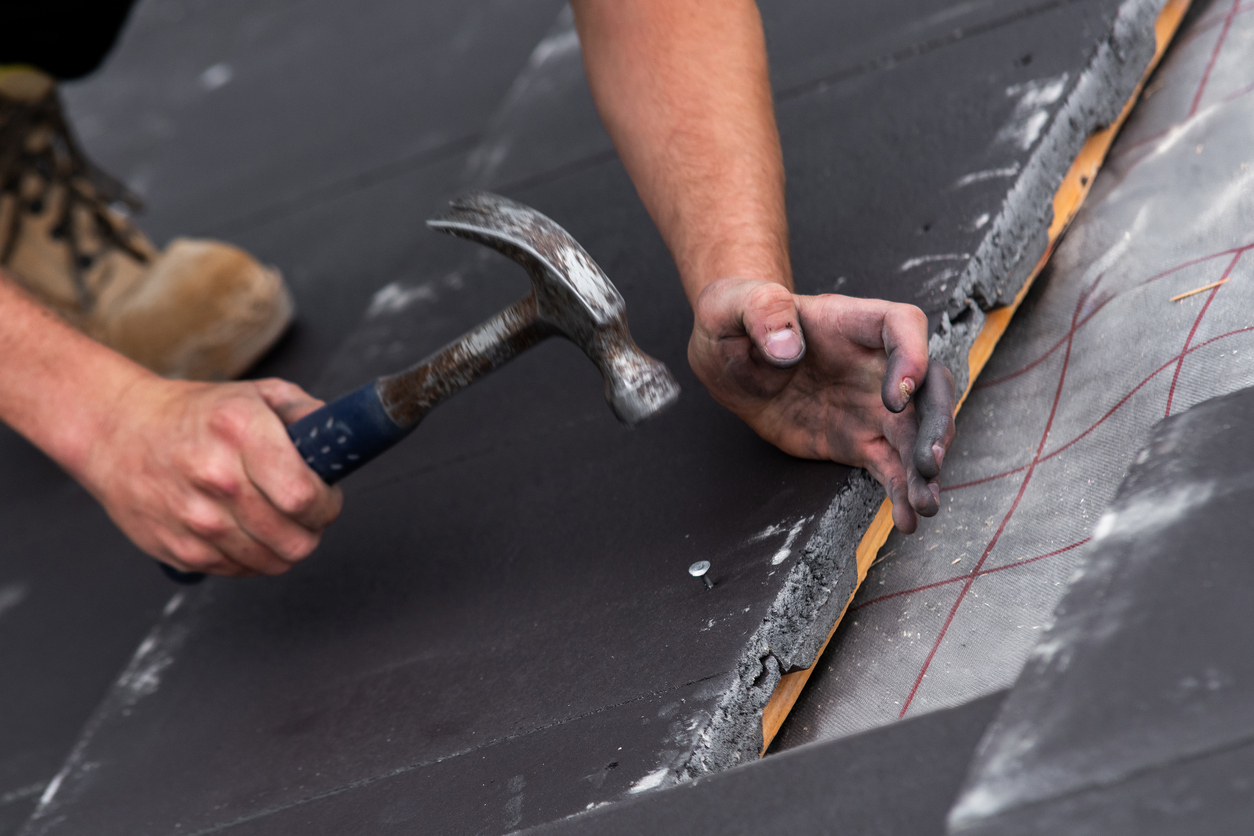
On any commercial construction or engineering project across the UK, an operative’s hand tools are a direct extension of their trade. While the uninitiated might assume any standard claw hammer will suffice, professional scaffolders require highly specialized striking tools built for extreme durability, alignment capability, and safety at height.
Attempting to use a domestic wooden carpenter hammer on a scaffolding rig is a serious hazard. Wooden handles snap easily under industrial leverage, non-tethered designs breach UK safety regulations, and brittle steel heads can chip or shatter when striking hardened steel components.
Whether your site team operates on traditional tube-and-fitting frameworks or modern modular access towers, using purpose-built scaffolding hammers is essential for site productivity and operative safety.
For scaffolders assembling modular system frameworks, such as Layher, Kwikstage, or Cuplock, the classic Toffee Hammer is an indispensable site tool.
Key features and benefits include:
When extreme structural durability is required, premium one-piece steel hammers, such as the HD Estwing Roofers and Layher type hammers, are the industry gold standard.
Key features and benefits include:
For daily site maintenance, base plate adjustments, and striking temporary components, versatile budget scaffold hammers offer a reliable, cost-effective solution.
Key features and benefits include:
Under UK Work at Height Regulations, a hammer is not complete without a certified tool restraint system. Dropping a heavy steel striking tool from height can have catastrophic consequences for workers and members of the public below.
To remain fully compliant on site, professional scaffolders utilize:
At GR+ by George Roberts, we supply fully certified equipment to ensure your workforce remains safe and compliant on every project:
Q: Why are wooden-handled hammers unsafe for commercial scaffolding work?
A: Wooden handles absorb ambient moisture and are highly susceptible to splitting under severe lateral force. If a wooden handle breaks while working at height, the free-falling hammer head poses a severe hazard to operatives working below.
Q: What is a scaffold toffee hammer used for?
A: A toffee hammer is specifically engineered for modular system scaffolding, such as Cuplock, Kwikstage, or Layher. Its weighted, compact head allows operatives to strike rosettes and wedge pins securely without damaging the surrounding metal components.
Q: How do I properly tether a heavy scaffold hammer when working at height?
A: Heavy hammers should be fitted with a dedicated metal split ring or collar on the handle, connected via a heavy-duty (HD) tool lanyard to a steel D-ring on your scaffolder’s belt or safety harness. Always conduct a visual inspection of the lanyard and connections before climbing.
Q: Can I use the same hammer for both traditional tube-and-fitting and modular system scaffolding?
A: While solid one-piece steel hammers can be used across various builds, system scaffolding operates much faster with a dedicated toffee hammer or podger hammer. Having the correct tool ensures faster assembly times and reduces wear on wedge locking mechanisms.

Sourcing high-quality steel or aluminium poles represents a substantial financial commitment for any construction or scaffolding firm. Whether ...
In the construction and engineering sectors, a scaffolding structure is frequently categorised by its scale or its overarching ...

Every safe scaffolding structure relies completely on the physical integrity of its individual components. While scaffold boards provide ...
Please select the List you wish to add to.