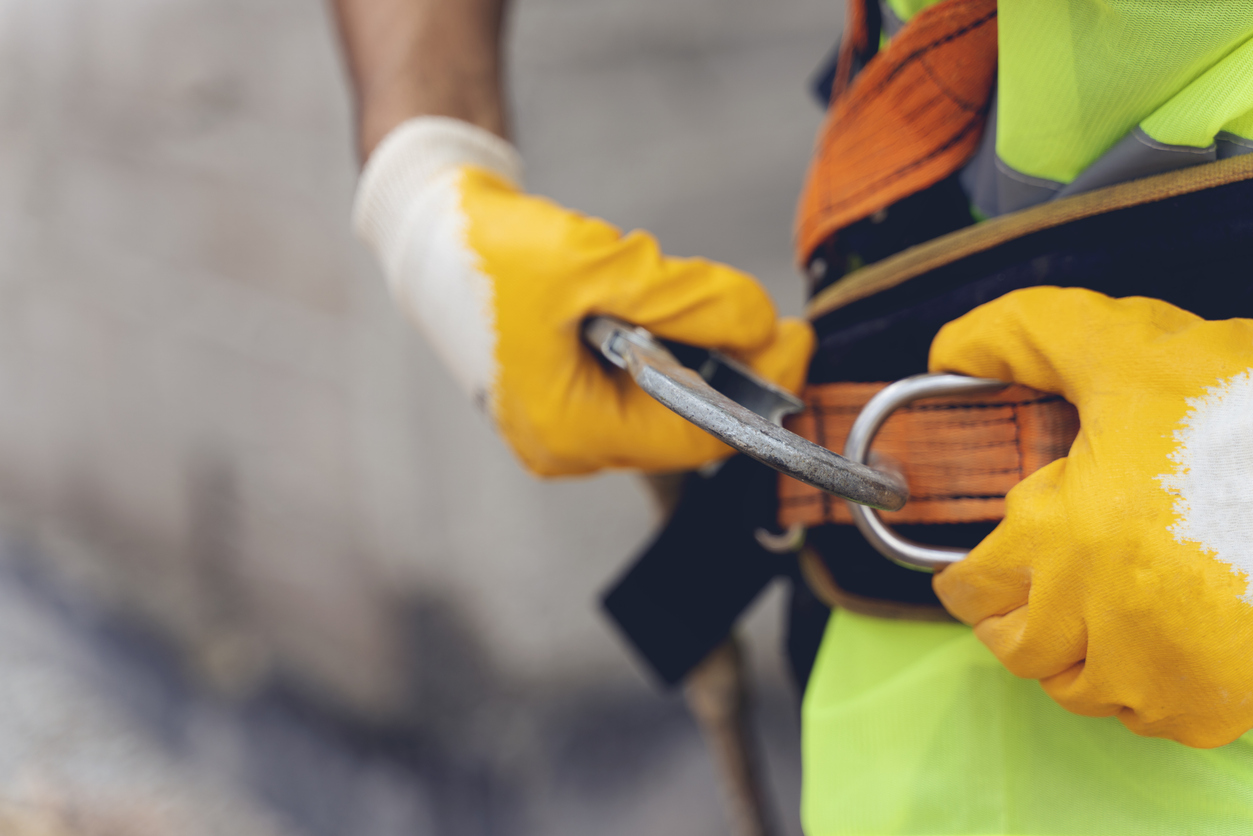
Why Proper Fit Matters With Scaffold Belts
- Scaffolding
Please note we will be closed Friday the 30ᵗʰ of October for our annual Stock Take. We will reopen Monday 2nd of November.
We will still deliver on Friday 30ᵗʰ of October but our depot will be closed for Collections. We will not deliver Monday 2nd November but you will be able to collect.

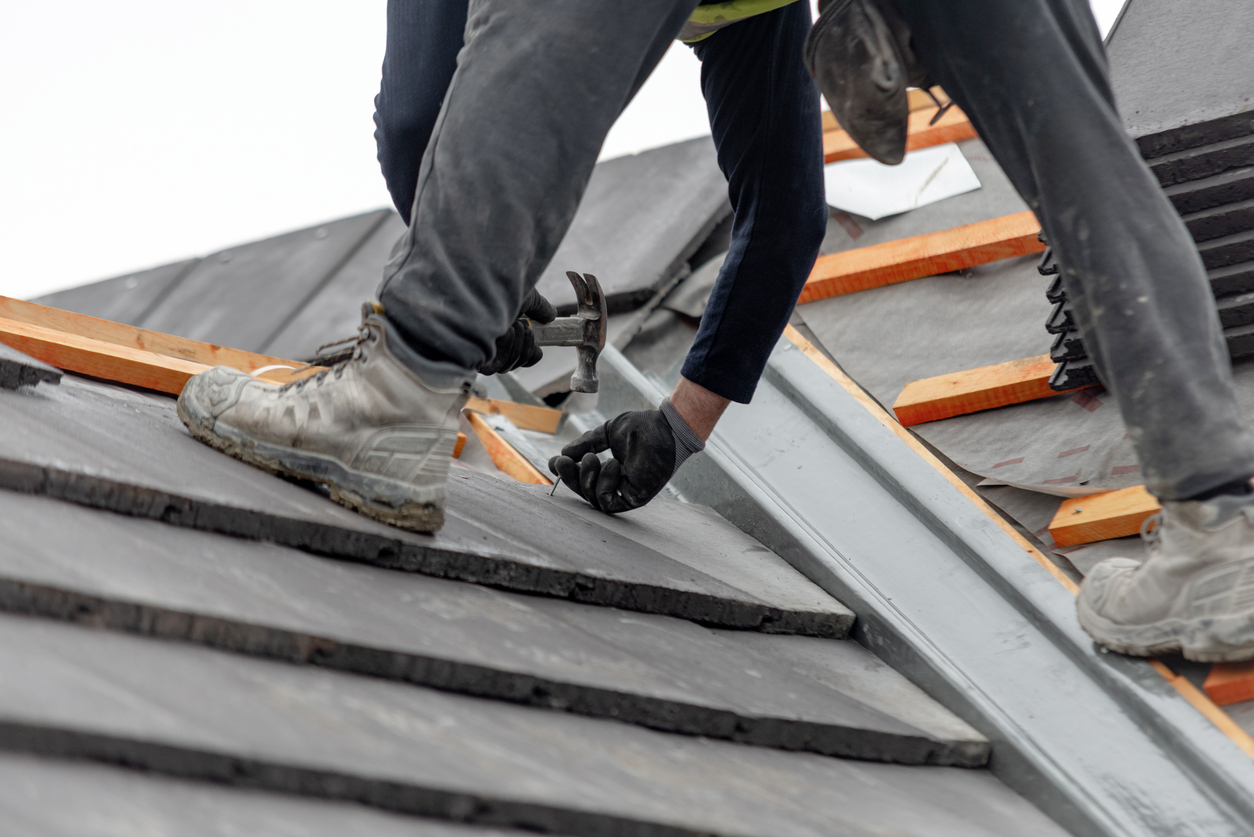
In the construction and access sectors, striking tools are among the most frequently used hand tools on site. Whether driving wedge pins into modular system rosettes or adjusting heavy-duty fittings on traditional tube-and-fitting frameworks, a scaffolder’s hammer experiences intense, repetitive physical stress.
Because a hammer is a non-powered hand tool, its potential hazards are all too often underestimated. However, using the wrong type of tool, failing to carry out daily visual checks, or stowing a hammer unsafely while climbing can lead to catastrophic consequences, ranging from severe hand lacerations to fatal dropped-object incidents.
By understanding the most common scaffold hammer mistakes, site managers and operatives can take proactive steps to eliminate equipment risks and maintain strict compliance with UK safety standards.
Selecting a hammer that is unsuited for industrial scaffolding work is one of the primary causes of mechanical tool failure on site.
Domestic carpenter hammers or timber-handled claw hammers are engineered for light wood construction, not industrial scaffolding builds.
Forcing components together with excessive or misdirected force on modular frameworks like Layher, Cuplok, or Kwikstage creates severe wear.
Even high-quality hand tools degrade under harsh weather and daily site abuse. Skipping pre-use checks allows compromised tools to remain in active service.
Mushrooming occurs when repeated metal-on-metal impacts cause the outer edges of the hammer head to flatten, curl over, and develop sharp steel burrs.
Rushing onto a scaffold lift without inspecting hand tools is a major compliance oversight.
British weather, coupled with site oil, mortar, and chemical contaminants, rapidly degrades synthetic tool grips.
Under the UK Work at Height Regulations 2005, preventing dropped objects is a strict legal requirement. How a hammer is carried and stowed while moving around a scaffold structure directly impacts site safety.
Sliding a hammer into a back pocket, wedging it into a transom tube, or resting it loosely on a scaffold platform while moving up ladders is extremely dangerous.
Working on high-level lifts without tethering hand tools is one of the most severe safety violations on a modern construction site.
Eliminating hand tool accidents begins with sourcing certified, heavy-duty equipment designed for professional site environments. At GR+ by George Roberts, we supply complete access and safety solutions across the UK:
Q: How can I safely handle a mushroomed hammer head?
A: If a hammer face develops burred or mushroomed edges, it should be removed from service immediately. Small burrs on high-grade tools can sometimes be dressed down carefully using a grinding wheel in the workshop while wearing full protective eye gear, but heavily deformed or cracked hammers must be scrapped and replaced.
Q: Are tool safety lanyards mandatory for hammers under UK regulations?
A: Under the Work at Height Regulations 2005, employers and site managers are legally required to prevent objects from falling. While the regulations do not mandate specific brand names, utilizing certified tool tether lanyards for heavy striking tools when working at height is considered standard industry best practice on compliant UK sites.
Q: Why is a dedicated leather tool frog better than a standard tool belt loop?
A: Heavy-duty leather tool frogs are specially shaped to fit the exact contours of scaffold hammers and spanners. They hold the tool snugly against the hip, preventing it from swinging erratically, bouncing out during movement, or catching on structural cross-bracing as workers climb through scaffold lifts.
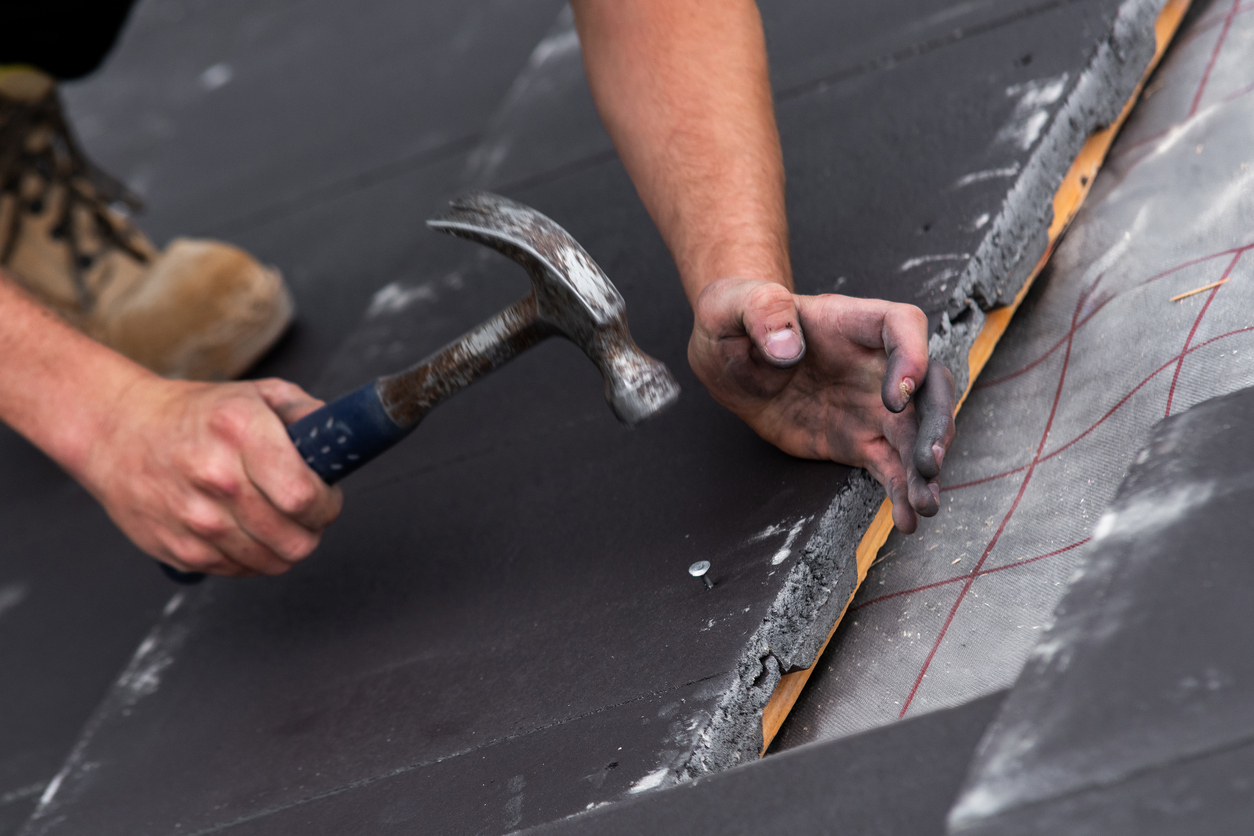
Why standard timber hammers fail on site and the specialised tools professionals rely on On any commercial construction ...
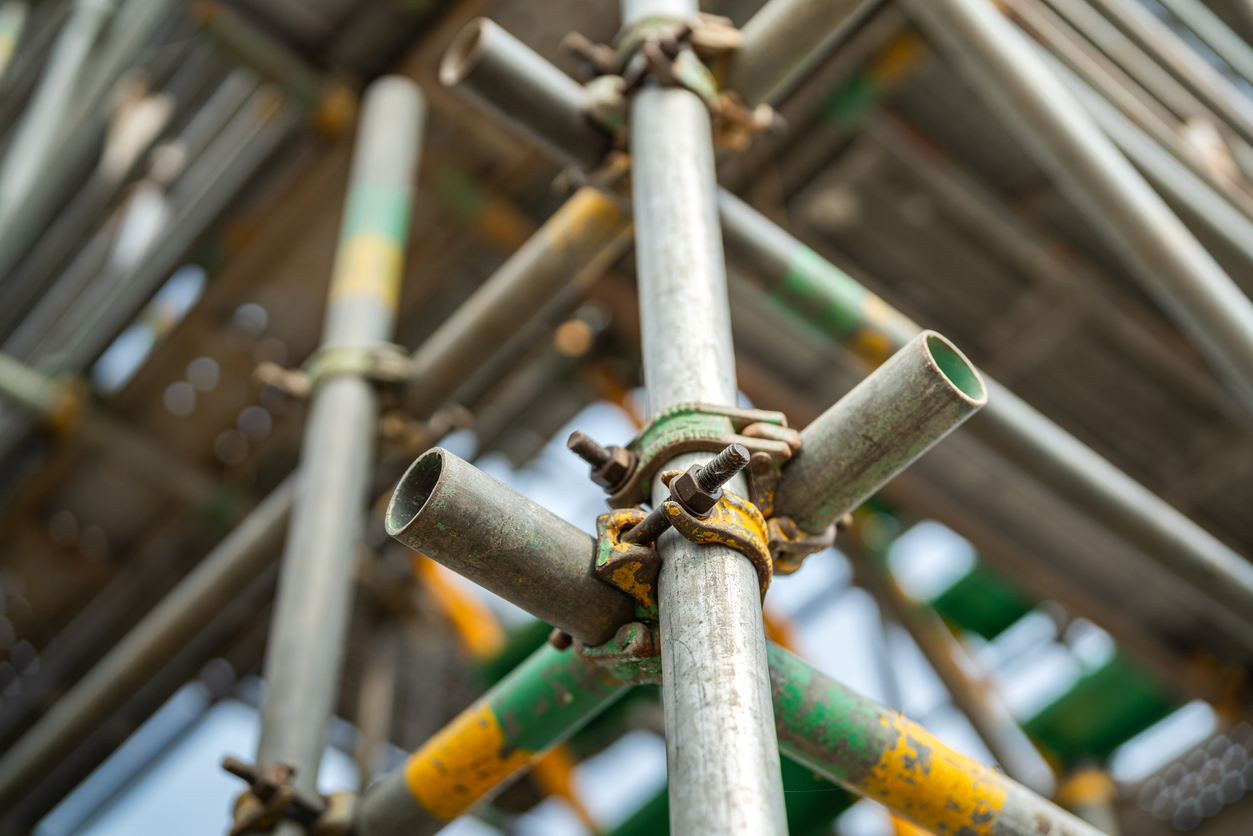
Sourcing high-quality steel or aluminium poles represents a substantial financial commitment for any construction or scaffolding firm. Whether ...
In the construction and engineering sectors, a scaffolding structure is frequently categorised by its scale or its overarching ...
Please select the List you wish to add to.