
Why Proper Fit Matters With Scaffold Belts
- Scaffolding
Please note we will be closed Friday the 30ᵗʰ of October for our annual Stock Take. We will reopen Monday 2nd of November.
We will still deliver on Friday 30ᵗʰ of October but our depot will be closed for Collections. We will not deliver Monday 2nd November but you will be able to collect.


Every safe scaffolding structure relies completely on the physical integrity of its individual components. While scaffold boards provide the secure working platform, scaffold tubes form the load-bearing skeleton that keeps the entire system standing.
Inspecting these poles before they are erected on site is a vital safety protocol. Neglecting pre-use checks can allow compromised materials into the framework, creating localized weak points that risk structural failure.
To maintain total compliance with UK safety standards, here is how to thoroughly inspect your scaffold tubes before they leave the yard or enter the build zone.
Scaffold poles must be perfectly straight to transfer structural loads efficiently down to the base plates. Even a minor bend can drastically reduce the weight capacity of a tube when it is placed under compression.
While modern steel poles feature a protective zinc layer, long term usage and outdoor exposure can compromise this barrier.
The ends of a scaffold pole take a substantial amount of abuse during assembly, dismantling, and transit.
Tubes frequently return from busy construction sites coated in various building materials.
To make the process straightforward for your yard and site teams, utilise these clear pass and fail thresholds during your pre-load checks.
To pass inspection, the tube must be perfectly straight along its entire linear length. It must be failed and rejected if there is any visible bowing, kinking, or structural distortion.
To pass inspection, the pole should feature a smooth metal or zinc layer, allowing for minor surface tarnish only. It must be failed and rejected if you detect flaking rust, deep pitting, or any visible reduction in the thickness of the tube wall.
To pass inspection, both ends must feature clean, square cuts that maintain a full circular profile. The tube must be failed and rejected if there are any splits, structural cracks, or mushrooming caused by heavy hammer impacts.
To pass inspection, the tube surface must be clear of major debris, grease, and excessive paint. It must be failed and rejected if it arrives covered in thick mortar, heavy concrete splatter, or plaster.
Prioritising site safety means sourcing equipment that satisfies rigorous quality control metrics. At GR+ by George Roberts, we supply fully certified components to ensure your builds remain completely secure:
Q: Can a bent scaffold tube be straightened and reused on a project?
A: No. Attempting to straighten a bent tube cold will weaken the molecular structure of the metal, making it brittle. Heating the tube to straighten it will alter its heat treatment and tensile strength. Once a tube is bent, it must be scrapped or safely cut down into shorter, perfectly straight sections.
Q: What specific manufacturing standards should UK scaffold tubes meet?
A: In the UK, traditional steel scaffold poles must comply with BS EN 39 or BS 1139 standards. These specifications ensure that the steel possesses the precise wall thickness, outside diameter, and high yield strength required to handle structural loading safely.
Q: Does concrete splatter really affect the safety of a scaffold tube?
A: Yes, for two main reasons. Firstly, heavy concrete build up prevents scaffolding couplers from achieving full surface contact, which means the fittings cannot grip the tube with the correct torque. Secondly, dried concrete can hide structural splits, deep corrosion, or cracks from view, making a reliable inspection impossible.
Q: How often should scaffold tubes be inspected once they are part of an active structure?
A: While pre-use inspection covers components before assembly, statutory UK regulations dictate that the completed scaffold structure must be inspected by a competent person at least once every 7 days. Additional inspections are mandatory following any severe weather events, structural alterations, or accidental vehicle impacts.
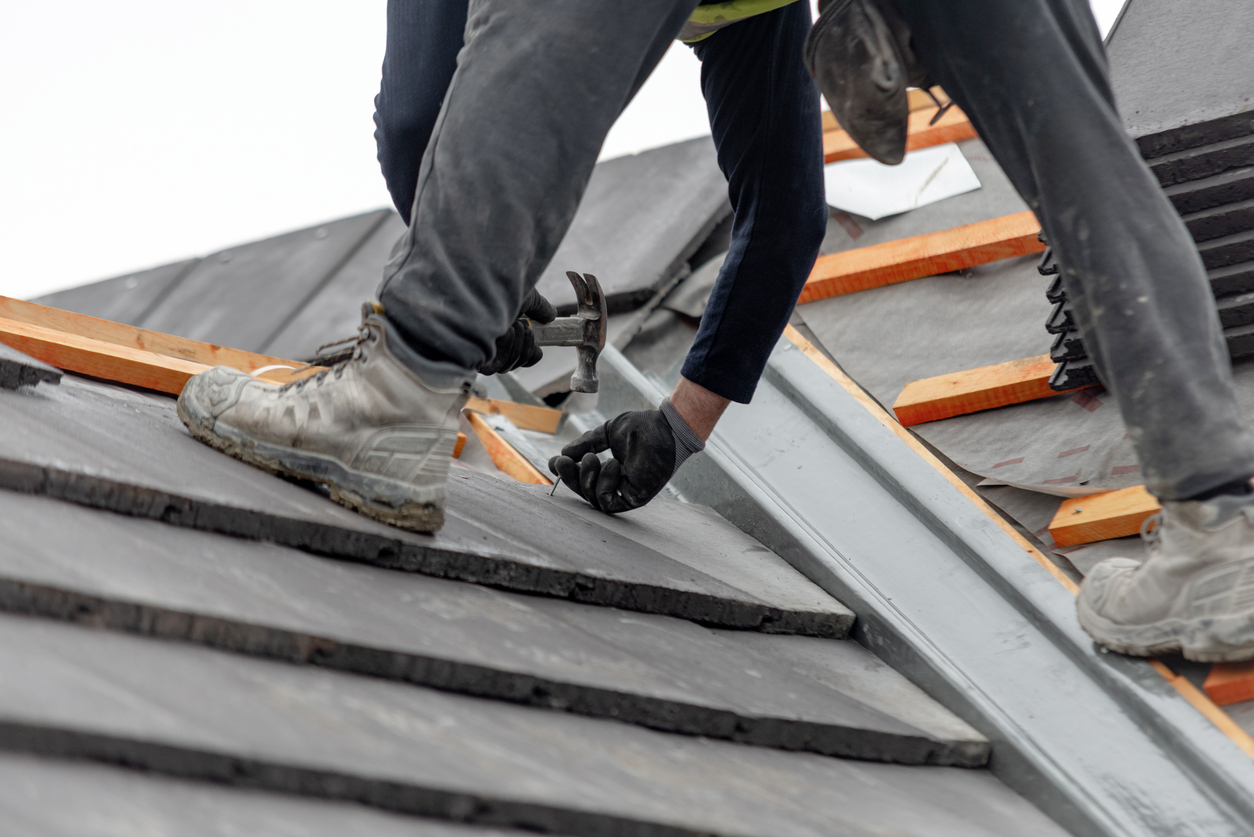
How improper tool selection, poor maintenance, and unsafe holstering create preventable site hazards In the construction and access ...
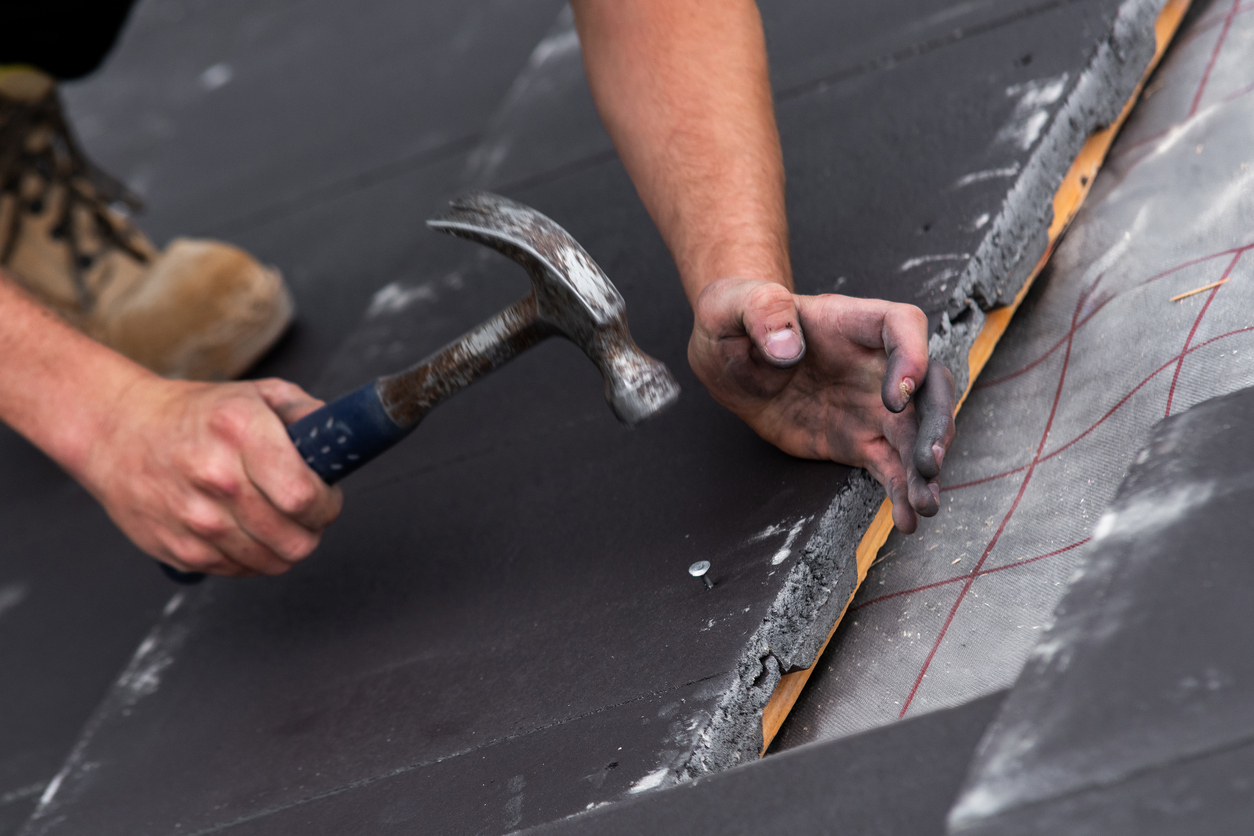
Why standard timber hammers fail on site and the specialised tools professionals rely on On any commercial construction ...
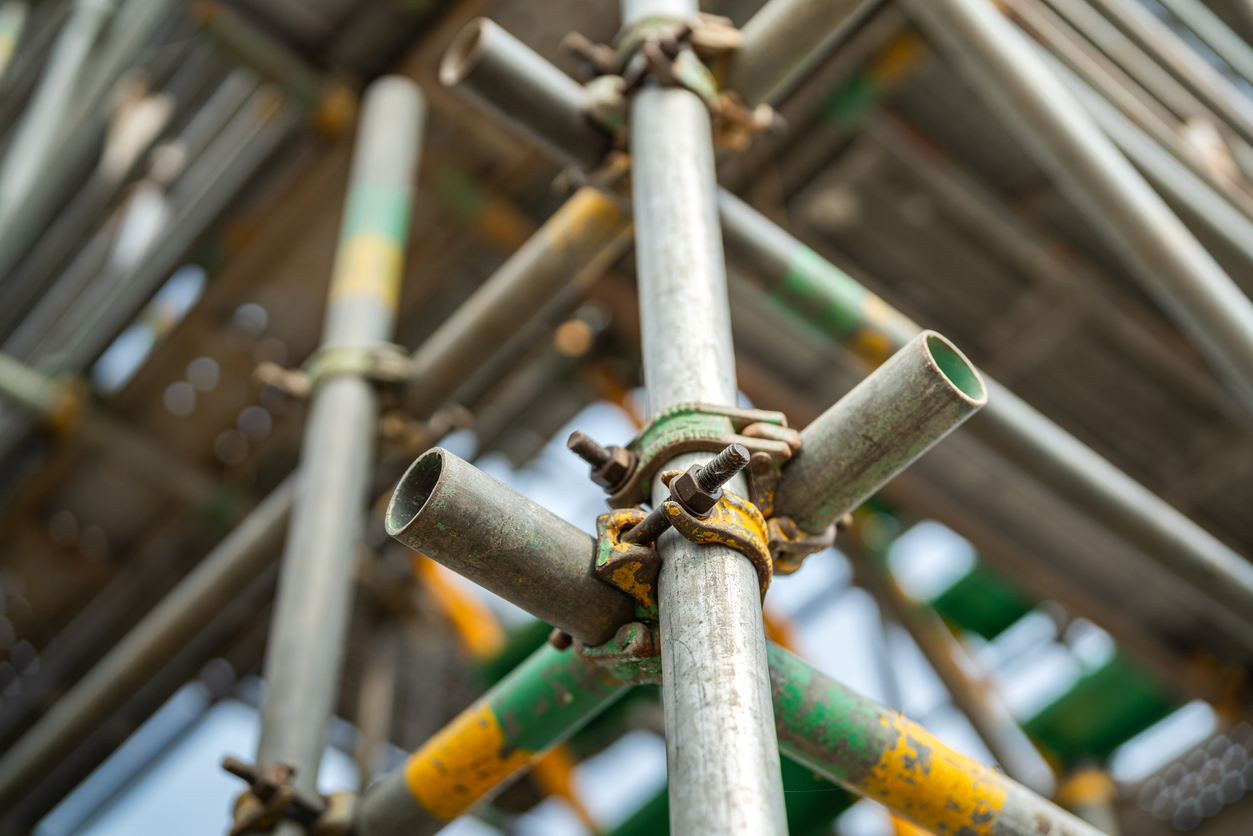
Sourcing high-quality steel or aluminium poles represents a substantial financial commitment for any construction or scaffolding firm. Whether ...
Please select the List you wish to add to.