What Is A Scaffold Frog And What Does It Hold?
- Kit Builder
- Scaffolding

While a leather scaffold frog is one of the simplest pieces of personal equipment on site, its role in daily operations is critical. Holding heavy spanners, spirit levels, and striking tools securely against an operative’s hip keeps hand tools instantly accessible while keeping hands free for safe climbing.
However, because holsters are frequently viewed as basic, passive accessories, many workers make simple setup, maintenance, and usage errors. Misusing a scaffold frog can cause chronic back discomfort, ruin expensive leather gear, or create severe dropped-object risks on high lifts.
To help maintain total site compliance and operative comfort, we break down the most common mistakes made when using scaffold frogs, along with simple solutions to avoid them.
One of the most frequent setup errors on site is sliding heavy-duty leather frogs onto thin, flexible trousers belts rather than a dedicated 2-inch leather scaffold belt.
How a frog is positioned around the waist directly impacts mobility and long-term ergonomic health throughout a long shift.
Leather is exceptionally durable, but daily exposure to rain, lime, and abrasive cement dust takes a heavy toll over time.
Attempting to use a frog for tools it was never designed to hold damages both the holster and the tool itself.
A common compliance misconception is assuming that a deep leather frog satisfies dropped-object regulations on its own.
Eliminating holster hazards begins with sourcing durable, site-ready accessories designed for professional construction environments. Explore our complete tool storage ranges:
Q: How can I tell if my leather scaffold frog needs to be replaced?
A: You should replace your scaffold frog immediately if you spot split stitching along the main seams, loose or missing rivets, deep cracking in the leather around the belt slots, or if the pocket has stretched so much that tools slide through without any friction resistance.
Q: What is the best way to clean concrete dust and moisture off a leather tool frog?
A: Wipe down the leather with a damp cloth to remove surface grit, mortar, and concrete dust after every shift. Allow the frog to dry naturally at room temperature away from direct heat sources. Once dry, apply a small amount of leather conditioner or saddle soap to keep the fibres supple and prevent dry rot.
Q: Do I still need a tool tether lanyard if my spanner fits tightly inside a deep swing frog?
A: Yes. Under UK Work at Height Regulations 2005, employers must take all necessary steps to prevent falling objects. While a deep frog keeps tools secure while walking or climbing, a tether lanyard ensures the tool remains anchored to your belt or harness if it slips out of your hand during active use.
Sourcing high-quality steel or aluminium poles represents a substantial financial commitment for any construction or scaffolding firm. Whether ...
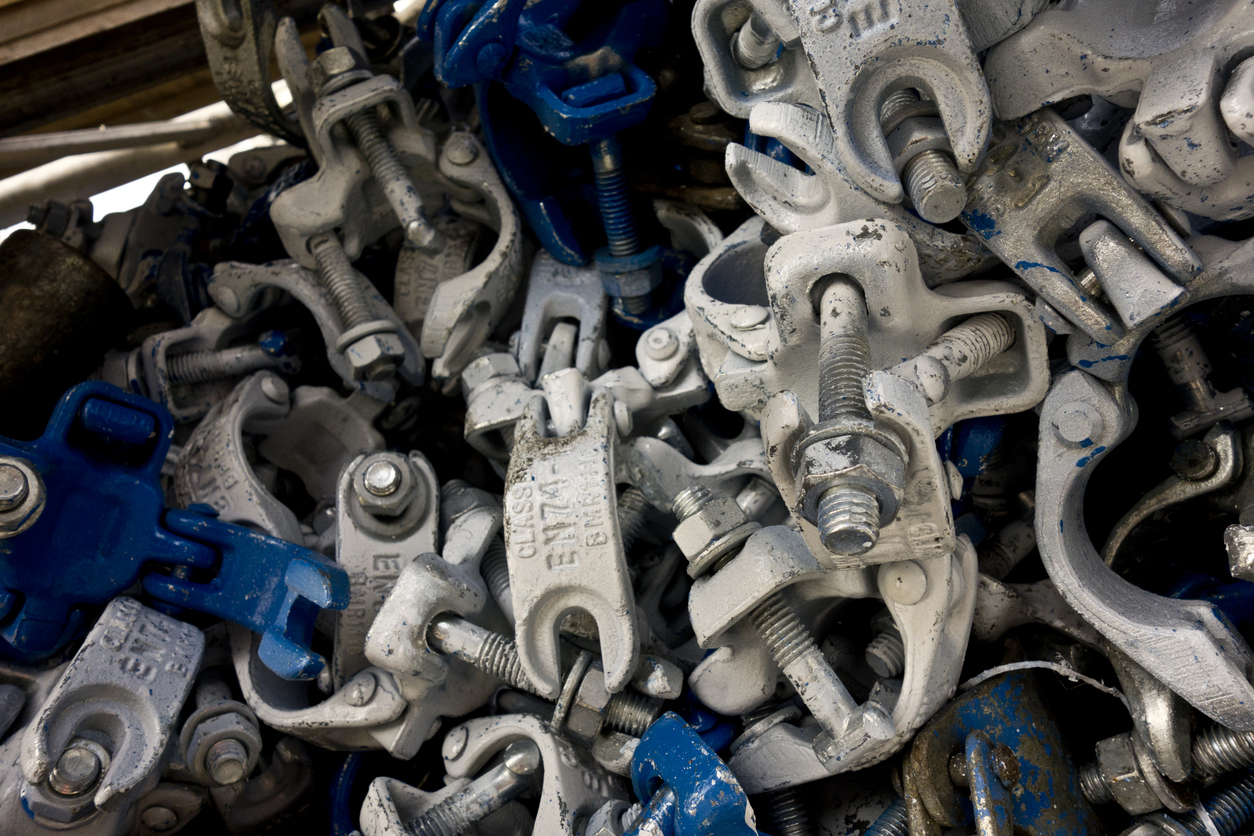
In the construction and engineering sectors, a scaffolding structure is frequently categorised by its scale or its overarching ...
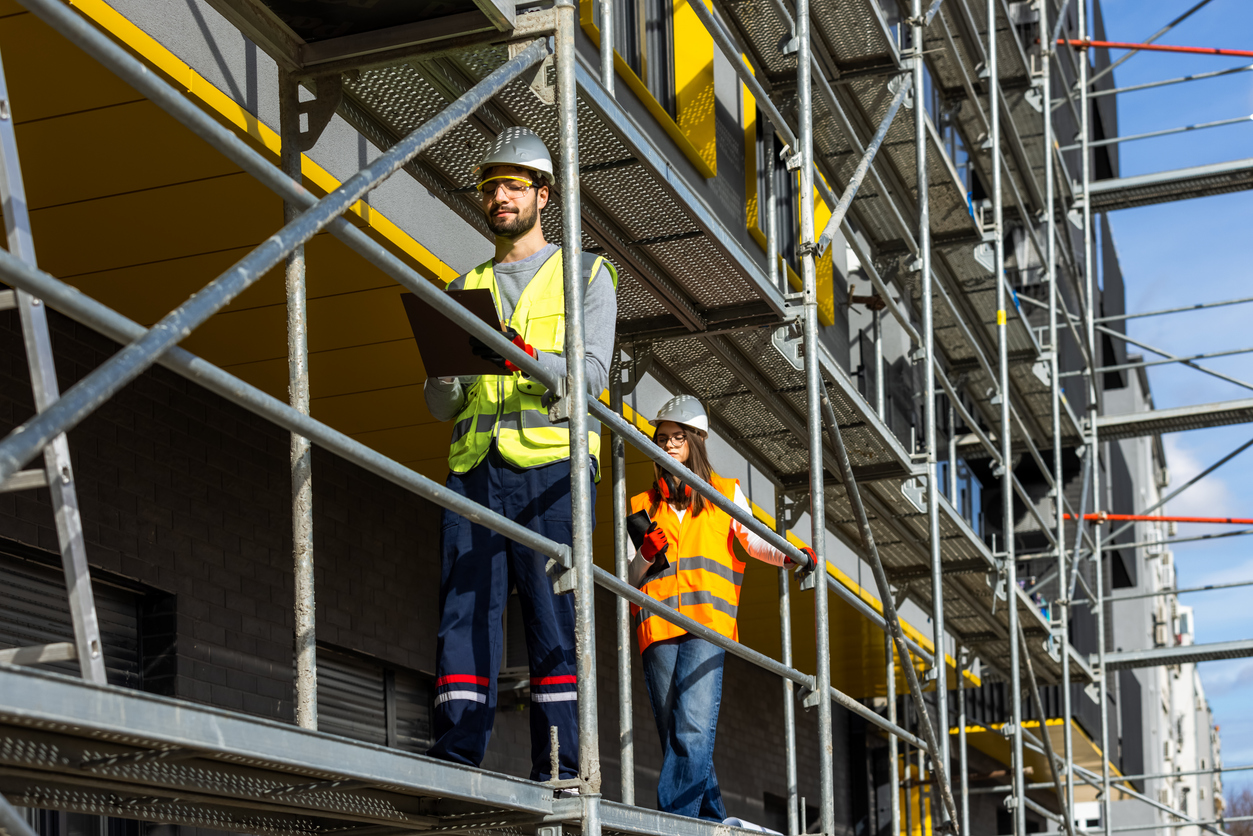
Every safe scaffolding structure relies completely on the physical integrity of its individual components. While scaffold boards provide ...
Please select the List you wish to add to.