
Why Proper Fit Matters With Scaffold Belts
- Scaffolding
Please note we will be closed Friday the 30ᵗʰ of October for our annual Stock Take. We will reopen Monday 2nd of November.
We will still deliver on Friday 30ᵗʰ of October but our depot will be closed for Collections. We will not deliver Monday 2nd November but you will be able to collect.

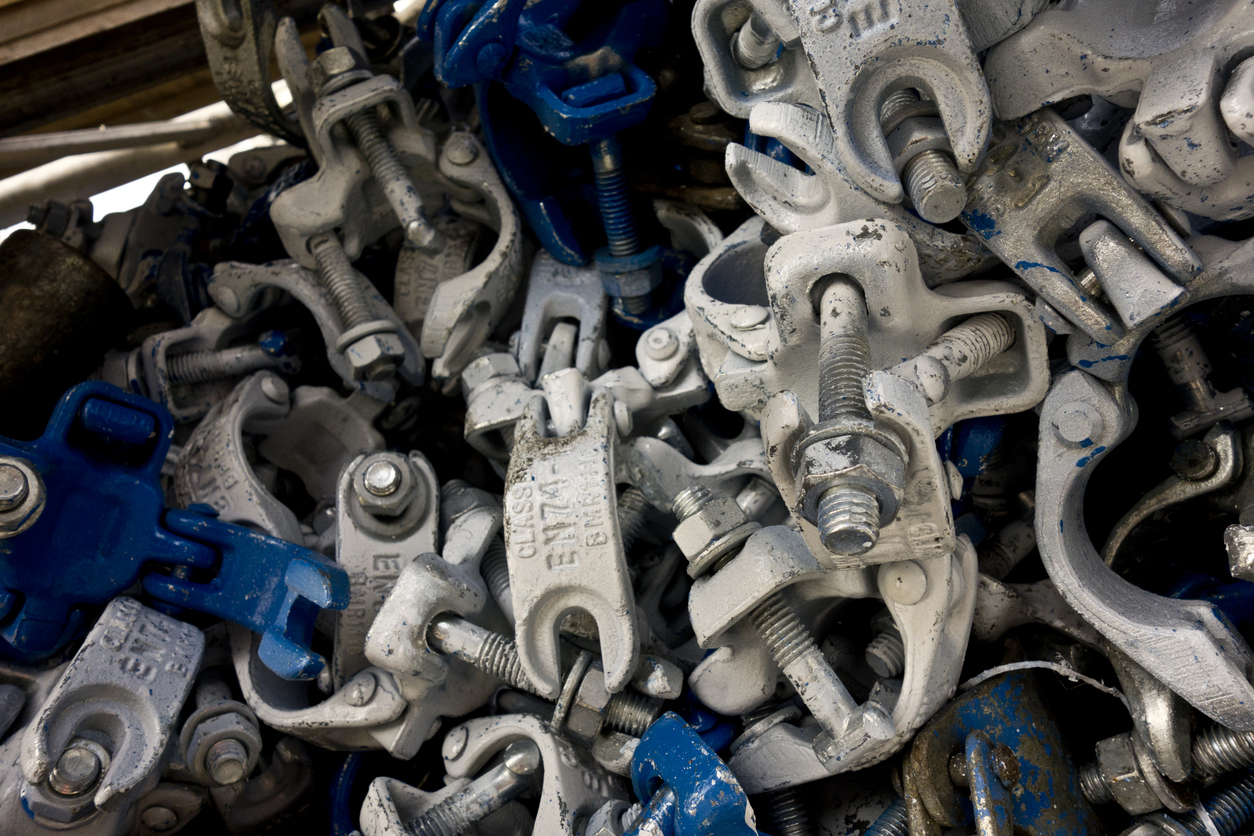
In the construction and engineering sectors, a scaffolding structure is frequently categorised by its scale or its overarching design. However, the true safety of any access platform relies entirely on the micro-level synergy of its three primary components: tubes, boards, and fixings.
When erecting a temporary framework, these components must never be treated as independent elements. They operate as a unified, load-sharing system where the failure of one part compromises the integrity of the whole. Understanding how these elements lock together is critical for keeping sites fully compliant with UK safety regulations.
Whether your next project demands large-scale scaffolding hire or an outright investment via scaffolding sales, prioritising this structural trinity is non-negotiable.
The skeleton of any traditional scaffolding build is formed from high-yield steel or lightweight aluminium poles. These tubes are engineered to handle immense compression and tensile forces, but they can only do so when arranged in a precise geometric grid.
To create a secure framework, tubes are utilised in three distinct positions:
If any of these tubes are warped, improperly spaced, or suffering from structural corrosion, the load-bearing capacity of the vertical standards is heavily reduced, increasing the risk of localised buckling.
If tubes form the skeleton, scaffold boards provide the skin. Usually manufactured from responsibly sourced timber or highly durable plastics, these boards create the solid walkway for operatives, tools, and heavy masonry materials.
The relationship between the boards and the underlying tubes is defined by strict physical intervals. Boards must rest evenly across the horizontal transoms. If the transoms are spaced too far apart, the boards will sag under load, creating a dangerous trip hazard and placing uneven stress on the metal framework.
Furthermore, correct positioning prevents the creation of trap ends. This occurs when a board overhangs a transom too far without support. If a worker steps on this unsupported edge, the board can flip up like a see-saw, resulting in falls from height or dropped materials.
The final, crucial piece of the anatomy is the fixing infrastructure. Without high-quality couplers, clamps, and clips, a scaffold would simply be a loose pile of stacked metal and wood. Fixings are the mechanical components that turn loose poles into a rigid structure.
Drop-forged or pressed-steel couplers utilise friction to lock intersecting tubes together. A right-angle coupler, for instance, provides the heavy-duty grip needed to prevent a horizontal ledger from sliding down a vertical standard under weight.
Simultaneously, specialised board retaining clips lock the timber planks firmly down onto the transoms. This prevents the boards from shifting laterally during use or being lifted by strong gusts of wind, which can easily destabilise workers.
Ultimately, safety at height is achieved when these three elements work in perfect harmony. The boards distribute worker weight smoothly across the transoms. The transoms transfer that weight through secure right-angle couplers into the ledgers and vertical standards, which safely redirect the load down to a stable foundation.
By sourcing fully certified components that meet strict British and European standards, you ensure that this mechanical chain remains unbreakable throughout the lifecycle of your project.
Q: Why cannot I use standard timber planks instead of certified scaffold boards? A: Standard construction timber is not graded or strength-tested for load-bearing access applications. Certified scaffold boards undergo rigorous structural grading, end-banding, and moisture control checks to guarantee they can support heavy site loads and resist splitting without warning.
Q: What is the difference between a right-angle coupler and a swivel coupler in this setup? A: A right-angle coupler is a load-bearing fitting designed strictly to join two tubes intersecting at exactly 90 degrees, making it vital for connecting standards, ledgers, and transoms. A swivel coupler allows two tubes to be joined at any angle, which is essential for diagonal bracing but should not be substituted for right-angle couplers on primary load joints.
Q: How do board retaining clips improve the overall stability of the scaffold? A: Board clips prevent horizontal movement and eliminate wind uplift. In high winds, unclipped boards can lift and shift, altering the load distribution across the transoms and leaving gaps in the platform that put workers at immense risk.
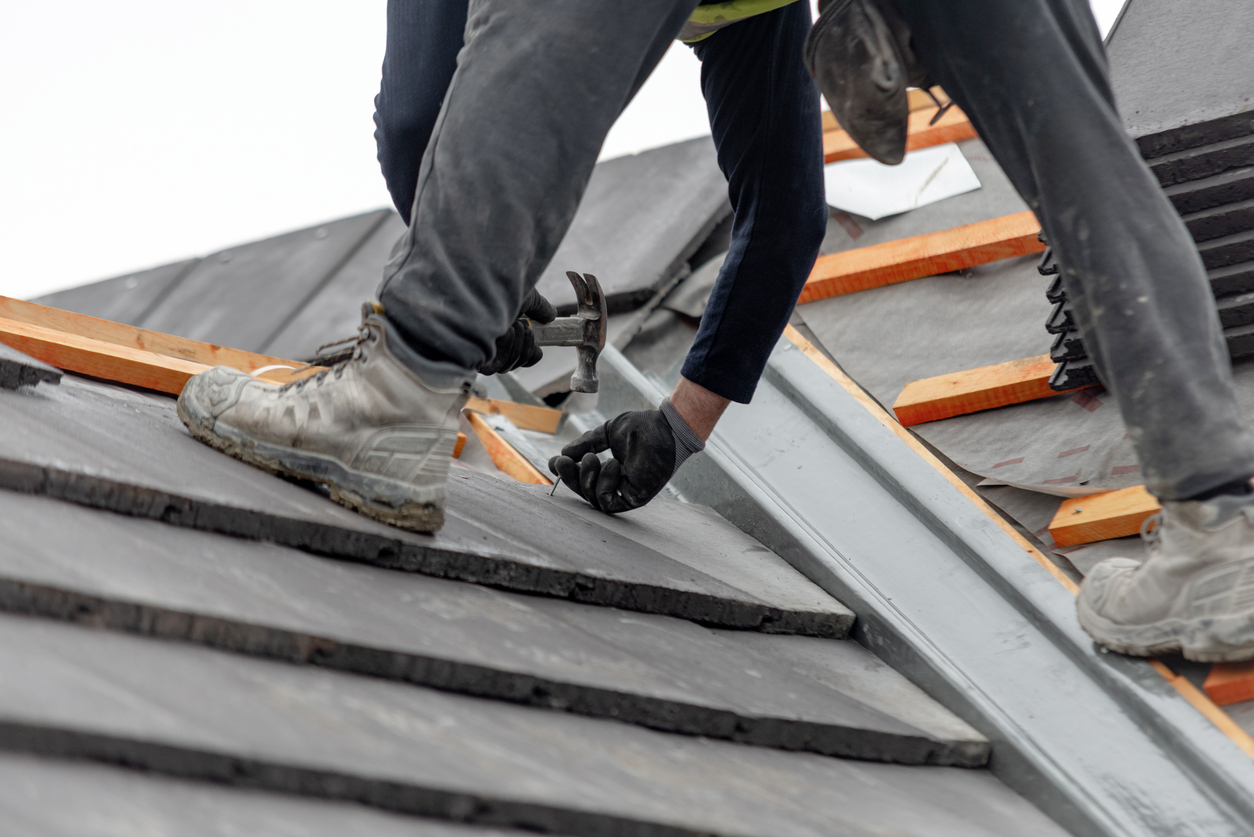
How improper tool selection, poor maintenance, and unsafe holstering create preventable site hazards In the construction and access ...
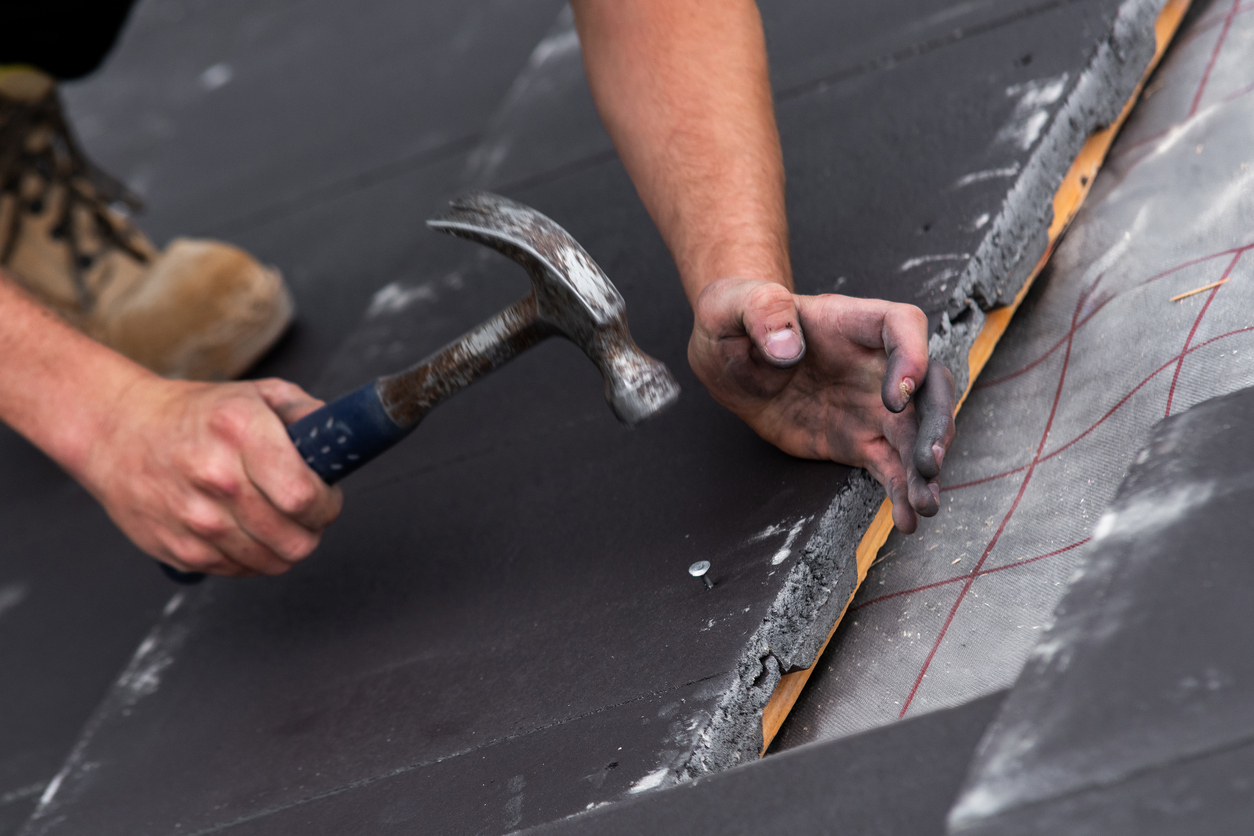
Why standard timber hammers fail on site and the specialised tools professionals rely on On any commercial construction ...
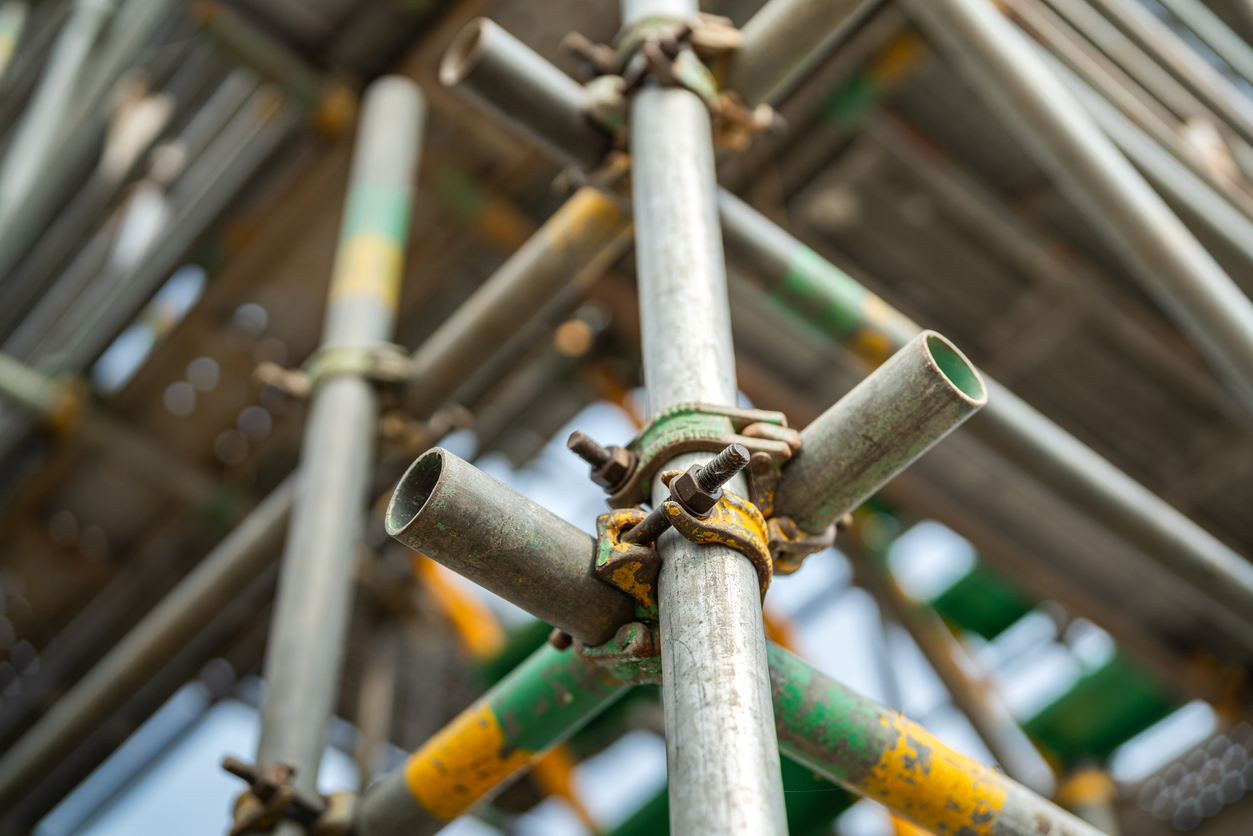
Sourcing high-quality steel or aluminium poles represents a substantial financial commitment for any construction or scaffolding firm. Whether ...
Please select the List you wish to add to.