Common Mistakes When Using Scaffold Frogs (And How To Avoid Them)
- Scaffolding
- Site Safety

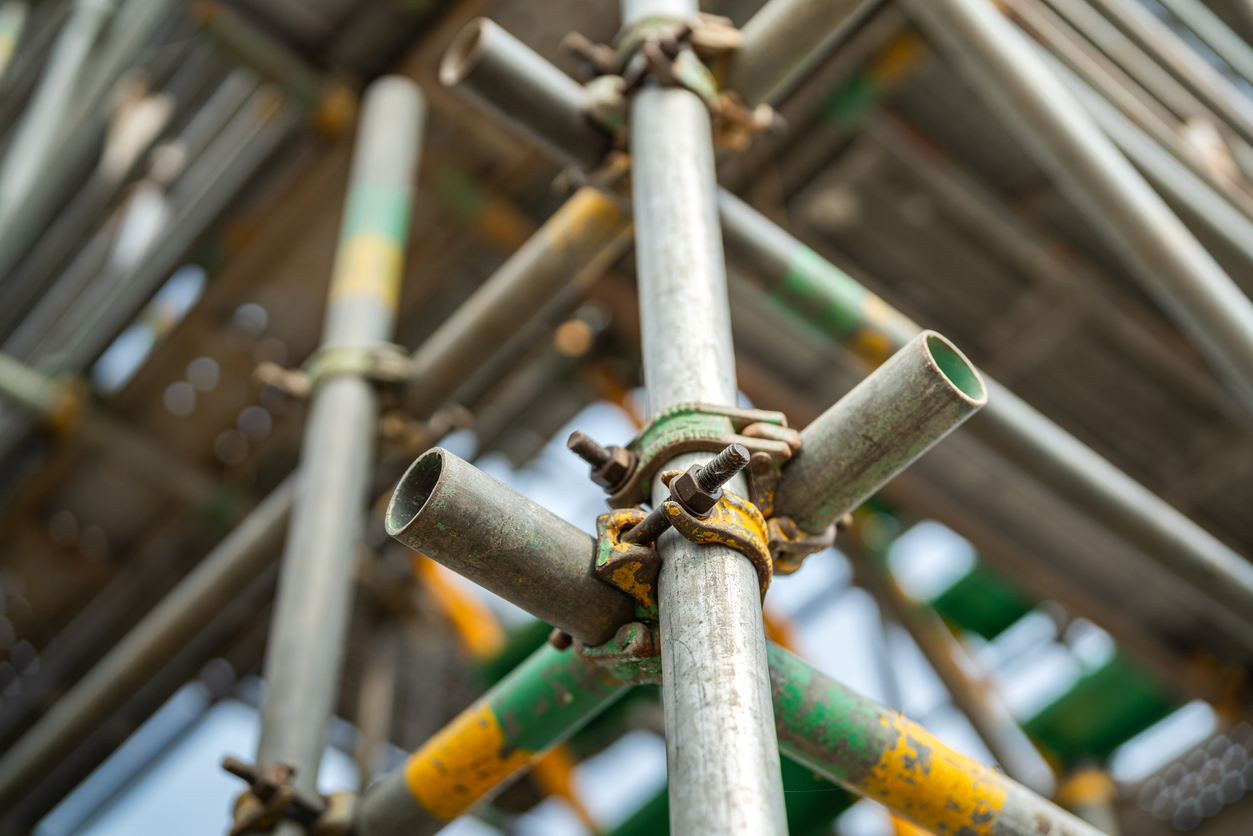
Sourcing high-quality steel or aluminium poles represents a substantial financial commitment for any construction or scaffolding firm. Whether you manage an inventory purchased through outright scaffolding sales or coordinate stock during a long-term scaffolding hire, maximising the service life of your equipment is vital.
Implementing a rigorous maintenance and care regime does more than just lower your operational replacement costs. It directly ensures that your inventory remains completely safe and compliant with UK building regulations over years of deployment.
Here are the industry best practices required to protect your scaffold tubes from premature degradation and wear.
Leaving scaffold tubes exposed to damp ground conditions is one of the fastest ways to accelerate structural degradation, even for hot-dip galvanised steel.
When poles are left in direct contact with wet soil or standing water, moisture becomes trapped against the metal surface, depleting the protective zinc layer.
To prevent this, you should adopt these storage rules in your yard:
A significant amount of damage to traditional scaffolding components occurs during the striking and transport phases rather than while the structure is actually standing.
Dropping tubes from height onto hard surfaces during dismantling causes structural deformation, splits, and mushroomed ends. These impacts alter the straightness of the pole, rendering it completely useless for future load-bearing applications.
Train your site operatives to handle materials with care, ensuring they never throw poles down to lower levels. When transporting stock across the UK, ensure loads are tightly strapped and secured using proper transport pins to eliminate metal-on-metal friction during transit.
Tubes frequently return from busy construction sites coated in concrete splatter, wet mortar, plaster, and chemical contaminants.
If these materials are allowed to dry and harden on the tube surface, they absorb moisture from the air, creating concentrated corrosion hotspots underneath the debris.
Furthermore, dried concrete build-up prevents scaffolding couplers from gripping the tube with the correct torque during the next build. Make it a mandatory protocol to scrape, wire-brush, or pressure-wash contaminated tubes as soon as they return to the yard before they are returned to storage.
Not every damaged tube needs to be completely scrapped. Developing a process for minor remedial work can salvage a large percentage of your inventory.
If a tube has suffered a split or mushroomed end due to hammer impacts, but the remaining length is perfectly straight and structurally sound, the damaged section can be cleanly cut off. This allows you to repurpose a damaged six-metre tube into a perfectly safe, certified three-metre or four-metre tube, drastically reducing material waste.
For steel tubes showing early signs of surface tarnish, applying a cold-galvanising zinc spray can restore the protective boundary layer and halt the spread of rust.
At George Roberts Ltd, we support major industrial, commercial, and civil engineering projects with fully certified access solutions. Protect your site compliance by partnering with us for your equipment needs:
Q: Does the grade of the steel impact how long a scaffold tube will last? A: Yes, absolutely. Tubes manufactured to strict BS EN 39 or BS 1139 standards utilise high-yield steel that features a specific wall thickness and hot-dip galvanisation. This commercial-grade zinc coating provides superior resistance against atmospheric corrosion compared to cheaper, non-certified alternatives, ensuring a much longer operational lifespan.
Q: How can I protect aluminium scaffold tubes from degrading in storage? A: While aluminium does not rust like steel, it can suffer from white rust or oxidation if it is stacked tightly while wet. When water is trapped between closely packed aluminium poles without airflow, it stains and corrodes the metal surface. Always ensure aluminium tubes are completely dry before bundling them tightly for long-term storage.
Q: Is it safe to paint scaffold tubes to protect them from the weather? A: While thin bands of paint are frequently utilised for identification or ownership marking, completely painting or coating a structural scaffold tube is highly discouraged. Thick layers of paint can easily hide structural cracks, deep corrosion pitting, or splits from view, making it impossible for your competent person to complete a reliable safety inspection.
Why standard timber hammers fail on site and the specialised tools professionals rely on On any commercial construction ...
In the construction and engineering sectors, a scaffolding structure is frequently categorised by its scale or its overarching ...
Every safe scaffolding structure relies completely on the physical integrity of its individual components. While scaffold boards provide ...
Please select the List you wish to add to.