What Is A Scaffold Frog And What Does It Hold?
- Kit Builder
- Scaffolding

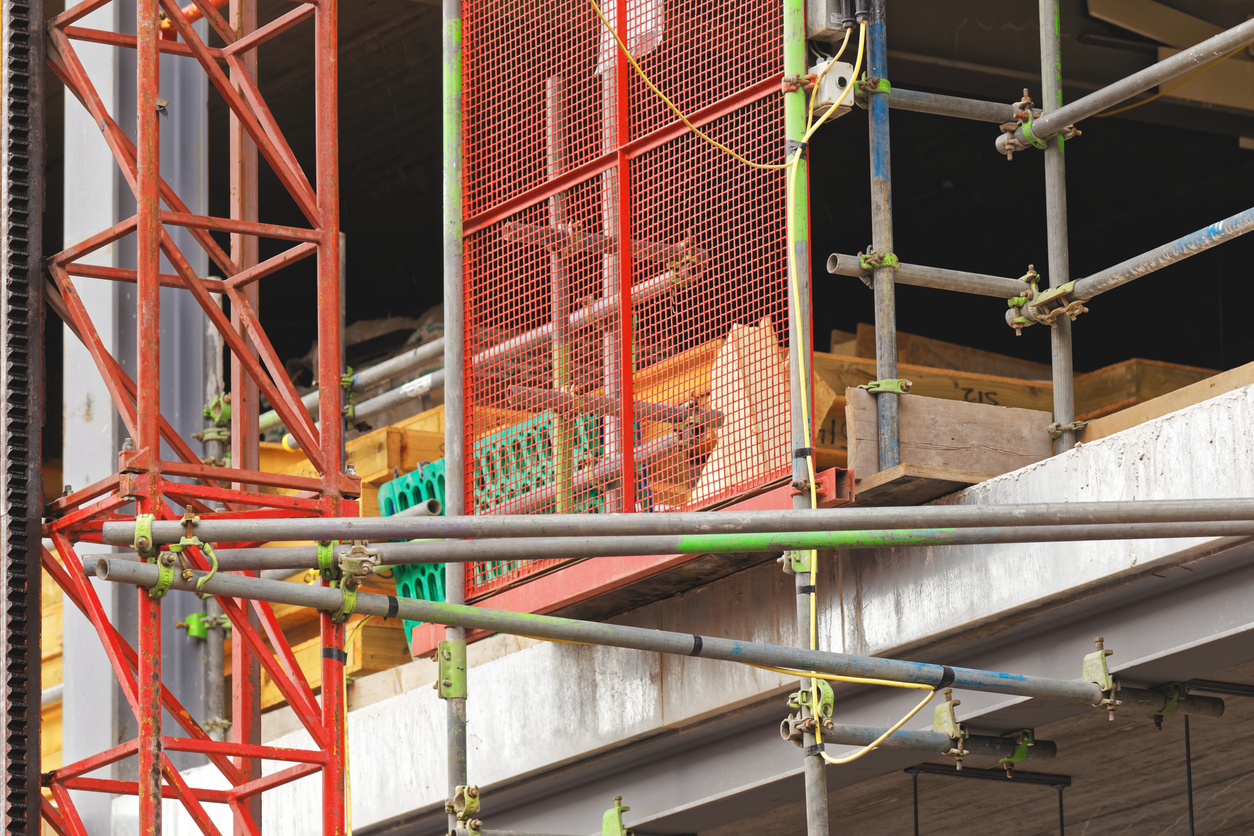
In the scaffolding industry, safety is built on the details. While heavy-duty scaffold tubes and durable scaffold boards form the visible framework of a structure, it is the smaller fixings; the ties, anchors, couplers, and bolts – that bear the physical stress of keeping the system rigidly attached to the building.
Because these components work under constant tension, shear, and environmental exposure, they naturally degrade over time. Knowing exactly when to retire and replace your scaffold fixings is crucial to ensure a safe working environment.
Here is a comprehensive guide to identifying when your scaffold fixings have reached the end of their service life and need immediate replacement.
The physical stress of installation, striking, and load-bearing can alter the structural geometry of a fixing.
Given the unpredictable British weather, scaffold equipment is regularly exposed to moisture, rain, and fluctuating temperatures. While a small amount of surface discolouration is common, structural corrosion is a different matter entirely.
A common misconception on-site is that all solid steel fixings can be reused indefinitely across multiple projects.
Under UK guidelines (specifically NASC TG4), a mandatory percentage of scaffold ties must undergo preliminary pull-out testing on-site to verify that the substrate and fixing configuration can handle the design load.
Sometimes, a fixing must be replaced regardless of how long it has been in service due to unforeseen site accidents.
Prioritising site safety means never compromising on the components that hold your framework together. Upgrade your inventory with our industry-approved product lines:
Q: How can I tell if a reusable screwbolt is safe to use on a new project? A: Multi-use concrete anchors, such as Excalibur Screwbolts, should be checked using a specific thread-wear gauge supplied by the manufacturer. If the leading threads pass easily through the gauge, it indicates the thread profile has worn down too much to bite securely into the masonry, and the bolt must be replaced.
Q: Can a rusty scaffold coupler or tie ever be cleaned and re-used? A: If the rust is purely superficial discolouration, it can often be cleaned off. However, if the rust has caused pitting (small craters in the metal), flaking, or has thinned the metal profile, the structural integrity is compromised. In these cases, cleaning will not restore its strength, and the fixing must be scrapped.
Q: What is the standard inspection interval for scaffold fixings in the UK? A: In accordance with Work at Height Regulations, all scaffolding structures and their fixings must be inspected by a competent person at least once every 7 days. They must also be inspected immediately following any adverse weather conditions, alterations, or accidental impacts that could affect structural stability.
Q: Should I automatically replace fixings after a heavy storm? A: Not necessarily automatically, but they must be thoroughly inspected. High winds cause a “sail effect” if you are using debris netting or sheeting, which puts immense fatigue on the ties. A rigorous post-storm inspection will determine if any fixings have shifted, loosened, or suffered distortion, requiring immediate replacement.
Sourcing high-quality steel or aluminium poles represents a substantial financial commitment for any construction or scaffolding firm. Whether ...
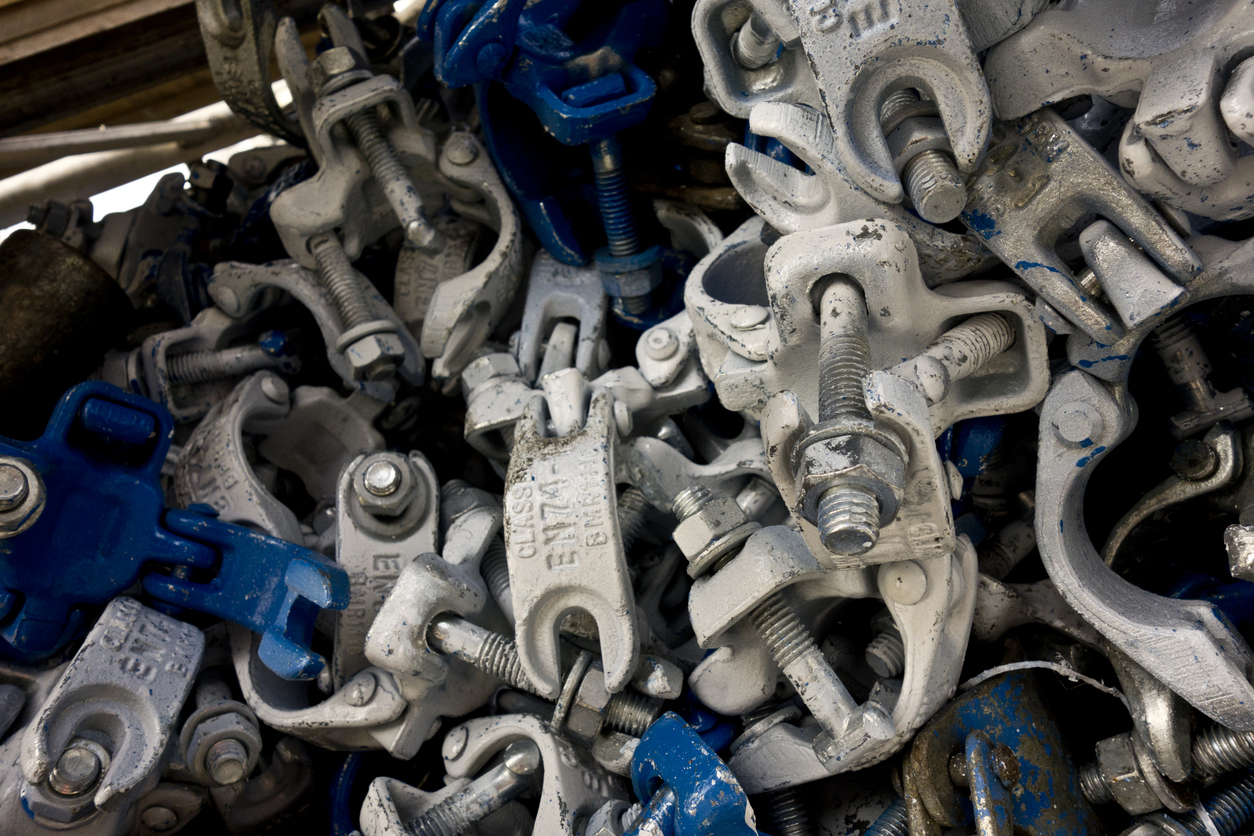
In the construction and engineering sectors, a scaffolding structure is frequently categorised by its scale or its overarching ...
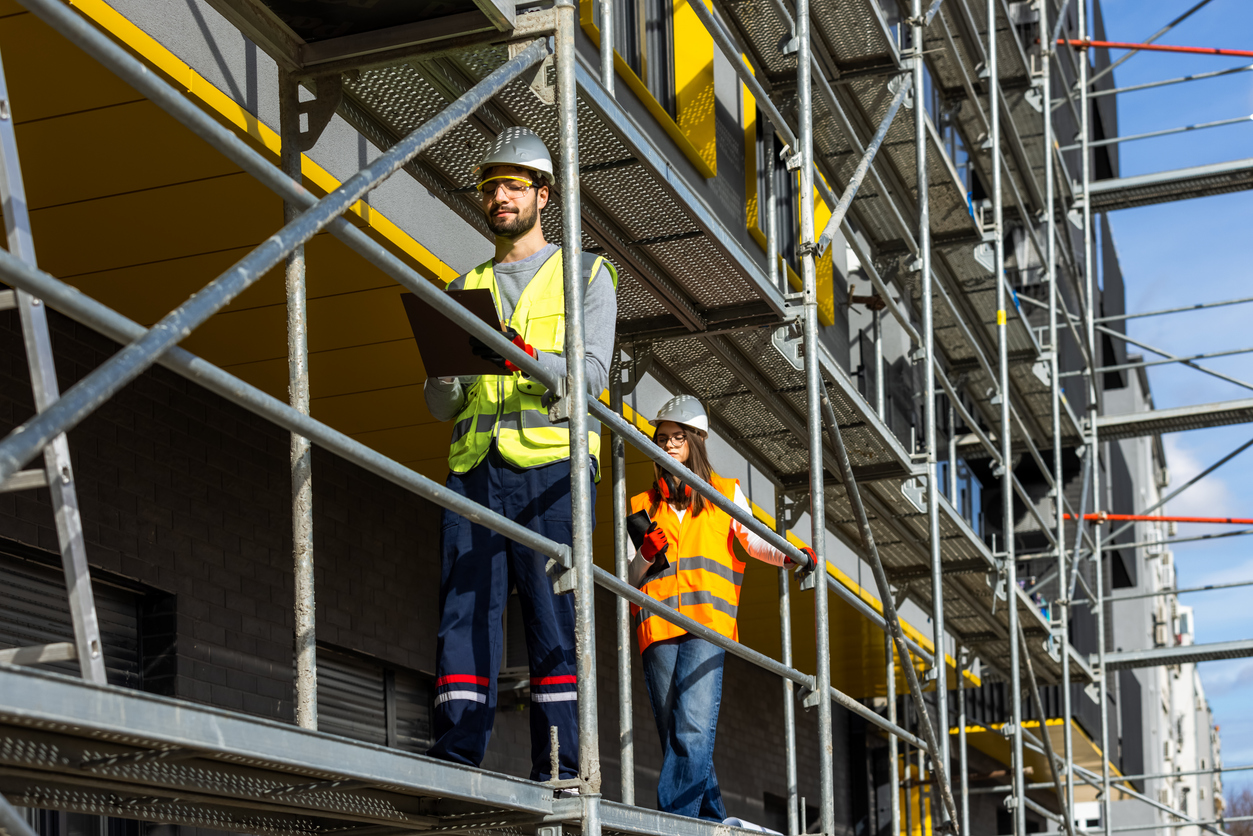
Every safe scaffolding structure relies completely on the physical integrity of its individual components. While scaffold boards provide ...
Please select the List you wish to add to.