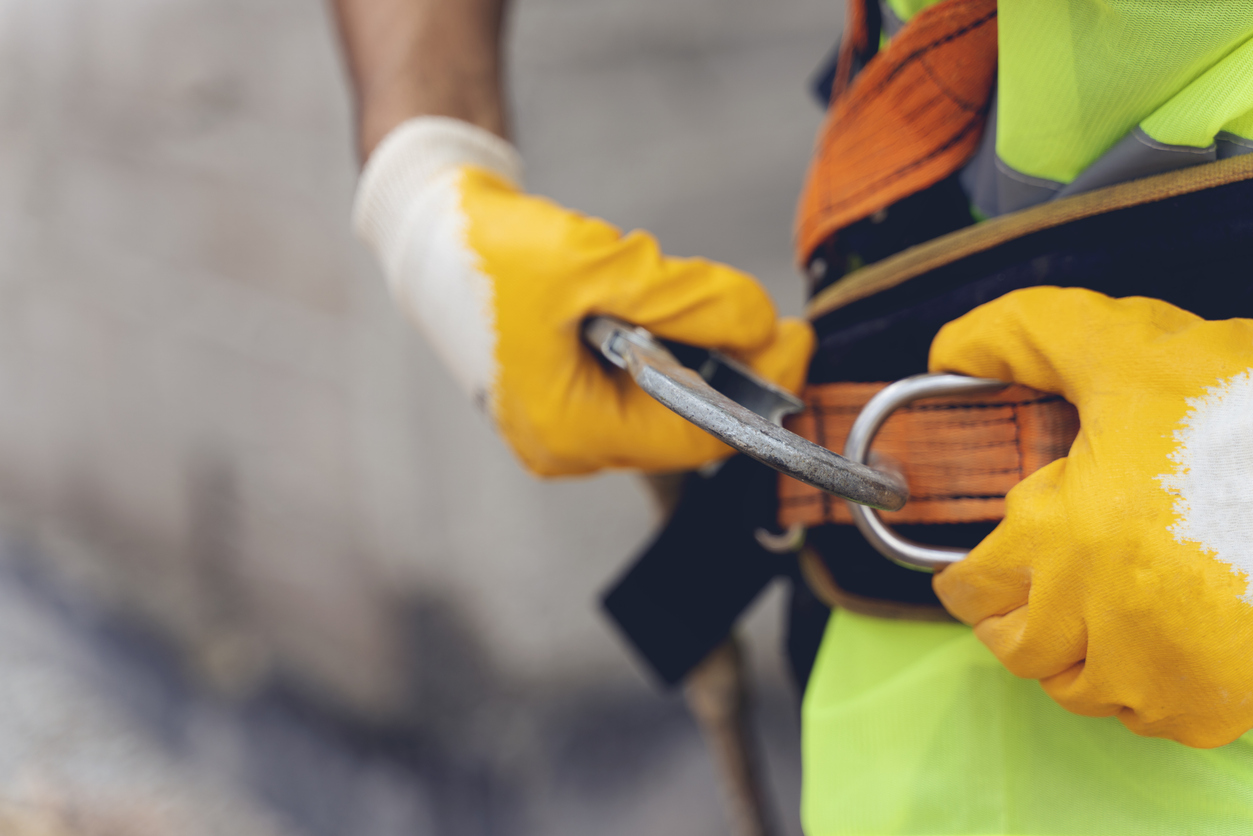
Why Proper Fit Matters With Scaffold Belts
- Scaffolding
Please note we will be closed Friday the 30ᵗʰ of October for our annual Stock Take. We will reopen Monday 2nd of November.
We will still deliver on Friday 30ᵗʰ of October but our depot will be closed for Collections. We will not deliver Monday 2nd November but you will be able to collect.

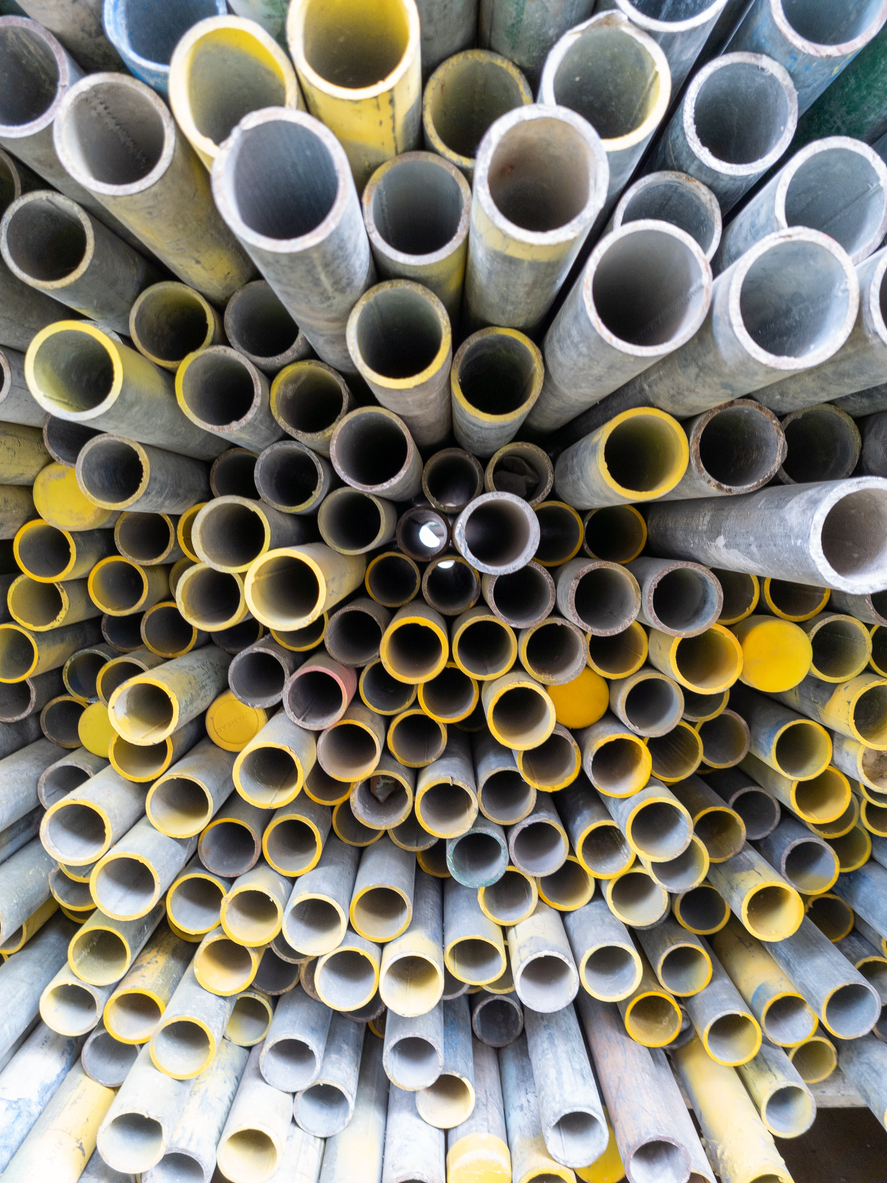
When assembling a traditional tube-and-fitting scaffolding structure, every single component counts towards the ultimate safety and efficiency of the build. While selectors spend plenty of time assessing options for scaffold boards and safety netting, one of the most foundational decisions happens right at the start: choosing between steel and aluminium scaffold tubes.
Both materials are widely utilised across UK construction sites, yet they offer entirely distinct physical properties, load capacities, and financial advantages. Choosing the wrong tube for a specific environment can lead to costly delays or structural non-compliance.
To help you choose the best fit for your next build, we look at the core differences between steel and aluminium scaffold poles.
For decades, hot-dip galvanised steel has been the undisputed industry standard for heavy-duty access platforms.
High-yield steel tubes are built to withstand immense structural forces. Whether you are dealing with dead loads (the weight of the structure itself) or heavy live loads (teams of workers carrying substantial brickwork or machinery), steel offers the rigidity required to prevent buckling. It is the only choice for complex, multi-lift facades and high-rise construction developments.
Modern steel poles are manufactured to rigorous European standards, such as EN39, and feature a robust zinc coating. This hot-dip galvanisation ensures that the underlying metal remains fully protected against the elements, preventing internal and external rusting even during long-term deployment on exposed, wind-swept jobsites.
Explore our full inventory of high-capacity scaffold tubes to secure the right grade for your structural builds.
While steel wins on sheer strength, aluminium is the premier choice when weight, transport efficiency, and manual handling are the primary concerns.
Aluminium tubes weigh roughly 1.65kg per metre, which is approximately one third of the weight of standard steel equivalents. This dramatic reduction in physical mass yields substantial site benefits:
Aluminium naturally forms a protective oxide layer when exposed to air. This makes it highly resilient against moisture and exceptionally stable in highly saline or coastal atmospheres, such as offshore rigs or maritime docks, where raw steel would rapidly deteriorate.
To help simplify your procurement decisions, we can contrast how these two materials perform across key operational criteria.
Galvanised steel tubes are a substantial option, weighing approximately 3.5kg to 4.4kg per metre. In contrast, aluminium tubes are exceptionally light, coming in at approximately 1.65kg per metre. This means aluminium alternatives are roughly one third of the weight of steel.
Steel delivers an extremely high load capacity, making it the required option for heavy structural support and high-load frameworks. Aluminium offers a moderate structural capacity, which is perfectly suited for light to medium use, but less suited for supporting heavy brickwork or heavy machinery.
Due to its rigidity, steel is best utilised for high-rise facades, heavy industrial builds, and complex multi-lift scaffolds. Aluminium excels in low-level or internal environments, such as ceiling access, mobile towers, and lightweight pedestrian handrails.
Steel relies on a heavy-duty hot-dip galvanised zinc coating to shield the underlying metal from moisture. Aluminium naturally creates its own protective oxide layer upon exposure to air, offering intrinsic resistance to harsh environmental conditions.
Steel remains highly rigid under pressure with minimal deflection, ensuring the scaffold remains stiff under load. Aluminium possesses a higher level of natural elasticity, meaning it exhibits more visible flex when subjected to heavy weight.
If your project demands a tall scaffold framework with multiple working platforms, steel is non-negotiable. Its rigidity ensures minimal sway at extreme heights. However, for internal fit-outs, ceiling access, or low-level maintenance towers, aluminium provides more than enough structural stability without putting unnecessary dead weight on the building’s interior floors.
When erecting scaffolding in busy public areas or tight internal spaces, dropping a heavy steel tube carries a high risk of property damage or severe injury. Lighter aluminium poles are much easier to control in restricted environments. They are also incredibly popular for creating clean, professional structural frameworks like pedestrian barriers using specialised key clamps.
Galvanised steel components represent a highly durable, long-term capital investment due to their sheer physical resilience against accidental site damage. Aluminium, while offering immediate savings on labour and transport, can be more prone to bending if struck heavily by site machinery.
At GR+ by George Roberts, we supply premium equipment to meet the highest safety standards across the UK. Whether your project demands the high-yield strength of traditional steel or the lightweight efficiency of alloy poles, we have you covered:
A: As a general rule, mixing different metal types within the load-bearing framework of a single scaffold bay is highly discouraged. Steel and aluminium have completely different deflection rates, weights, and structural strengths, which means mixing them can cause highly unpredictable load distribution and compromise site safety.
A: Yes, standard aluminium scaffold poles are manufactured with an outside diameter of 48.3mm, matching traditional steel tubes perfectly. This means they are fully compatible with standard drop-forged and pressed-steel fittings, though care should be taken to avoid over-tightening couplers onto the softer aluminium surface.
A: Aluminium is highly favoured in coastal, marine, and offshore environments due to its exceptional natural resistance to saltwater corrosion. While galvanised steel is also highly durable, the saline atmosphere can degrade the zinc layer over time, requiring more frequent monitoring and replacement compared to aluminium.
A: Yes, aluminium has a lower ultimate tensile strength and load-bearing capacity than high-yield steel. While it complies fully with relevant safety standards (such as BS 1139) for access and light duty work, it should not be utilised for heavy masonry storage or heavy-duty shoring applications without specific engineering design approval.
How improper tool selection, poor maintenance, and unsafe holstering create preventable site hazards In the construction and access ...
Why standard timber hammers fail on site and the specialised tools professionals rely on On any commercial construction ...
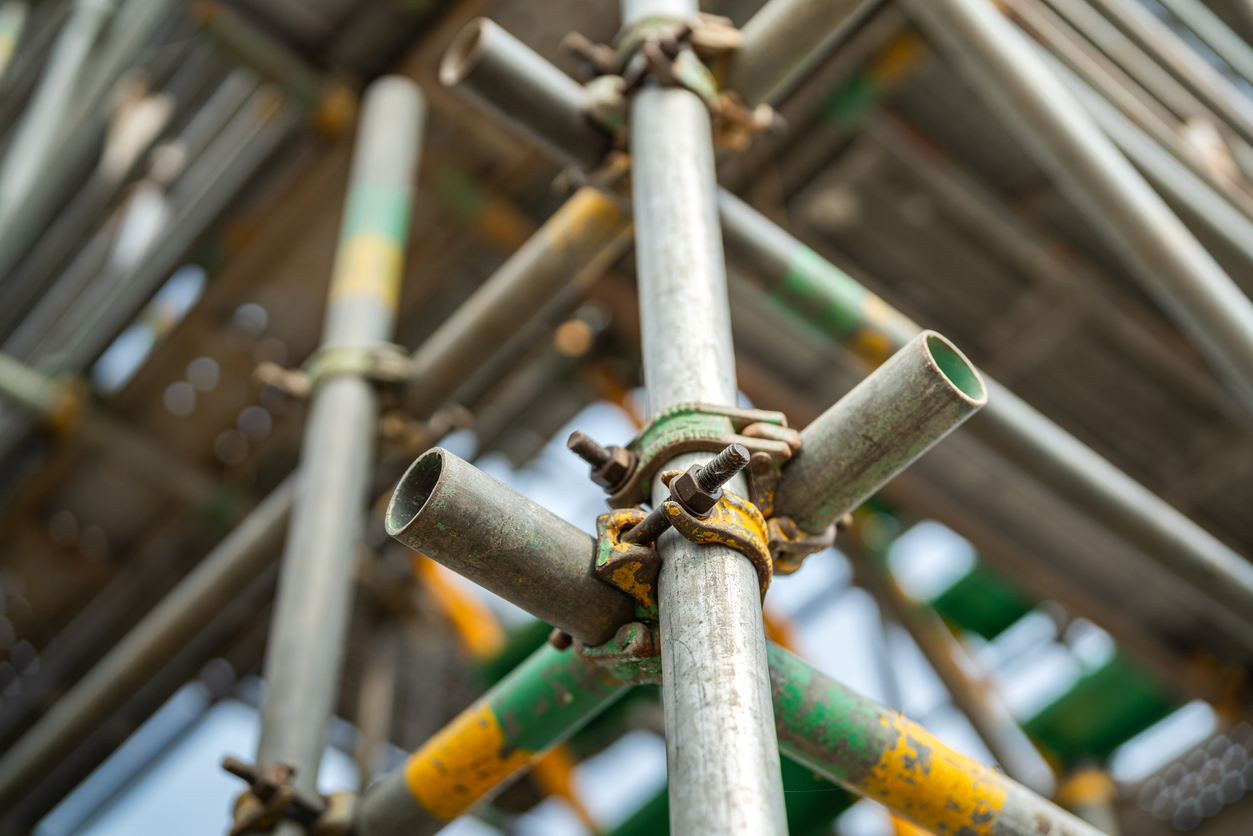
Sourcing high-quality steel or aluminium poles represents a substantial financial commitment for any construction or scaffolding firm. Whether ...
Please select the List you wish to add to.