What Kind Of Hammers Do Scaffolders Use?
- Scaffolding
- General
Please note we will be closed Friday the 30ᵗʰ of October for our annual Stock Take. We will reopen Monday 2nd of November.
We will still deliver on Friday 30ᵗʰ of October but our depot will be closed for Collections. We will not deliver Monday 2nd November but you will be able to collect.

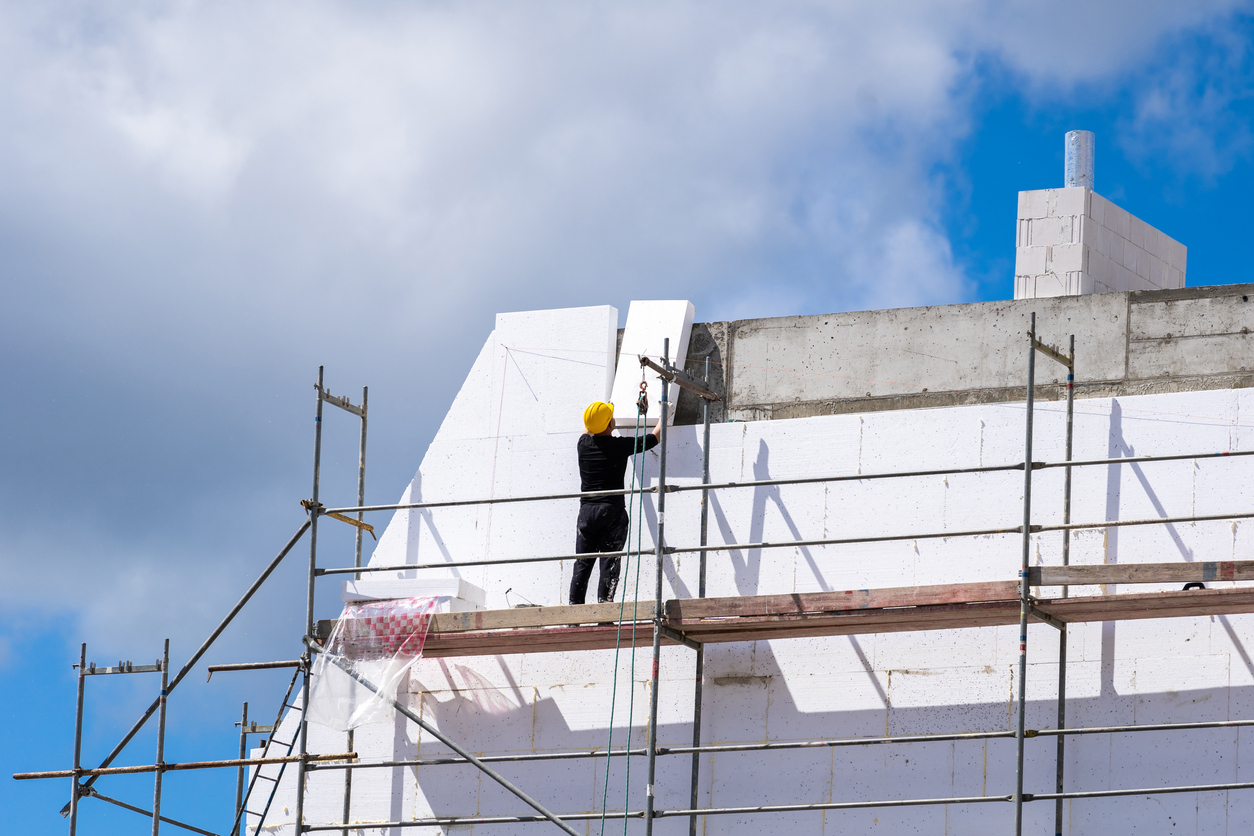
If you have spent any amount of time around a construction site, you have likely heard the term “putlog” shouted across the scaffolding. It is one of the more unusual names in the construction dictionary. In our previous guide comparing single and double couplers, we established the golden rule of scaffold erection: double couplers build the weight-bearing frame, while single couplers support the walking boards.
But what exactly is a putlog coupler, why does it have such a highly specific name, and how did its unique design come to be?
Before we dive into the fascinating history and modern application of this vital component, let’s clear up a few of the most frequently asked questions we receive about them.
Are a single coupler, a half-lap, and a putlog coupler the exact same thing? Yes. Construction is an industry full of regional slang and interchangeable terminology. Whether your site foreman asks for a single, a half-lap, or a putlog, they are all asking for the exact same non-load-bearing, half-clamp fitting.
Can a putlog coupler hold any vertical weight at all? No. This is a critical safety distinction. While a putlog coupler is strong enough to hold a horizontal tube in place to support the weight of the scaffolding boards above it, the coupler itself is completely incapable of vertical load transfer. It provides horizontal slip resistance along the ledger, but if you attempt to use it to bear the vertical weight of the main structural frame, the joint will fail.
Do putlog couplers meet BS EN 74 standards? Absolutely. Just because they are not load-bearing does not mean they bypass safety regulations. Whether you are using a pressed steel variation or a highly durable drop-forged single coupler, they must be strictly tested and manufactured to BS EN 74 standards to ensure they will not warp, crack, or fail under the rigors of a busy site.
To understand the putlog coupler, you have to look back at the history of masonry and early brickwork. Hundreds of years ago, before the invention of freestanding steel frames, scaffolding was built using a “single-pole” method. Builders would erect a single row of vertical wooden poles parallel to the brick wall they were building.
To create the platform for the builders to stand on, horizontal timbers were needed. Because there was no inner row of vertical poles to support these horizontal timbers, the builders would intentionally leave gaps or holes in the brickwork of the wall itself. They would then put a log into the hole in the wall, resting the other end on the outer scaffolding structure.
Hence, the horizontal support timbers became known as “putlogs.” When the steel scaffolding revolution arrived, the industry needed a specialized clamp to secure these steel horizontal putlogs to the outer ledgers. The putlog coupler was born.
Today, leaving holes in a client’s pristine brickwork is largely a thing of the past. Modern construction relies almost entirely on “independent” or double-pole scaffolds, where an inner and outer row of vertical scaffold tubes are erected to create a self-supporting, freestanding tower.
Even though the scaffolding is no longer jammed into the masonry, the horizontal tubes that support the working platform kept their traditional name. On a modern site, the putlog coupler is used exclusively during the decking phase. Once the heavy-duty double couplers have secured the main structural grid, the putlog couplers are brought in to clamp the horizontal transoms (or putlogs) across the ledgers, creating the grid that the wooden boards will eventually lay across.
If you look closely at a putlog coupler, you will notice it only has a wraparound hinged clamp on one side. The other side is simply a flat, shaped metal lip or “blade.”
This unique, half-clamp design is highly intentional. If you were to use a bulky, double-sided clamp to secure the transoms, the metal bolts and hinges would stick up above the top line of the horizontal tube. When you tried to lay your timber boards down to create a walkway, the boards would rest on the metal hinges, creating an uneven, unstable, and dangerous trip hazard.
The blade of a putlog coupler is designed to slide perfectly between the two intersecting tubes. It secures the joint firmly against horizontal sliding, while leaving the top of the transom tube completely bare and flush. This allows the timber boards to sit perfectly flat against the steel, ensuring a smooth, trip-free working deck for the tradesmen.
The putlog coupler may not carry the heavy structural weight of a scaffolding tower, but without its specialized, flat-blade design, laying down a safe and secure working platform would be impossible. It is a brilliant example of how historical building techniques have shaped the modern scaffold fixings we rely on today.
When it comes to building out your decks, never compromise on quality. Faulty or worn out components put your team at risk. If you need to restock your yard, explore the complete range of BS EN-certified General Scaffold Products available at GR+ by George Roberts. From drop-forged couplers to premium boards, we have supplied the industry with trusted materials for over 30 years.

A properly fitted scaffold belt is critical on site because it directly balances height safety compliance with absolute ...

Protecting your equipment, posture, and site compliance on every lift While a leather scaffold frog is one of ...

Understanding the cornerstone of every professional scaffolder’s tool belt On any active UK construction or civil engineering site, ...
Please select the List you wish to add to.