What Kind Of Hammers Do Scaffolders Use?
- Scaffolding
- General


Offshore and marine scaffolding operates in the most punishing environments on the planet. Between relentless salt mist, cyclical splash zones, and storm-force North Sea gales, standard access gear simply will not survive. Keeping structures safe and operational over water demands high-grade steel hot-dip galvanised to BS EN ISO 1461 for C5-M marine environments, replacing combustible timber boards with captive steel or aluminium decks, and designing suspended temporary works under BS 5975 to counter dynamic wave and wind loads. Adhering to strict DROPS dropped-object protocols and Step Change in Safety benchmarks alongside BS EN 12811-1 is the baseline for preventing catastrophic failures on platforms, FPSOs, and shipyard docks. Partnering with a specialist supplier for heavy-duty access across the Marine and Oil & Gas sectors ensures your kit stands up to aggressive ocean environments from day one.
Marine atmospheric exposure is formally classified under ISO 12944 as C5-M (Very High Marine). In these conditions, high airborne salinity, constant relative humidity above 80%, and cycling splash zones will chew through unprotected mild steel at an alarming rate, turning minor surface rust into severe structural pitting within months.
Surviving this environment requires strict metallurgical specifications before the equipment ever leaves the quayside:
Offshore platforms and marine vessels rarely offer a convenient concrete slab to build up from. Instead of building from the ground up, marine access almost always hangs suspended over open water—clamped directly beneath platform cellar decks, cantilevered around flare booms, or hung under jetty pipe bridges.
Suspending an access platform over a live sea demands heavy-duty rigging and zero-fail engineering. Standard base jacks are replaced by drop-forged girder couplers and beam clamps from our scaffold fixings range, which lock directly onto the structural I-beams of the parent asset to transfer massive tensile loads. Because friction alone is never trusted offshore, best practice also demands secondary wire-rope safety strops looped around primary steelwork to arrest the hanger immediately if a clamp suffers an unexpected impact.
Beyond dead weight, these hanging structures must withstand intense environmental forces. Without surrounding hills or buildings to break the wind, ocean scaffolds absorb severe aerodynamic drag, while platforms near the water line face “wave slam”—intense upward hydrodynamic pressure from surging swells. Because of these unique dynamic loads, standard TG20 compliance sheets do not apply; under BS 5975, every marine drop rig requires a bespoke structural calculation package and signed engineering drawing before a single tube is slung.
On a terrestrial site, a dropped spanner is dangerous; in an offshore oil and gas facility or shipyard, it can trigger a full-scale catastrophe. A loose coupler or ratchet falling from an underslung cellar deck can puncture high-pressure gas lines, shatter safety-critical valves, or strike subsea divers working below the waterline.
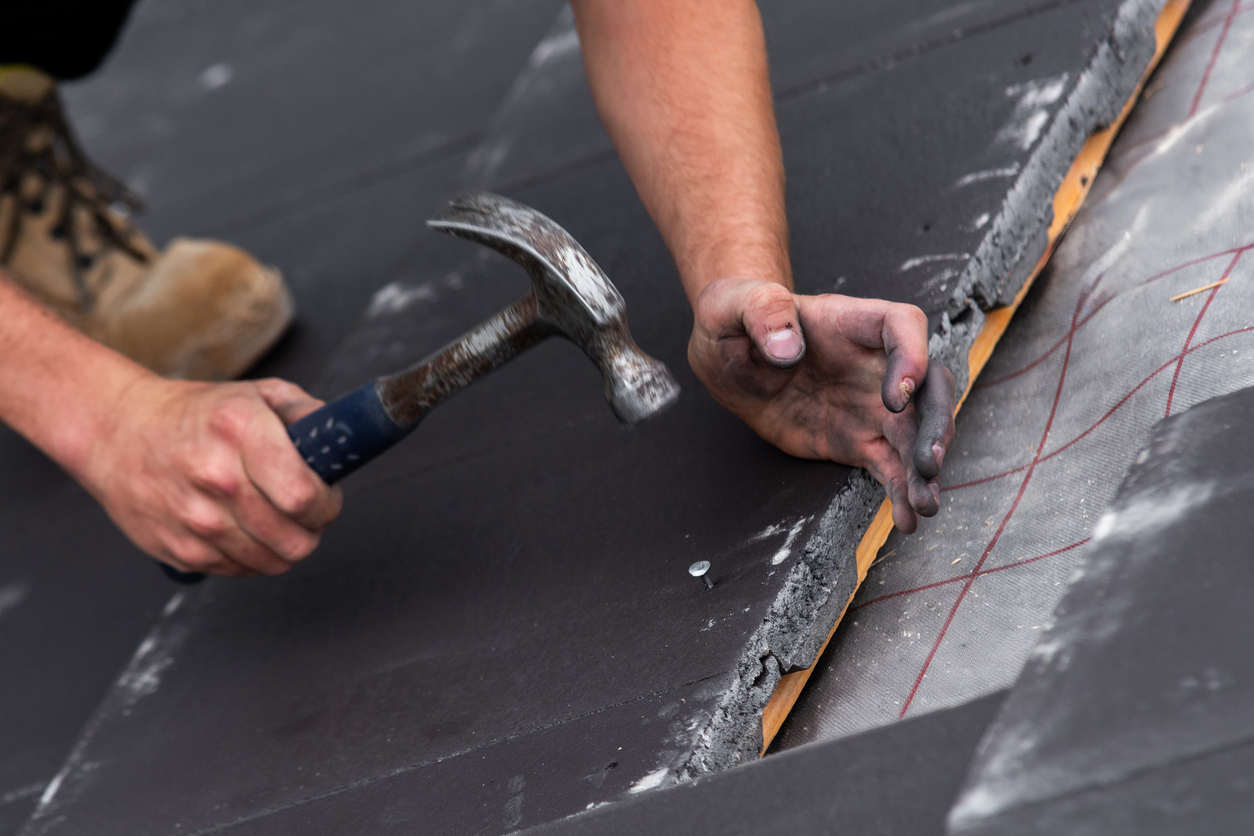
To counter this, marine operations enforce a strict zero-tolerance dropped-object culture governed by global DROPS (Dropped Object Prevention Scheme) standards and Step Change in Safety guidelines. Loose tools are completely prohibited. Every single podger spanner, level, and hammer from our scaffolding tools range must be secured via certified, load-rated lanyards directly to the operative’s belt or harness, supported by locking leather frogs that stop kit from sliding out when working at awkward angles.
Platform containment is just as critical. Standard 150mm steel toe boards are backed up by fine wire containment mesh or heavy-duty debris netting from our sheeting, netting & brickguards collection, closing the vertical gap up to the guardrail so that loose washers, pins, and bolts cannot be kicked into the sea. When working directly above the tide, scaffolders also face a dual hazard: fall arrest versus drowning. Crews deploy integrated fall-arrest harnesses fitted with automatic, self-inflating marine lifejackets, backed by strict standby vessel cover and dedicated emergency retrieval plans.
Operating in high-salinity marine environments forces a complete rethink of standard equipment maintenance. On offshore assets, relying solely on the statutory seven-day inspection cycle mandated by the Work at Height Regulations is insufficient. High-energy ocean winds, continuous vibration from rig drilling operations, and thermal cycling between hot daytime sun and freezing sea spray can loosen couplers and degrade structural connections long before a weekly checklist is due.
Competent scaffolding inspectors conduct daily pre-shift walk-throughs and mandatory post-weather-event inspections. Maintenance teams focus heavily on hidden failure points: salt crusting inside open tube ends, pitting corrosion on coupler threads, and micro-cracking around the welded rosettes or cups of modular standards. Equipment failing visual or non-destructive testing must be quarantined immediately to prevent compromised members from carrying live structural loads.
Logistics offshore also face stringent regulatory barriers under the Lifting Operations and Lifting Equipment Regulations (LOLER). Scaffolding equipment cannot simply be bundled and craned onto a supply vessel; all kit must be transported in certified, load-tested offshore cargo baskets and stillages built to DNV 2.7-1 or BS EN 12079 standards. Modular system scaffolding provides a clear operational advantage here, as uniform component lengths pack neatly into standardised steel stillages. This maximizes tight deck space on platform laydown areas, streamlines offshore crane lifts, and significantly cuts down manual handling fatigue during shift rotations.
The ongoing debate between tube and fitting and modular system scaffolding plays out across every dry dock, shipyard, and offshore platform, but marine projects rarely rely on a single system. Instead, the operational decision hinges on structural geometry versus turnaround speed.
Modular systems excel across large-scale, repetitive marine access tasks. In commercial shipyards, docking fees run into tens of thousands of pounds per day, putting a massive premium on assembly speed. Modular systems enable crews to erect towering perimeter facades, vessel hull access runs, and high-capacity public access stairways in a fraction of the time required by loose tube. The same applies offshore for living quarter refurbs, flare stack maintenance, and straight laydown area towers where fast-track modular assembly shortens expensive platform shutdown windows.
However, process decks, engine rooms, and offshore drilling modules are dense mazes of structural steel, piping spools, and cable trays. In these congested, irregular zones, modular bay lengths cannot navigate the obstacles. Sourcing traditional scaffolding components remains essential for threading loose steel tubes through tight pipe racks, wrapping circular pressure vessels, and clamping underslung beams at non-standard angles.
For most marine contractors, the most efficient strategy is a hybrid rig. Teams deploy modular system scaffolds for the primary access spine and stair towers, then seamlessly tie in traditional tube-and-fitting infills to navigate complex plant machinery and irregular hull contours.
Operating temporary works in offshore and marine environments leaves zero margin for error. When platforms hang above freezing waters or wrap active petrochemical refinery units, equipment failure directly threatens lives, asset integrity, and continuous production.
Surviving these conditions requires an engineered approach from quayside to decommissioning: specifying deep hot-dip galvanisation to resist aggressive C5-M atmospheric oxidation, replacing vulnerable timber with captive steel or aluminium decks, producing bespoke BS 5975 engineering designs for every suspended rig, and enforcing a 100% tool-tethering DROPS policy on the deck.
George Roberts Ltd backs contractors operating across the UK’s most demanding maritime environments with fully traceable, certified temporary works packages engineered to withstand extreme marine conditions:
Q: Why are timber scaffold boards generally prohibited on offshore oil and gas assets?
A: Softwood timber boards compliant with BS 2482 are heavily restricted or banned outright on offshore installations due to several compounding safety risks. First, timber is combustible and readily absorbs spilled hydrocarbons, synthetic drilling muds, and hydraulic oils, turning a work deck into a serious fire hazard. Second, constant moisture absorption dramatically increases the dead weight of suspended structures while accelerating fungal rot. Finally, loose timber boards are susceptible to severe wind uplift and wave-slam displacement. Offshore operators mandate perforated, hot-dip galvanised steel or marine-grade aluminium decks that lock mechanically onto transoms and provide non-combustible, self-draining work platforms.
Q: What is the difference between atmospheric marine corrosion and splash zone corrosion?
A: Under ISO 12944, atmospheric marine corrosion (C5-M) occurs on elevated sections of a vessel or platform exposed to airborne salt mist, coastal UV radiation, and continuous humidity. While severe, the corrosion rate is steady. The splash zone—the area intermittently submerged by tide, swell, and spray—is significantly more aggressive. This zone experiences constant wetting and drying cycles, high concentrations of dissolved oxygen, and physical wave-slam abrasion that rapidly strips away standard surface patinas. Corrosion rates in the splash zone can be five to ten times higher than atmospheric marine zones, requiring heavier zinc coatings, structural redundancy, and frequent physical inspections.
Q: What certifications do scaffolders need to work on UK offshore marine platforms?
A: Operatives working on offshore UK oil, gas, and renewable assets must hold a comprehensive suite of safety and competence qualifications before mobilising:
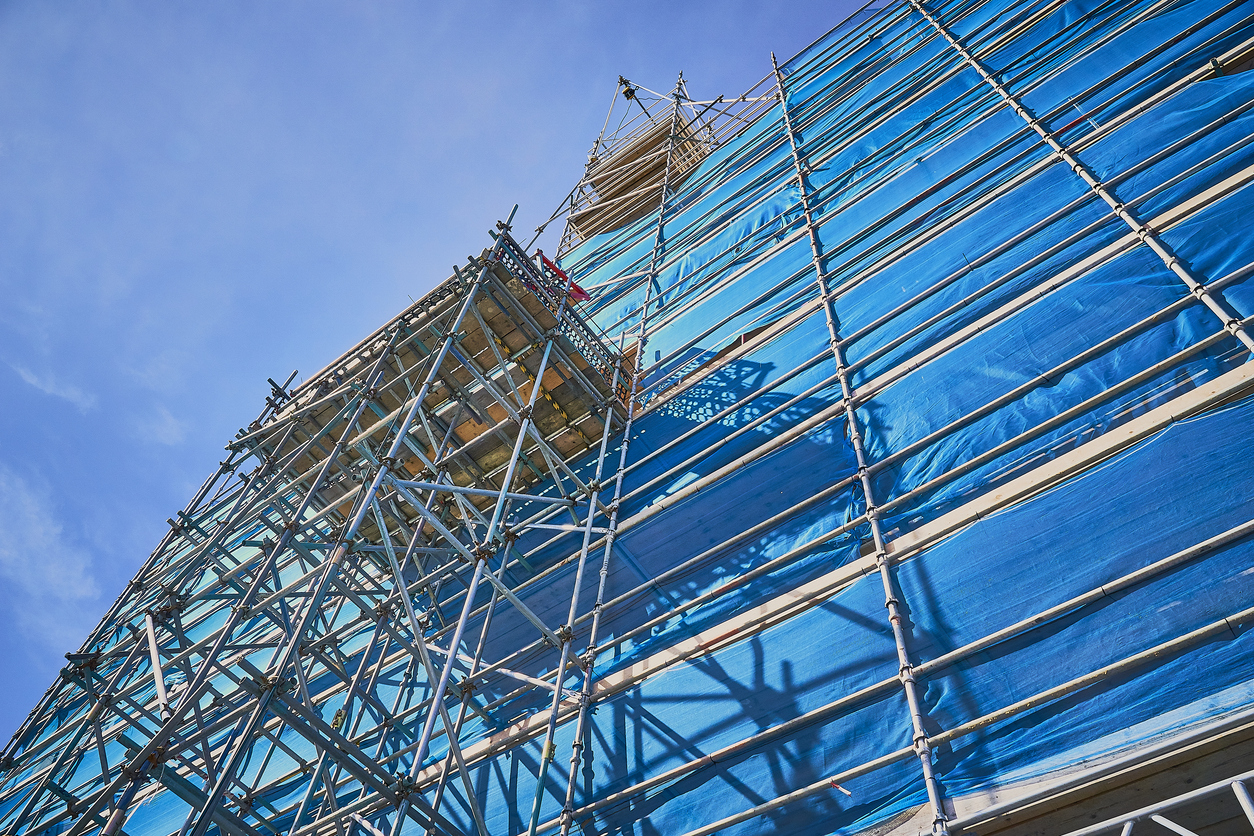
The British Standard for scaffolding is not a single document, but an interconnected suite of British and European ...
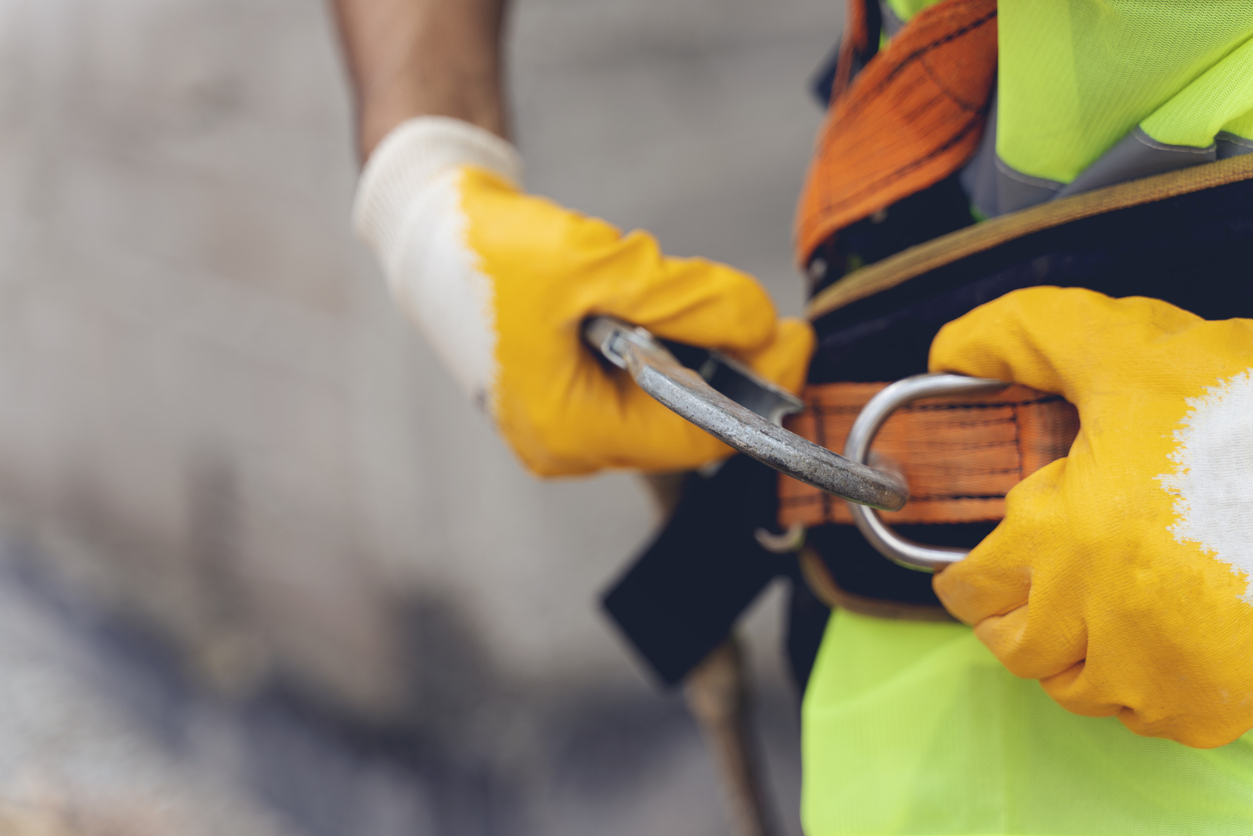
A properly fitted scaffold belt is critical on site because it directly balances height safety compliance with absolute ...

Protecting your equipment, posture, and site compliance on every lift While a leather scaffold frog is one of ...
Please select the List you wish to add to.