Common Mistakes When Using Scaffold Frogs (And How To Avoid Them)
- Scaffolding
- Site Safety
Please note we will be closed Friday the 30ᵗʰ of October for our annual Stock Take. We will reopen Monday 2nd of November.
We will still deliver on Friday 30ᵗʰ of October but our depot will be closed for Collections. We will not deliver Monday 2nd November but you will be able to collect.

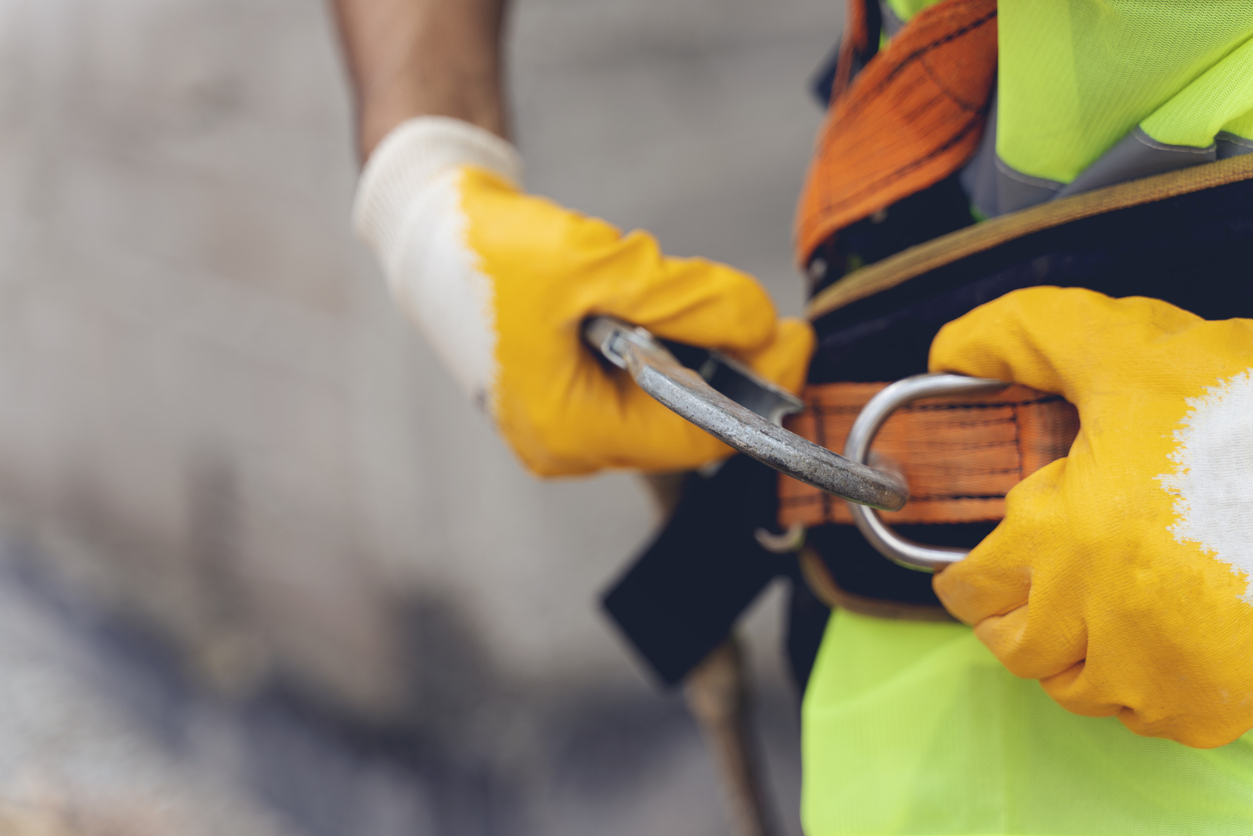
A properly fitted scaffold belt is critical on site because it directly balances height safety compliance with absolute tool security, keeping both the operative and the team below safe. When a belt fits correctly, it sits securely above the hips without sagging over fall arrest harness webbing, ensuring that emergency arrest systems deploy safely without causing groin trauma or strap interference. Simultaneously, correct belt tension prevents heavy leather from rolling outward under load, which is the primary reason holsters tilt and spill spanners or striking tools over platform edges. It also eliminates snag hazards in tight ladder bays and ensures that the dynamic shock of a dropped tethered tool is absorbed safely against the body rather than pulling a worker off balance.
Achieving this precise balance requires treating your belt as a safety-critical foundation rather than a simple accessory. Pairing a high-grade 2-inch leather belt with purpose-built scaffold tools and a secure single tool frog protects your posture on long shifts while ensuring total compliance with the UK Work at Height Regulations 2005.
When working on elevated scaffolding platforms, personal fall arrest equipment and hand tool storage must operate as two independent, fully compatible systems. A common and dangerous oversight on site is allowing a tool belt to hang loose around the hips, where it directly interferes with the critical geometry of a full-body safety harness.
Full-body fall arrest harnesses are precision engineered to distribute violent deceleration forces evenly across the pelvis, chest, and thighs during a fall. If a scaffold tool belt is fitted too loosely, the combined weight of heavy steel spanners and hammers drags the leather down over the iliac crest. In this dropped position, the belt rests directly across the harness leg loops and sub-pelvic straps.
In the event of an arrested fall, this overlap creates severe safety hazards:
To eliminate these hazards, operatives must fasten their tool belt snugly around their natural waistline, securely above the iliac crest. This positioning provides a solid anatomical ledge that carries the tool load while keeping the entire belt assembly completely clear of all harness straps, buckles, and sub-pelvic webbing. Both systems should be put on and inspected independently, ensuring complete freedom of movement and uncompromised fall protection on every lift.
Moving around an active scaffold rig means constantly squeezing through narrow bays, ladder access hatches, and cross bracing. If your belt is sitting too loose, the sheer weight of your spanners and hammers pulls the leather outward, making it far easier to get caught on hazards around the site.
That extra slack quickly turns your gear into an everyday snag hazard:
Pulling your belt in snugly keeps every leather frog sitting flush against your hips. It stops heavy tools from swinging around, keeps you clear of the steelwork, and lets you move between lifts without getting caught on your environment.
Dropped tools are often blamed on clumsy hands, but many dropped-object incidents actually start with a slack belt. When your belt lacks tension or structural stiffness, the sheer weight of your kit forces the leather to roll outward, tilting your holsters into a dangerous diagonal slant. The second you bend over to adjust a fitting or crouch down to level a base plate, that tilt allows top-heavy scaffolding hammers and spanners to slide straight out and tumble over the platform edge. Buckling a rigid, 2-inch leather belt snugly around your waist stops that outward roll completely, keeping your frogs locked strictly upright so your tools stay firmly seated no matter how much you bend, stretch, or climb.
Tethering hand tools is standard practice under UK Work at Height Regulations 2005, but when a heavy spanner slips, it creates a sharp jolt the second the safety lanyard snaps tight. If your belt is sitting loose, that sudden dynamic force yanks your entire waistband sideways, twisting your hips and easily threatening your footing on narrow boards. Fastening your belt snugly ensures any shock load from tetherable scaffold tools is absorbed evenly across your core and pelvis, arresting the falling tool instantly without dragging your balance along with it.
At the end of the day, your scaffold belt does far more than just keep your tools handy. It serves as an active line of defence for your personal safety, physical stamina, and dropped-object prevention at height.
Investing in thick, heavy-duty leather gear and taking the time to set a snug, balanced fit means fewer snags, seamless harness compatibility, and total peace of mind on every lift.
A: A scaffold tool belt should always be worn over your working clothes but positioned independently of your safety harness. Fasten it snugly around your natural waistline, sitting firmly above the iliac crest (hip bones). This positioning ensures the belt stays well clear of the harness leg loops, chest straps, and sub-pelvic webbing, allowing the harness to deploy cleanly without strap interference or dangerous pressure points during a fall.
A: Carry out a quick bend-and-squat test on ground level before climbing the structure. Load your belt with your daily kit, then crouch down as if adjusting a base plate. If the belt rolls outward or your holsters tilt forward at a sharp angle, the belt is either too loose or lacks the structural rigidity needed for the load. A properly fitted belt stays flat against your core, keeping your holsters strictly upright.
A: If a tethered tool drops and jerks your belt, make sure your footing is completely secure on the platform before hauling the tool back up. Once the tool is safe, inspect the lanyard, frog rivets, and belt leather for stress tears or stretching. If the belt was pulled sideways, re-centre your frogs and tighten the buckle back to its locked-in position to maintain your balance on the next lift.
Why standard timber hammers fail on site and the specialised tools professionals rely on On any commercial construction ...
Sourcing high-quality steel or aluminium poles represents a substantial financial commitment for any construction or scaffolding firm. Whether ...
In the construction and engineering sectors, a scaffolding structure is frequently categorised by its scale or its overarching ...
Please select the List you wish to add to.