What Kind Of Hammers Do Scaffolders Use?
- Scaffolding
- General

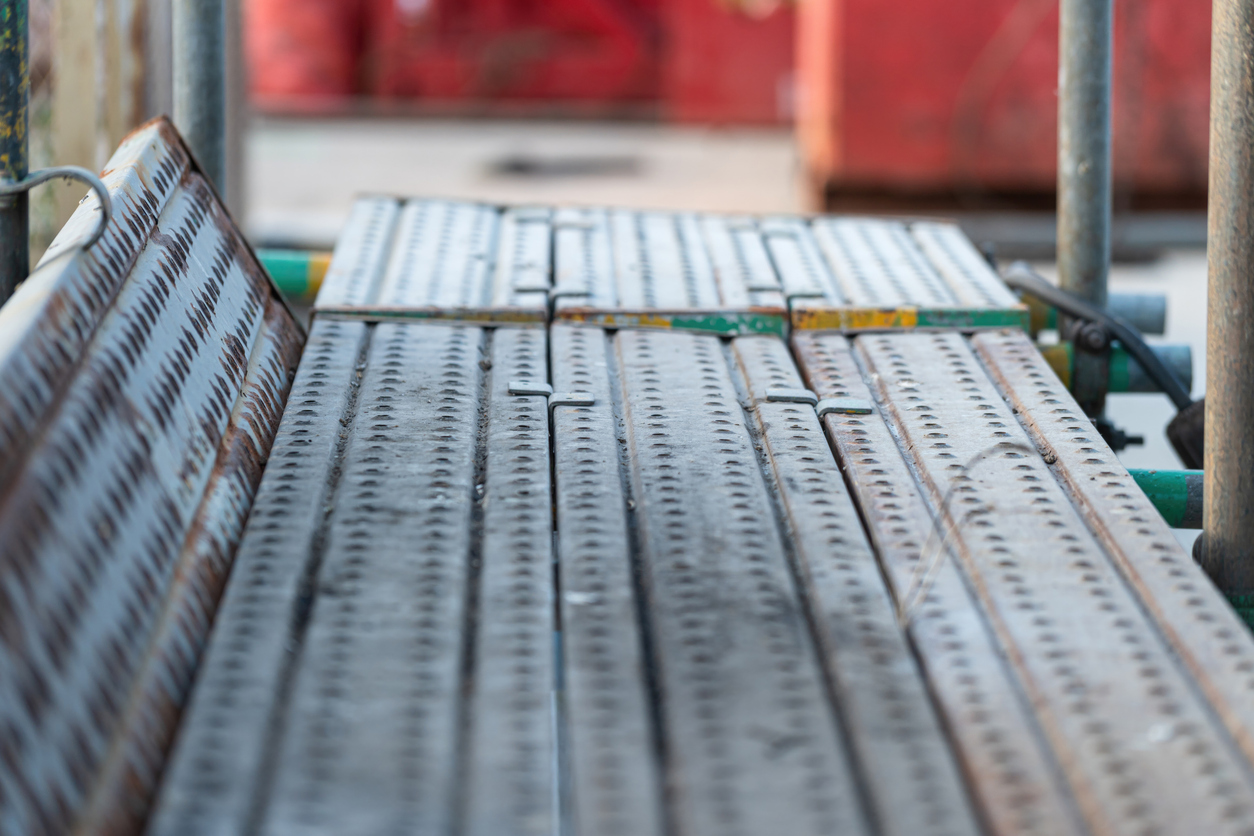
For decades, the wooden scaffold board has been the undisputed king of the construction site. It is the traditional workhorse that scaffolding contractors and builders have relied on to work safely at height. However, in recent years, plastic and composite scaffold boards have surged in popularity, offering a modern alternative that challenges the timber standard.
If you are outfitting a new project or looking to replace your aging stock, you might be wondering which option is the best investment. Both materials have their distinct advantages, and the right choice ultimately depends on your budget, environment, and long-term business goals.
Here at George Roberts (GR+), we supply both premium BS 2482 timber boards and high-quality plastic alternatives. Let’s break down the pros, cons, and best use cases for each to help you make an informed decision.
Timber boards (typically made from European Whitewood) are the industry standard for a reason. They are highly regulated, widely understood, and structurally reliable.
Plastic or composite scaffold boards are engineered from high-density polymers. They are designed to eliminate the inherent weaknesses of organic timber, making them a popular choice for specialist industries and long-term scaffolding investments.
When comparing the two materials side-by-side, the differences in cost, longevity, and maintenance become quite clear. Timber scaffold boards offer a much lower initial cost but typically have a shorter working lifespan of around two to three years. Because timber is organic, it requires regular inspection for rot and splits, and its weight fluctuates—becoming notably heavier when saturated with rain. This makes traditional timber best suited for standard construction, masonry, and shorter-term projects. In contrast, plastic scaffold boards require a significantly higher initial investment but boast an impressive lifespan of 10 to 15 years or more. They are exceptionally low maintenance, easy to wash, and their weight remains perfectly consistent regardless of the weather. These features make plastic boards the ideal choice for long-term use, heavy rain exposure, and specialized environments like clean rooms or food production facilities.
Choose Timber if: You are a traditional scaffolding contractor looking for the most cost-effective way to mobilize a large site quickly. If your primary work is standard bricklaying, roofing, or residential access, timber remains a highly reliable, compliant, and sensible choice.
Choose Plastic if: You are looking at the total cost of ownership over a decade. While the upfront cost is higher, you will save thousands in replacement costs over the years. Additionally, if your company operates in the industrial, chemical, nuclear, or food & beverage sectors, the non-porous, washable nature of plastic boards makes them essential.
Whether you prefer the traditional feel of BS 2482 timber or the high-tech longevity of plastic, George Roberts (GR+) has the stock, the expertise, and the delivery network to supply your site.
Explore our full range of scaffolding boards at the GR+ Webstore to find the perfect foundation for your next project.

Understanding the cornerstone of every professional scaffolder’s tool belt On any active UK construction or civil engineering site, ...
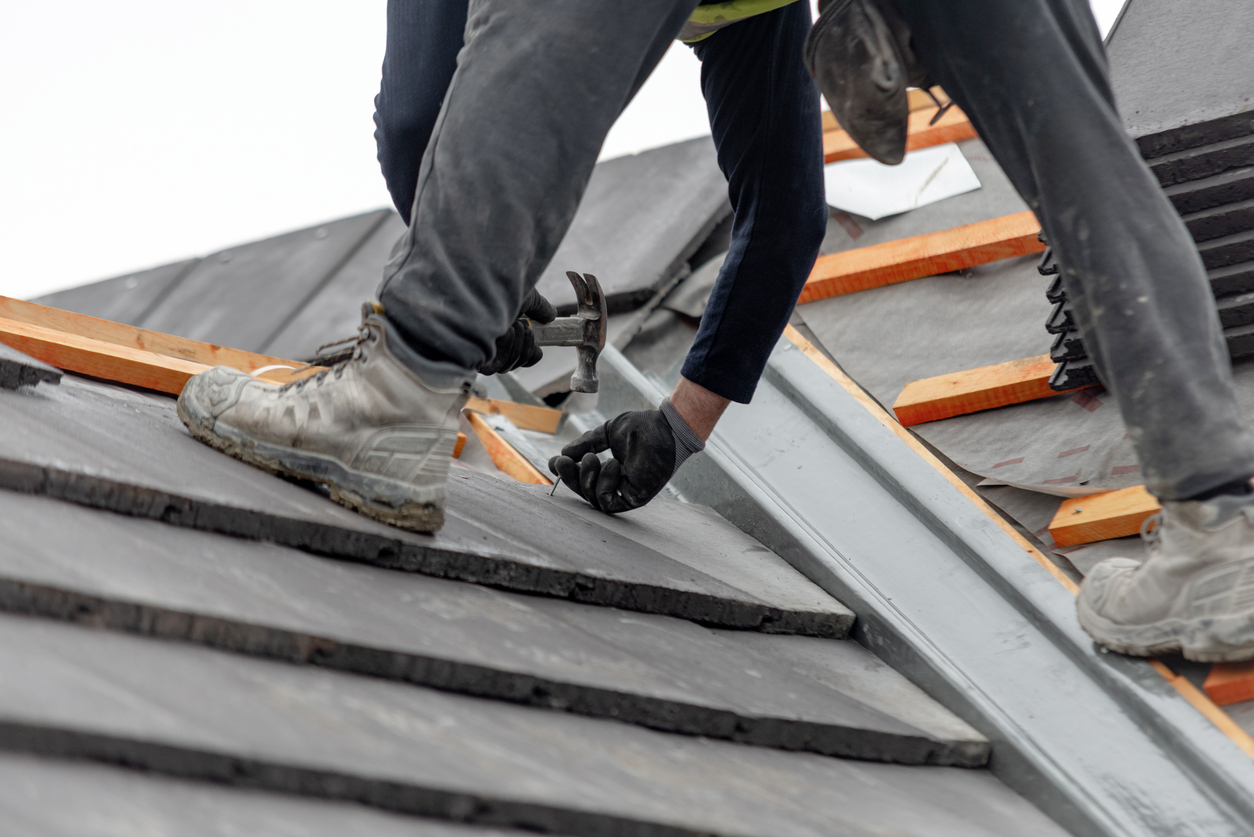
How improper tool selection, poor maintenance, and unsafe holstering create preventable site hazards In the construction and access ...
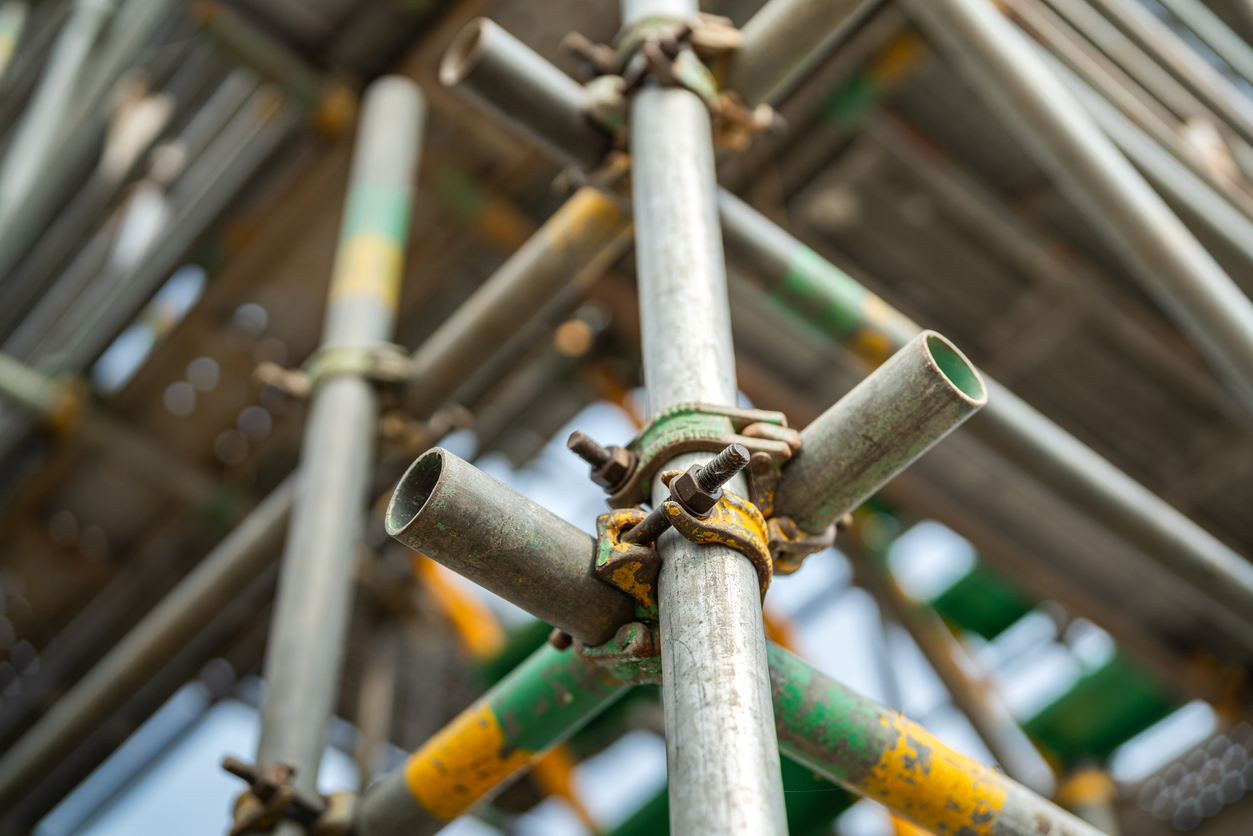
Sourcing high-quality steel or aluminium poles represents a substantial financial commitment for any construction or scaffolding firm. Whether ...
Please select the List you wish to add to.