How To Extend The Lifespan Of Scaffold Tubes
- Scaffolding
- Site Safety

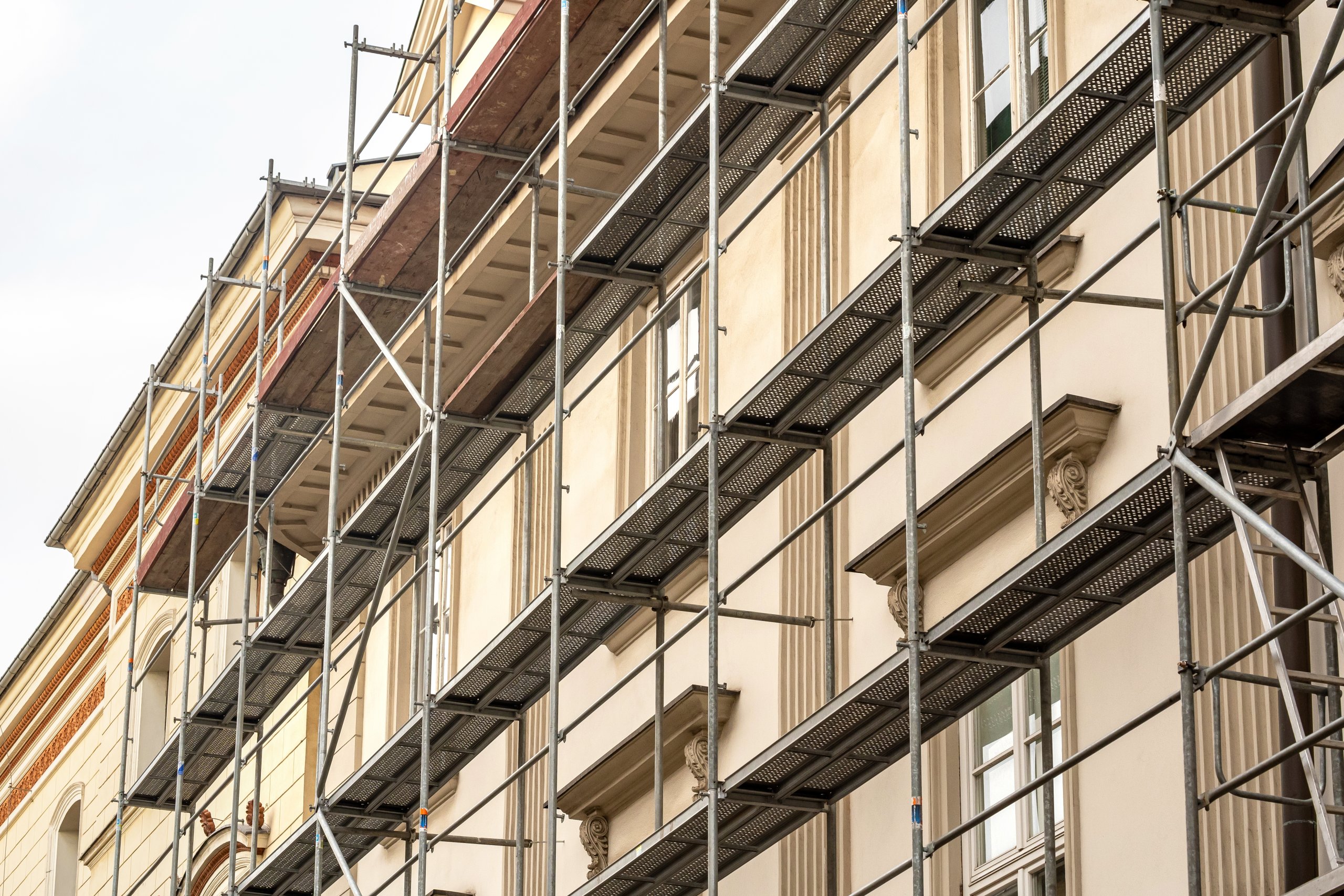
Scaffolding is the backbone of countless construction projects, providing workers with safe access to heights. Yet, its stability hinges on one critical component: the scaffold tie. Choosing the right scaffold tie isn’t just a technical decision—it’s a matter of ensuring structural integrity and scaffolding safety. A poorly selected or improperly installed tie can lead to catastrophic collapses, endangering lives and derailing timelines.
In this guide, we’ll break down the essentials of selecting scaffold fixings that guarantee stability, from load capacity to environmental factors. Whether you’re a site manager, scaffolding contractor, or DIY enthusiast, you’ll find actionable insights to make informed choices—plus a nod to standout products like the Scaffold Supa Tie and Scaffold Supa Tie E, available from GR+.
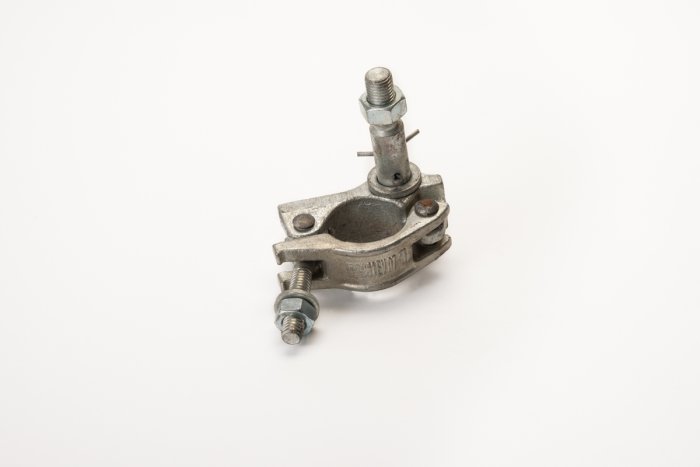
Scaffold ties anchor the structure to the building façade, distributing loads and resisting forces like wind or worker movement. Without them, even the sturdiest scaffolding can buckle. In the UK, adherence to standards such as BS EN 12811 ensures compliance, but the real-world stakes are higher: a single failure can compromise structural integrity, leading to costly delays or worse.
The Health & Safety Executive (HSE) routinely highlights improperly secured scaffolding as a leading cause of construction accidents. Choosing the right scaffold tie isn’t optional—it’s a non-negotiable step towards scaffolding safety and project success.
Selecting the perfect scaffold tie involves balancing several variables. Let’s explore the most critical factors.
The tie’s load capacity must match the scaffolding’s demands and the building’s substrate. A lightweight tie might suffice for a timber frame, but concrete or masonry façades require robust options like the Scaffold Supa Tie E, engineered for heavy-duty applications.
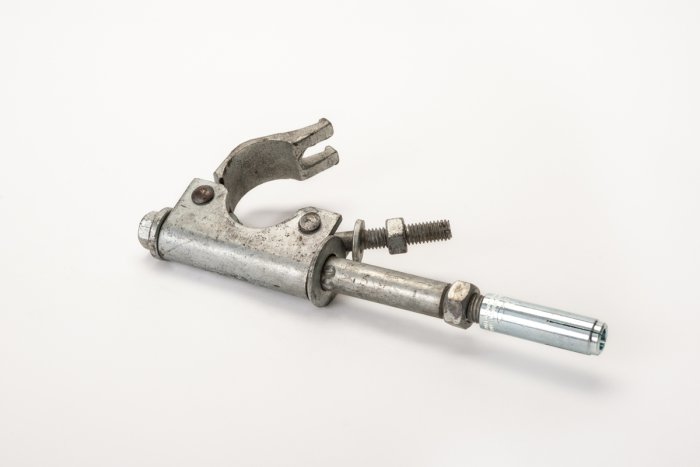
Consider:
A mismatch between tie and material undermines structural integrity, so precision is key.
Uniform scaffold tie spacing ensures even load distribution. British Standards recommend ties every 4 metres horizontally and 2 metres vertically, but complex façades may demand tighter configurations. Poor spacing—too far apart or unevenly placed—creates stress points, threatening scaffolding safety.
For example, the Scaffold Supa Tie offers reliable anchoring across varied layouts, making it a go-to for contractors seeking compliance and stability.
Weather and site specifics can dictate tie choice. High winds amplify lateral forces, necessitating ties with greater tensile strength. Rain or coastal corrosion risks might call for galvanised options. Similarly, irregular façade geometry—think recessed windows or protrusions—may require adjustable scaffold fixings to maintain structural integrity.
Assess:
Not all scaffold fixings are equal. Here’s a quick rundown of popular options:
Each type has its niche—match it to your project for optimal scaffolding safety.
Proper installation turns a good scaffold tie into a great one. Follow these steps
Regular inspections post-installation catch issues early, preserving structural integrity.
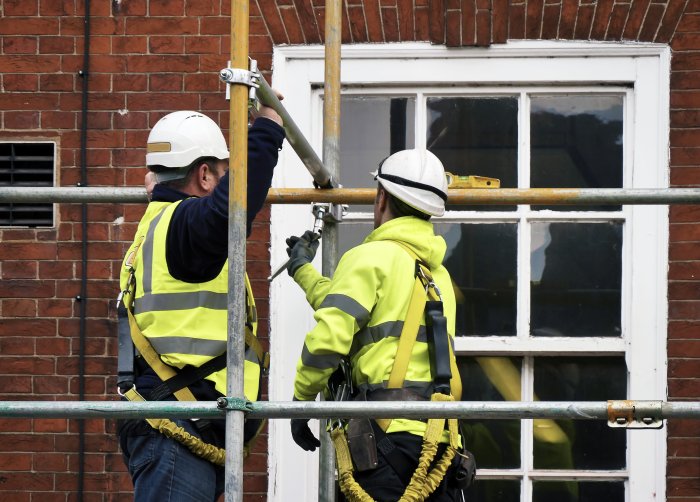
Regular inspections post-installation catch issues early, preserving structural integrity.
Even seasoned pros can slip up. Watch out for:
For top-tier scaffold fixings, GR+ offers standout solutions:
Ready to upgrade your scaffolding setup? Explore our full range of scaffold fixings and find the perfect tie for your next project.
Choosing the right scaffold tie is the cornerstone of structural integrity and scaffolding safety. By factoring in load capacity, spacing, and environmental conditions, you can anchor your scaffold with confidence. Avoid common pitfalls, follow best practices, and lean on proven products like the Scaffold Supa Tie E to get it right every time.
Need reliable scaffold fixings? Visit our Scaffold Fixings page to explore top-performing ties, including the Scaffold Supa Tie range, and take a step towards safer, more secure scaffolding today.
When assembling a traditional tube-and-fitting scaffolding structure, every single component counts towards the ultimate safety and efficiency of ...
In the scaffolding industry, safety is built on the details. While heavy-duty scaffold tubes and durable scaffold boards ...

Scaffolding is the structural backbone of any major construction, maintenance, or renovation project, providing a secure platform for ...
Please select the List you wish to add to.