
Why Proper Fit Matters With Scaffold Belts
- Scaffolding
Please note we will be closed Friday the 30ᵗʰ of October for our annual Stock Take. We will reopen Monday 2nd of November.
We will still deliver on Friday 30ᵗʰ of October but our depot will be closed for Collections. We will not deliver Monday 2nd November but you will be able to collect.


Scaffolding is the structural backbone of any major construction, maintenance, or renovation project, providing a secure platform for workers to operate safely at height. While large, highly visible components like scaffold boards and scaffold tubes often get the most attention, it is the scaffold fixings, the ties, anchors, clamps, and bolts that provide the structure’s strength.
Unfortunately, even the most robust scaffolding system can be completely compromised by simple installation errors or poor equipment selection. When fixings fail, the consequences can be catastrophic.
To help ensure your site remains compliant and secure, we explore the most common scaffold fixing mistakes that compromise safety and how to avoid them.
One of the most frequent errors on-site is assuming that a single type of fixing is a universal solution for every wall type. Different building materials have entirely different densities, load-bearing capacities, and structural integrity.
Every scaffold structure must withstand a complex combination of forces: dead loads (the weight of the scaffold itself), live loads (workers, tools, and heavy materials), and environmental loads (wind pressure).
Even if you invest in the highest quality anchors, spacing them incorrectly will introduce dangerous stress concentration points across the framework, leaving certain sections vulnerable to buckling.
Achieving the correct torque is a precise science when assembling framework components or setting wall anchors.
Weather conditions dramatically shift how fixings behave, particularly when environmental barriers are introduced to the framework.
At GR+ by George Roberts, site safety and structural integrity are at the heart of what we supply. Explore our comprehensive ranges to keep your team safe:
Q: What are the primary consequences of using incorrect scaffold fixings? A: Using improper or poorly installed fixings can lead to catastrophic scaffold collapse, severe injury or fatalities for site workers and members of the public, extensive property damage, and severe legal liabilities under HSE regulations.
Q: How often do scaffold ties and fixings need to be inspected? A: According to UK statutory regulations, scaffolding must be inspected by a competent person before its first use, at least once every 7 days while erected, and immediately following any occurrence that could affect its stability – such as high winds, severe storms, or accidental vehicle impact.
Q: Can I reuse scaffold anchors and screwbolts on a new project? A: This depends entirely on the manufacturer’s specification. While certain heavy-duty screwbolts can be reused if they pass a strict inspection showing no thread wear or deformation, many expansion anchors and nylon plugs are strictly single-use. Always consult the manufacturer guidelines before reusing any structural component.Q: How do scaffold sheeting and netting alter my fixing requirements?A: Netting and sheeting significantly increase wind resistance (known as the sail effect), which places immense lateral pressure on the structure. Adding containment elements means you must modify your scaffold design to include tighter tie spacing and higher-capacity anchors to offset the extra wind loads.
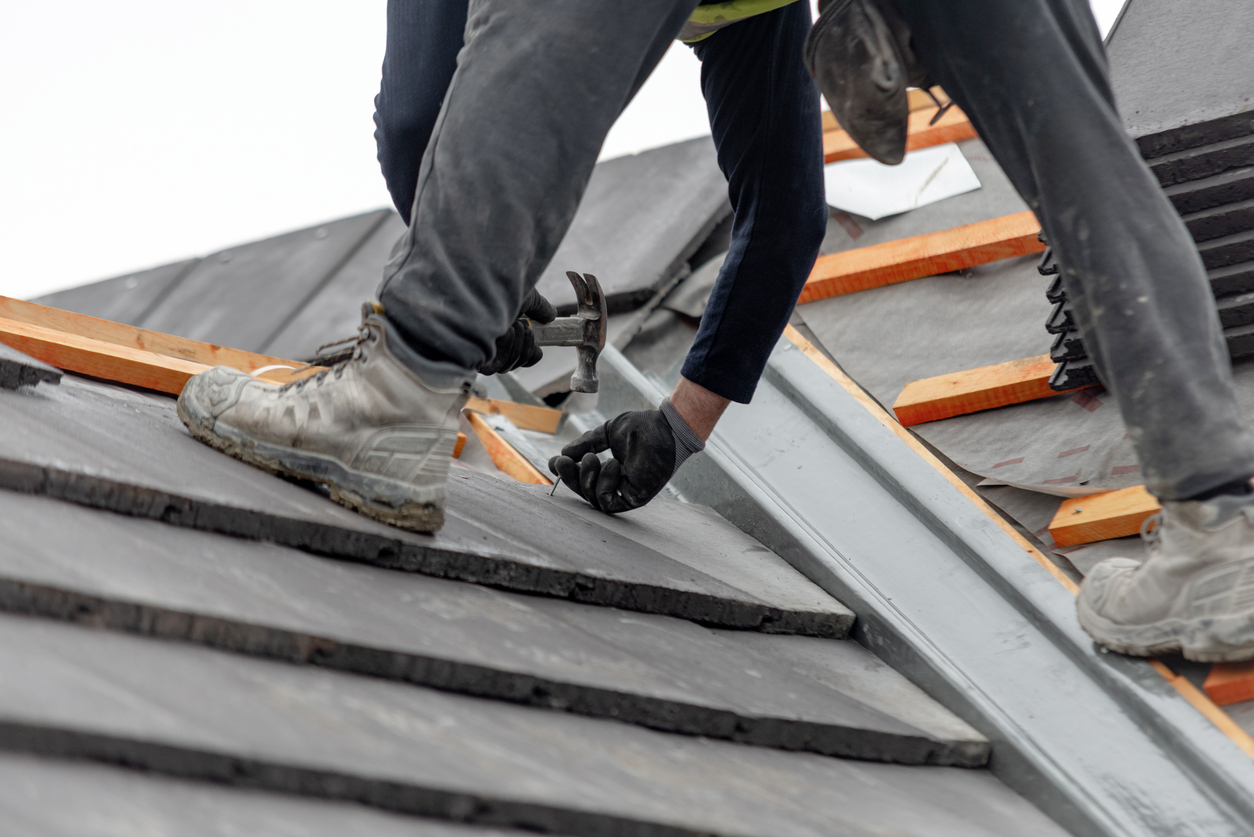
How improper tool selection, poor maintenance, and unsafe holstering create preventable site hazards In the construction and access ...
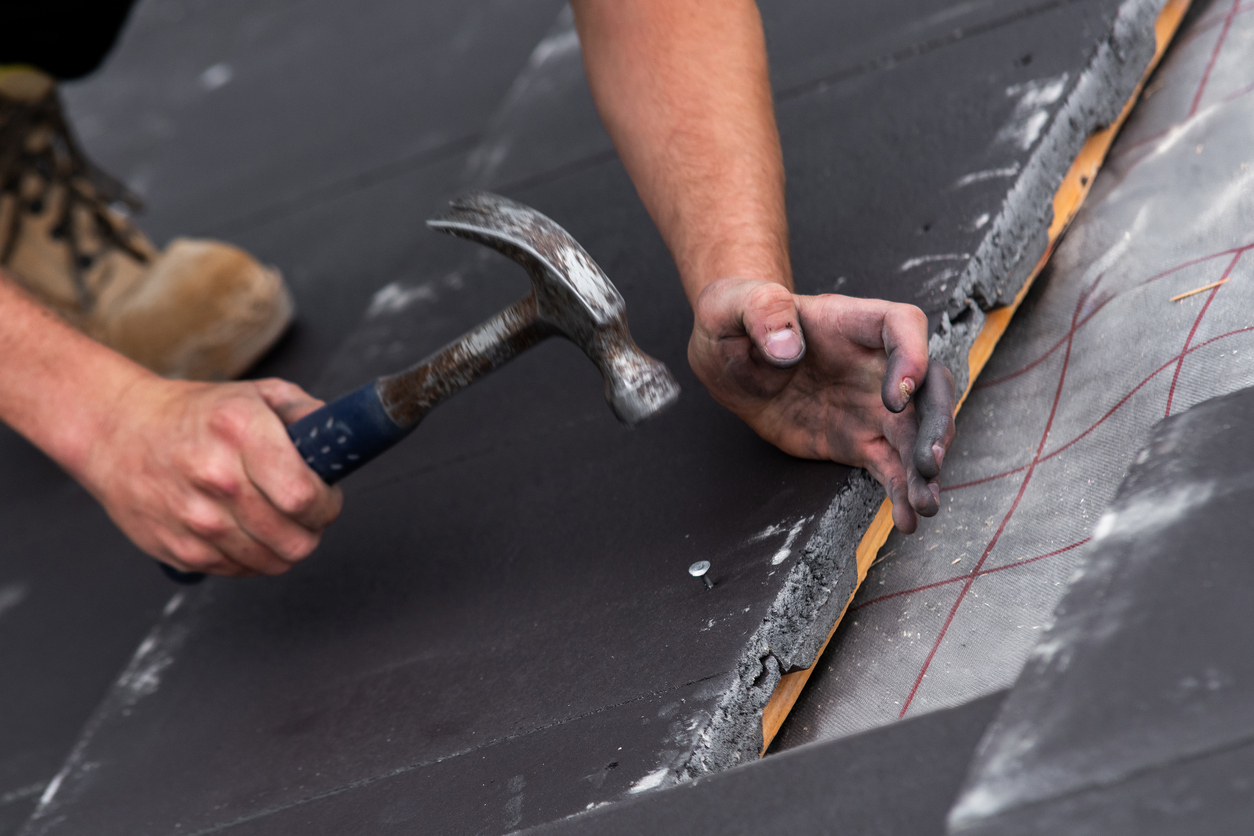
Why standard timber hammers fail on site and the specialised tools professionals rely on On any commercial construction ...
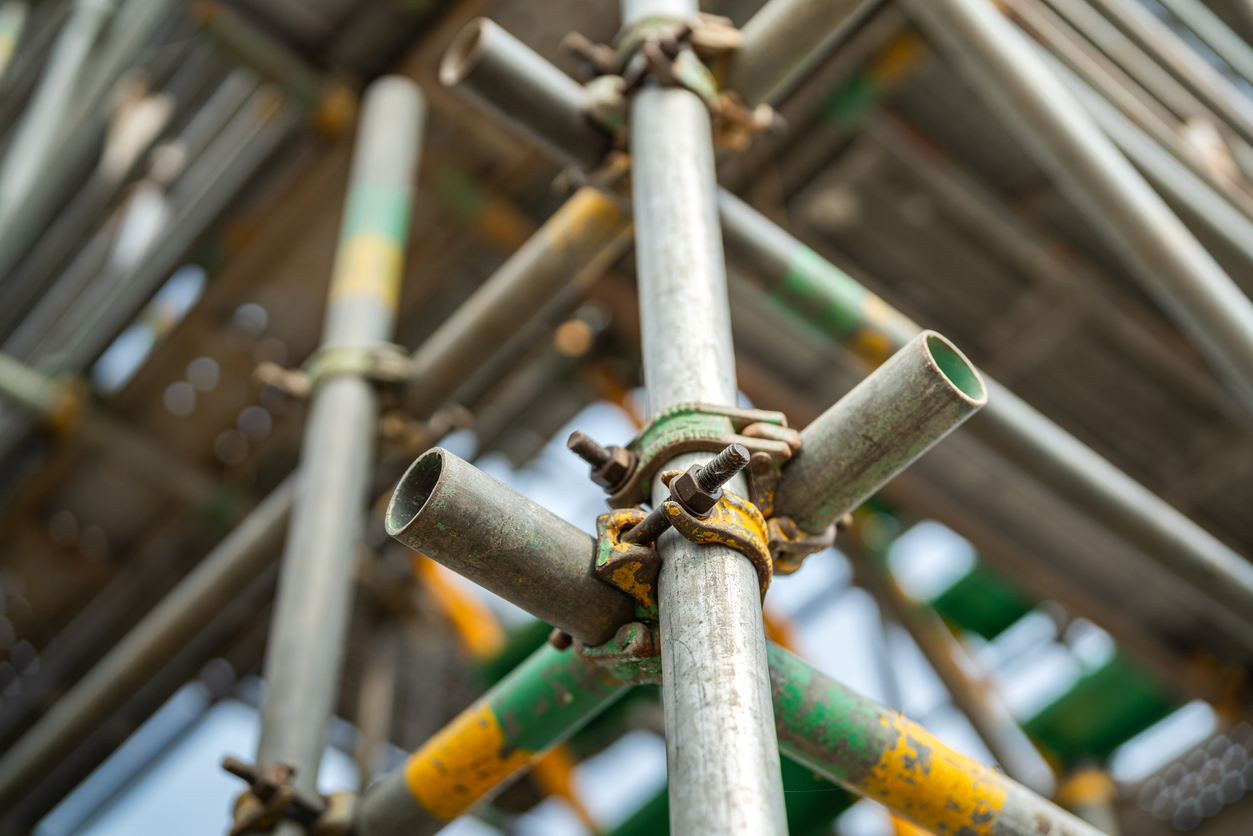
Sourcing high-quality steel or aluminium poles represents a substantial financial commitment for any construction or scaffolding firm. Whether ...
Please select the List you wish to add to.