Timber Vs Plastic Scaffold Boards: Which Should You Choos
- General

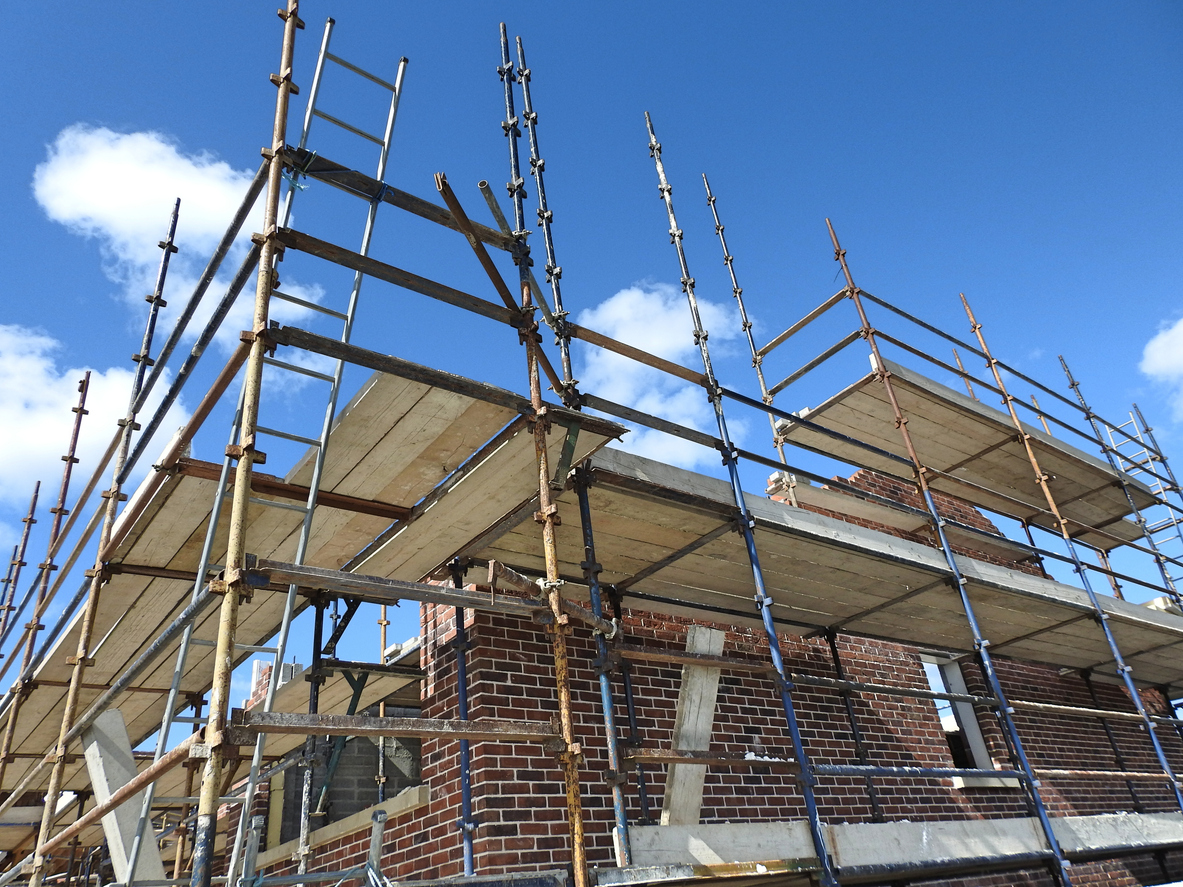
When it comes to construction, renovation, or even DIY projects, the integrity of your equipment is the foundation of your safety. Among the most debated pieces of equipment in the industry is the humble scaffold board. At GR+, we often get asked by clients in the North West whether they can squeeze a few more years out of their existing inventory or if “reclaimed” boards are suitable for structural use.
The short answer? Yes, there is a significant problem with old scaffold boards. While they might look sturdy at a glance, the hidden risks associated with aged timber can lead to catastrophic failures.
In this post, we’ll explore why old boards are a liability and how choosing high-quality, new products from GR+ can protect your workers and your business.
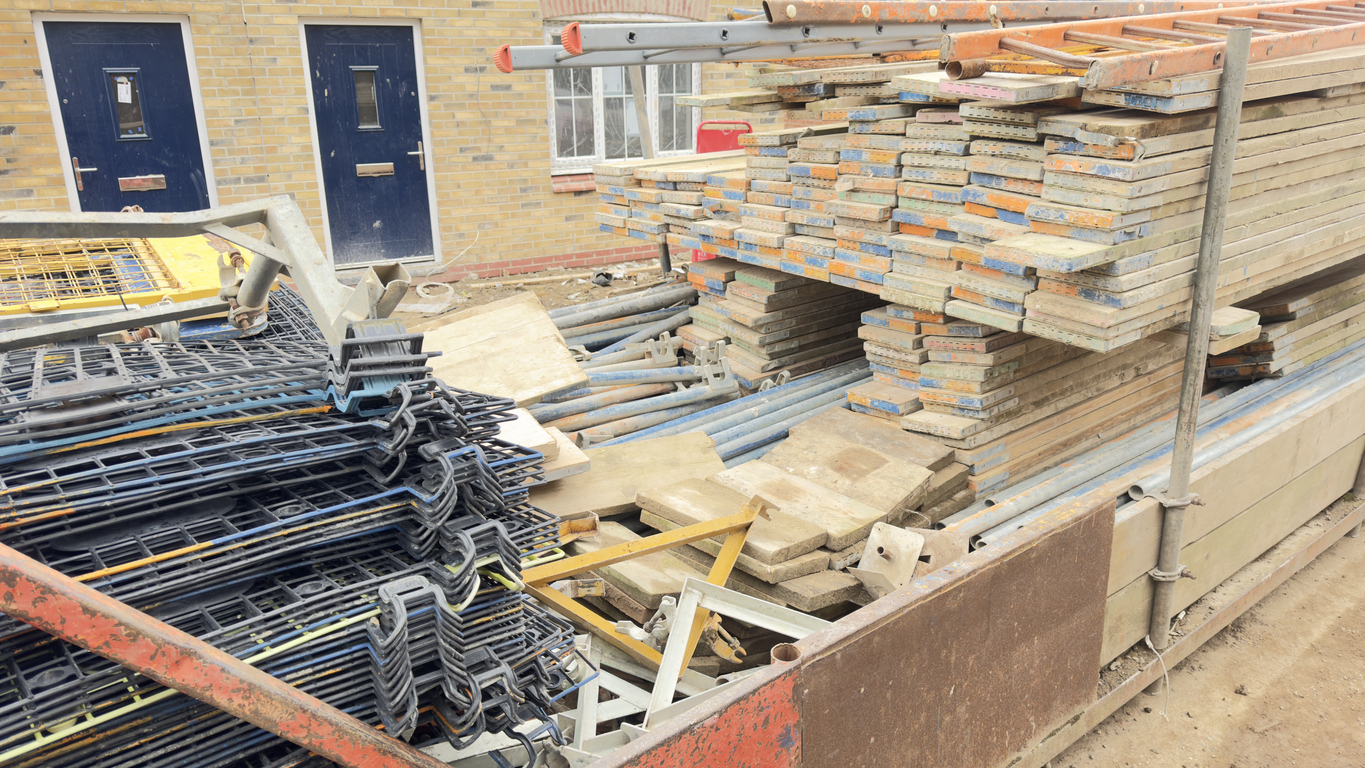
Scaffold boards are typically made from European Whitewood. While this is an excellent material for weight-bearing, it is a natural product subject to environmental stress. Over time, several factors compromise their safety:
In the damp climate of the North West, scaffold boards are frequently exposed to rain and humidity. If boards are stored poorly or remain wet for long periods, they develop “wet rot.” The most dangerous aspect of this is that the rot often starts inside the board. You may have a board that looks perfect on the surface but has the structural integrity of a sponge in its core.
Every time a worker walks across a board or a pallet of bricks is dropped onto it, the wood fibers flex. Over years of heavy use, these fibers begin to snap on a microscopic level. This “timber fatigue” means the board can no longer meet its original load-bearing specifications, leading to sudden snaps rather than gradual bends.
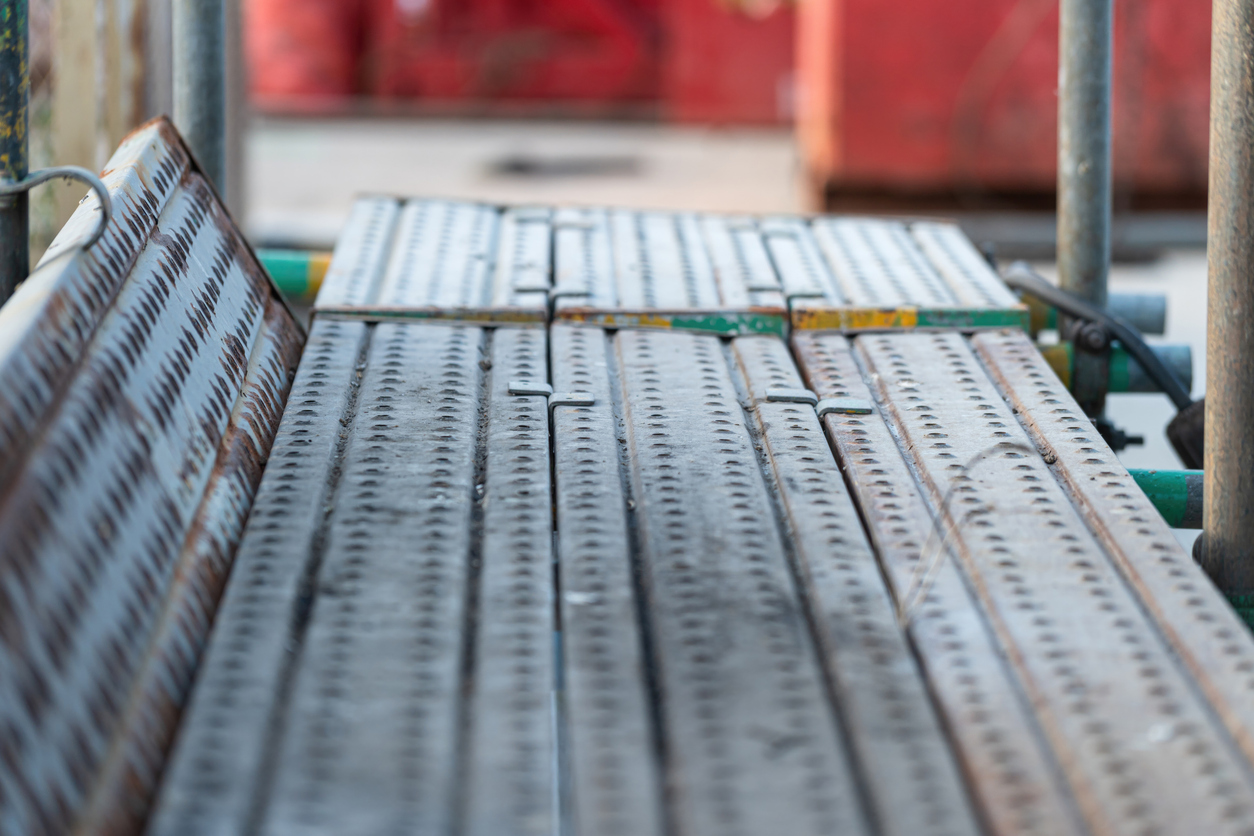
The metal end bands on a scaffold board aren’t just for decoration; they prevent the timber from splitting along the grain. On older boards, these bands often become loose, rusted, or missing. Once a split starts at the end of a board, it can travel the full length under pressure, causing the platform to fail instantly.
We see a rising trend in people buying “old” scaffold boards for garden furniture or flooring. While this is a great way to upcycle, old boards should never return to a construction site. Purchasing used boards might seem like a way to save on overheads, but the legal and safety risks far outweigh the savings. If an accident occurs on-site involving an aged, non-compliant board, the liability falls squarely on the contractor. By investing in new scaffold boards from a reputable supplier like GR+, you are purchasing peace of mind and compliance with BS 2482 standards.
At GR+, we pride ourselves on being the premier scaffold specialists in the North West. We don’t just “sell boards”; we provide structural solutions that keep your team safe.
When you choose to upgrade your old inventory with our products, you benefit from:
Beyond just boards, we offer a full suite of scaffolding solutions. If you are looking to replace an entire system, check out our scaffolding services to see how we can support your next big build.
If you are currently auditing your stock, look for these “Red Flags”:
Is there a problem with old scaffold boards? Absolutely. Timber is a perishable resource, and in an industry where lives are at stake, “good enough” is never enough.
Upgrading your equipment isn’t just a purchase; it’s an investment in your company’s reputation and your team’s safety. Whether you need a small batch of replacement timber or a full-scale scaffolding setup, GR+ is here to help.
Ready to refresh your stock? Visit grplus.co.uk today to browse our range of high-quality scaffolding products and ensure your next project is built on a solid, safe foundation.

Whether you are managing a commercial construction project or carrying out essential maintenance on a residential property, scaffolding ...
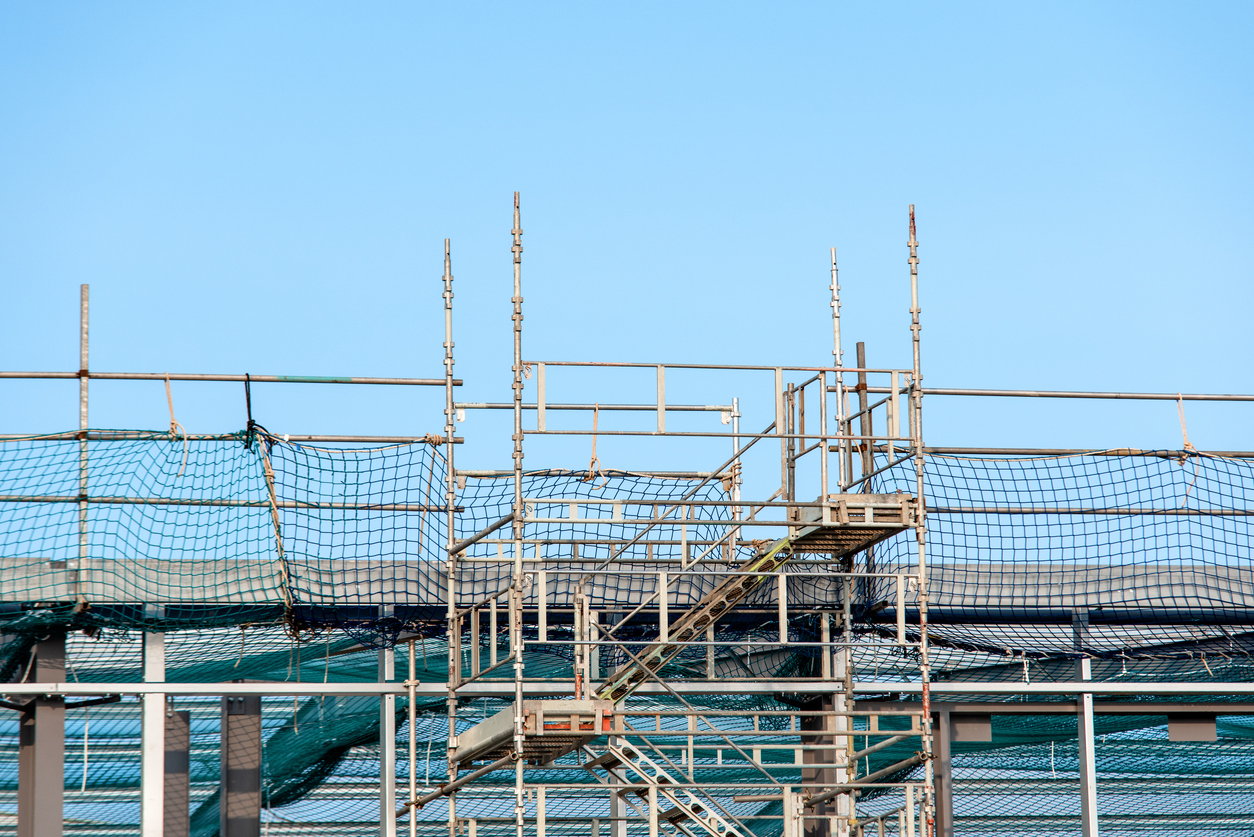
Scaffold towers are one of the safest and most efficient ways to work at height across construction, maintenance, ...
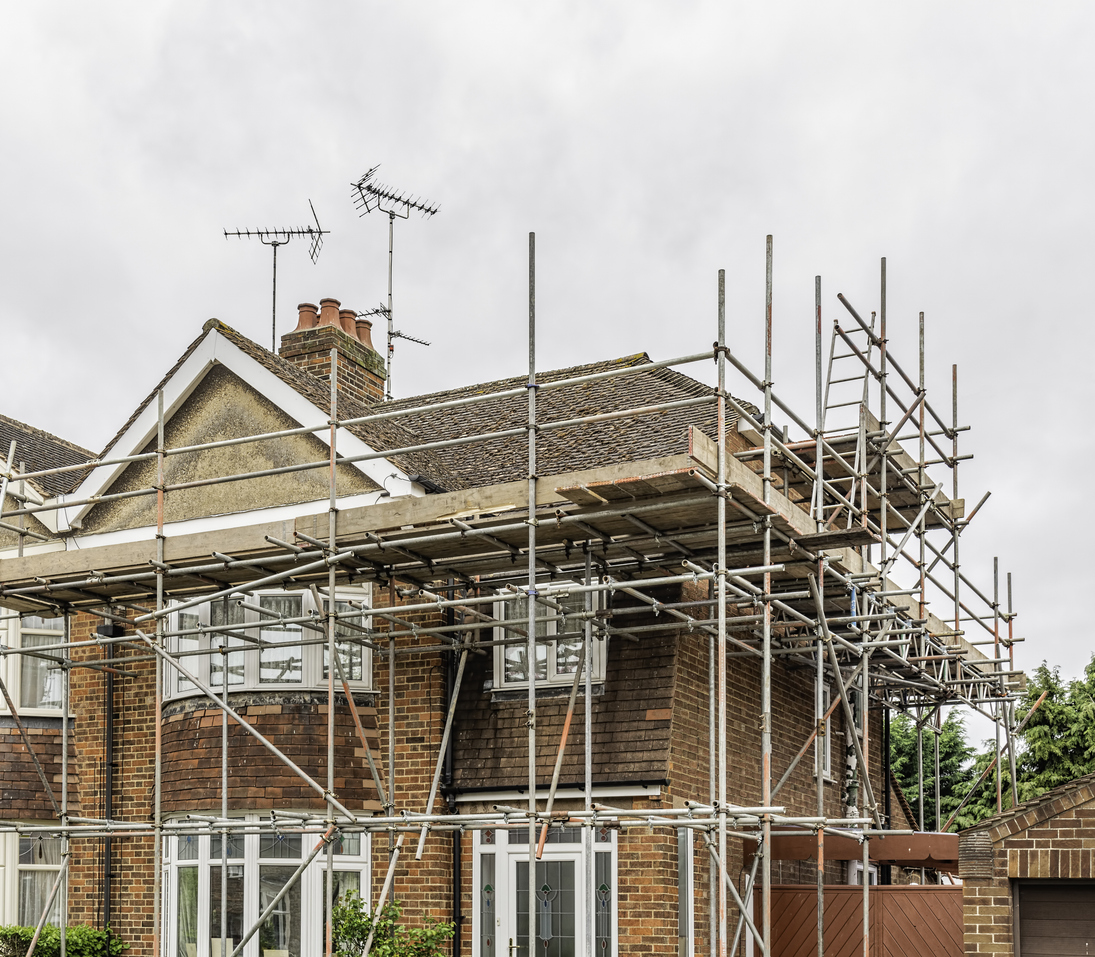
You need scaffolding for a building project when work at height cannot be carried out safely using ladders ...
Please select the List you wish to add to.