What Is The 3 – 1 Rule For Scaffolding?
- Scaffolding


Scaffold towers are one of the safest and most efficient ways to work at height across construction, maintenance, fit-out, and domestic projects. They provide a stable working platform, greater freedom of movement, and improved compliance compared to ladders. However, selecting the correct type of scaffold tower is essential. Different environments, working heights, and access challenges demand different solutions.
This guide explains the main types of scaffold towers, how they are built and erected safely, and when each design should be used. By understanding these differences, you can work more efficiently, reduce risk, and ensure the right access solution is used for the task. Additionally, we have a blog discussing the difference between scaffold towers and access towers – if you are confused between the two.
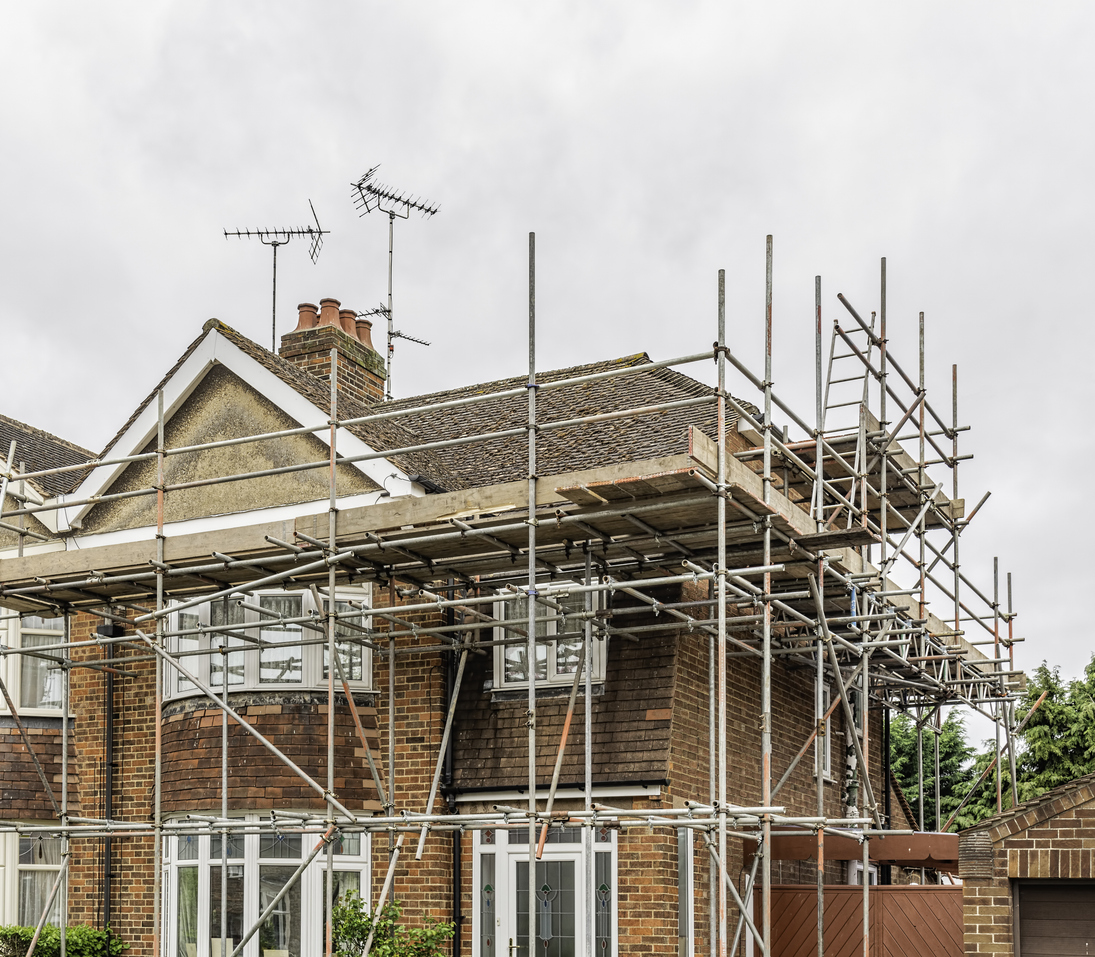
A scaffold tower is a freestanding access structure designed for short-term or mobile work at height. It is built using modular components that slot together to form a stable, self-supporting platform. In contrast, traditional scaffolding is a fixed structure that is tied into a building and typically erected by qualified scaffolders for long-term construction projects.
Scaffold towers are commonly used for maintenance, installation, inspection, and finishing tasks where flexibility and mobility are required. Their modular nature allows them to be assembled, repositioned, and dismantled with minimal disruption.
Single width scaffold towers are designed for environments where space is restricted. Their narrow footprint makes them ideal for indoor use, corridors, stair landings, and confined work areas. Electricians, decorators, and maintenance engineers often choose single width towers when access is limited but safe working height is still required.
Double width scaffold towers offer a larger working platform made of scaffold boards, providing greater comfort and stability when working for extended periods. The increased platform space allows tools and materials to be kept close at hand, improving efficiency. These towers are commonly used on construction sites and for external works where space is not restricted.
The right choice depends on available space, duration of work, and the amount of equipment needed on the platform.
Folding and quick-build scaffold towers are designed to reduce assembly time while maintaining safety and stability. These systems use fewer components and simplified locking mechanisms, making them particularly suitable for contractors who move between sites or carry out short-duration tasks.
Their compact design makes them easier to transport and store, especially for trades working from vans or smaller vehicles. Folding towers are well suited to inspections, light maintenance, and interior work, where rapid setup and dismantling are key priorities.
For higher working heights or heavier duty applications, traditional modular towers may be more appropriate, despite requiring additional assembly time.
Building a scaffold tower safely starts with following the manufacturer’s instructions and ensuring only trained and competent individuals carry out the assembly. Towers should always be built from the ground up, with guardrails fitted before accessing platforms to maintain collective fall protection.
The base must be level and stable, with castors locked before use. Stabilisers or outriggers should be fitted where required to increase stability. At no point should a partially assembled tower be climbed or used before all safety components are in place.
Safe assembly is essential to ensure the tower performs as intended and remains compliant throughout use.
Aluminium scaffold towers are constructed using lightweight yet strong modular components. Frames, braces, and platforms are designed to slot together securely while keeping manual handling to a minimum. Aluminium is preferred due to its corrosion resistance, durability, and ease of movement on site.
Despite being lightweight, aluminium scaffold towers are engineered to meet strict safety standards when assembled correctly. Their design allows them to be repositioned easily while still providing a stable working platform for a wide range of tasks.
When building a scaffold tower indoors, space constraints and floor conditions must be carefully considered. The tower should be erected on a firm, level surface, with castors locked before access. Ceiling height and overhead obstructions must also be taken into account during assembly.
Indoor environments are well suited to single width, folding, or low-level scaffold towers, as these designs offer compact footprints and easier manoeuvrability. Indoor towers should still be inspected before use to ensure all components are correctly fitted and secure.
Stairwell scaffold towers are designed specifically for use on staircases and split-level areas. Adjustable frames allow the tower to remain level while positioned on uneven steps, providing safe access for tasks such as lighting installation, decorating, and maintenance.
Cantilever scaffold towers are used where obstacles prevent a standard base footprint. By extending the platform beyond the base structure, they allow safe access over porches, machinery, or fragile surfaces. These towers are specialist solutions and should always be assembled strictly in line with manufacturer guidance.
Some low-level or quick-build scaffold towers are designed for single-person assembly when used by trained individuals. These systems are typically lighter, use fewer components, and are intended for straightforward access tasks.
Larger towers, higher working heights, and specialist configurations generally require more than one competent person to assemble safely. Understanding the limits of the equipment and the user’s experience is essential to maintaining safety during assembly.
A scaffold tower should always be positioned on firm, level ground, away from overhead hazards such as power lines. Adequate clearance should be maintained around the tower to allow safe access and movement during work.
When used outdoors, additional stabilisers or anchoring may be required depending on height and exposure. Towers should never be repositioned while occupied, and castors must remain locked during use.
Yes, scaffold towers should always be inspected after assembly and before first use. Ongoing checks should also be carried out regularly, especially if the tower has been moved, adjusted, or exposed to environmental factors.
Inspections ensure that all components remain secure, undamaged, and fit for purpose. Regular checks are a key part of maintaining a safe working environment and extending the lifespan of the equipment.
Scaffold towers offer a flexible, safe, and efficient solution for working at height, but only when the correct type is chosen and assembled properly. From compact folding towers to specialist stairwell and cantilever designs, each scaffold tower serves a specific purpose.
By understanding how scaffold towers are built, where they should be used, and how to erect them safely, users can improve productivity while maintaining compliance and safety standards. Selecting the right scaffold tower for the task ensures reliable performance and confidence when working at height.
For decades, the wooden scaffold board has been the undisputed king of the construction site. It is the ...
When working at height, safety isn’t just a priority; it’s an absolute necessity. Whether you’re a professional scaffolder, ...
When it comes to construction, renovation, or even DIY projects, the integrity of your equipment is the foundation ...
Please select the List you wish to add to.