
Why Proper Fit Matters With Scaffold Belts
- Scaffolding
Please note we will be closed Friday the 30ᵗʰ of October for our annual Stock Take. We will reopen Monday 2nd of November.
We will still deliver on Friday 30ᵗʰ of October but our depot will be closed for Collections. We will not deliver Monday 2nd November but you will be able to collect.

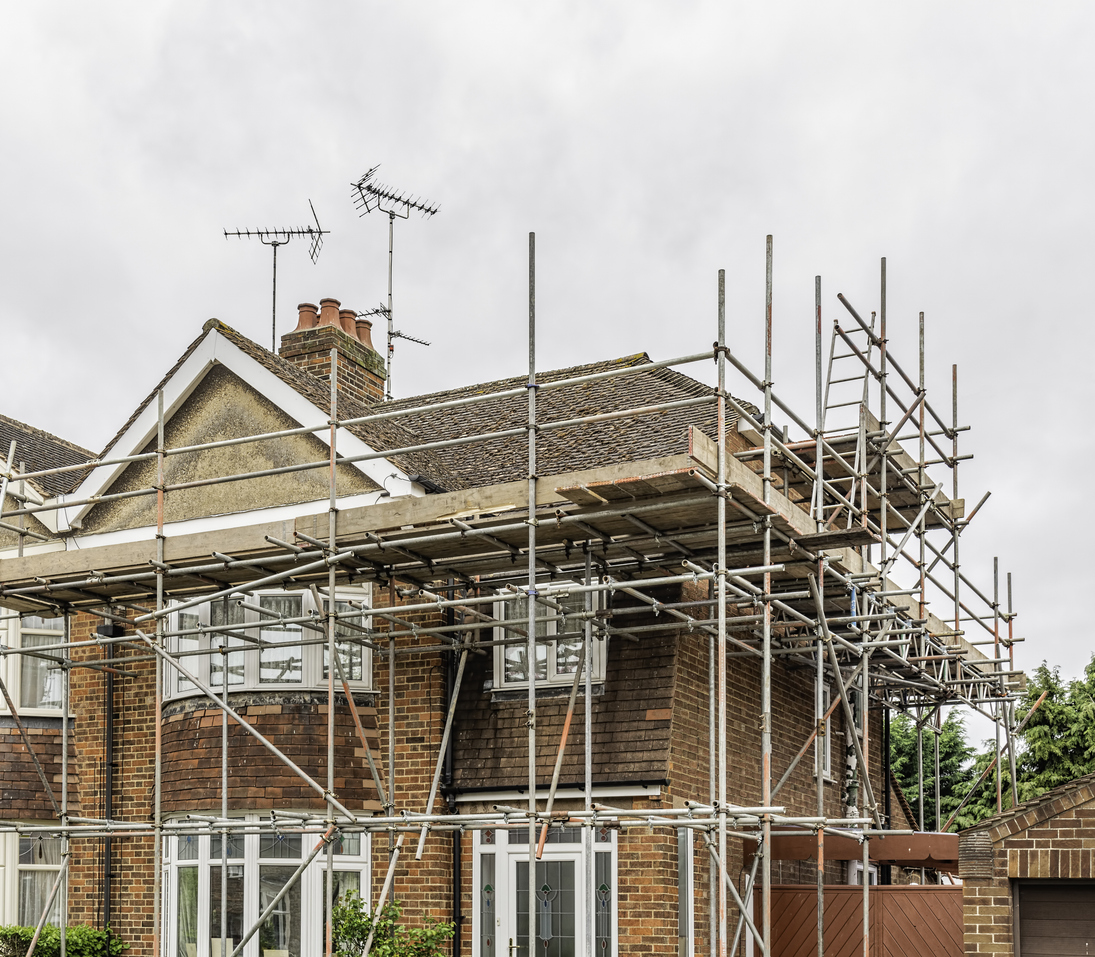
You need scaffolding for a building project when work at height cannot be carried out safely using ladders or other temporary access. For most trade projects, this includes prolonged work above ground level, two handed tasks, handling materials, or repeated access to the same working area. In these situations, scaffolding provides a stable platform that supports safe working and consistent progress.
The decision to use scaffolding is driven by risk and practicality rather than a specific height or project type. Trades such as roofing, bricklaying, rendering, and window installation commonly rely on scaffolding to meet safety expectations, maintain productivity, and deliver quality results. Planning access correctly from the outset also helps keep projects on schedule and avoids avoidable delays.
This guide begins with a frequently asked questions section because builders and contractors often need quick, clear answers when planning a job. Addressing these questions first provides immediate clarity on responsibilities and access requirements before exploring the wider considerations in more detail.
When do builders legally need scaffolding on a job?
Scaffolding is required whenever work at height cannot be carried out safely using simpler access methods. This is determined by the level of risk, the duration of the task, the working position, and whether materials or tools must be handled at height.
Is scaffolding always necessary for residential building work?
Not in every case, but for most professional trade projects involving extended work above ground level, scaffolding is considered best practice. Clients also increasingly expect to see proper access in place, even on domestic jobs.
Who is responsible for providing scaffolding on a building project?
Responsibility usually sits with the contractor carrying out or managing the work. Builders and tradespeople are expected to ensure safe access is provided before work begins, regardless of whether the project is domestic or commercial.
Can ladders or access towers replace scaffolding?
They can be suitable for short duration or low risk tasks, but they have clear limitations. Where repeated access, heavy materials, or multiple operatives are involved, scaffolding is typically the safer and more practical option.
Does using scaffolding slow a project down?
In most cases, scaffolding improves efficiency. Better access reduces time spent repositioning equipment and allows work to continue smoothly, helping projects stay on track.
For builders and contractors, scaffolding is a core part of site planning rather than a secondary consideration. The right access solution supports safe working, improves productivity, and helps maintain a professional site environment across residential and light commercial projects.
Different trades place different demands on access equipment, but the need for a stable working platform is consistent. Roofers depend on scaffolding to provide safe edge protection and access across roof lines. Bricklayers require full height platforms that allow materials to be positioned close to the work area. Painters, renderers, and cladding installers benefit from continuous access that supports even finishes and steady progress. Electricians and window installers often rely on scaffolding to safely reach multiple elevations while working with tools and components that are unsuitable for ladder use.
Across all trades, scaffolding supports proper posture and reduces fatigue, which has a direct impact on safety and workmanship.
Clients increasingly expect visible safety measures on site, particularly where work is carried out over several days or weeks. Scaffolding reassures homeowners and commercial clients that work is being managed professionally and responsibly. For contractors, it demonstrates compliance with safety obligations and reduces the risk of accidents, disputes, or interruptions.
Safe access also protects the surrounding property and anyone moving around the site. This is especially important on occupied properties or projects in public facing areas.
Scaffolding plays a significant role in improving workflow. Properly planned access allows tools and materials to be kept at working height, reducing unnecessary movement and saving time. It also enables multiple operatives to work efficiently without compromising safety.
For tasks involving heavy or awkward materials, scaffolding provides the load bearing stability that temporary access methods cannot offer. This improves efficiency while lowering the risk of manual handling injuries.
Scaffolding should be considered during the planning stage rather than once work is underway. Early planning ensures the correct configuration is available when required and prevents delays caused by unsuitable access. It also allows work to be sequenced effectively, particularly on projects involving multiple elevations or overlapping trades.
By factoring scaffolding into the project timeline, contractors can maintain momentum and avoid costly downtime caused by access changes.
For professional trades, reliability is essential. Using compliant, well maintained scaffolding from a trusted supplier supports safe working throughout the project. Quality access solutions help keep sites organised, adaptable, and efficient as work progresses from structural stages through to finishing.
Reliable scaffolding also reflects positively on the contractor, reinforcing professionalism and attention to detail.
Scaffolding is more than a safety requirement for builders and contractors. It is a practical tool that supports efficient workflows, professional standards, and successful project delivery. By assessing access needs early and choosing dependable scaffolding solutions, trade professionals can work safely at height while delivering consistent, high quality results on time.
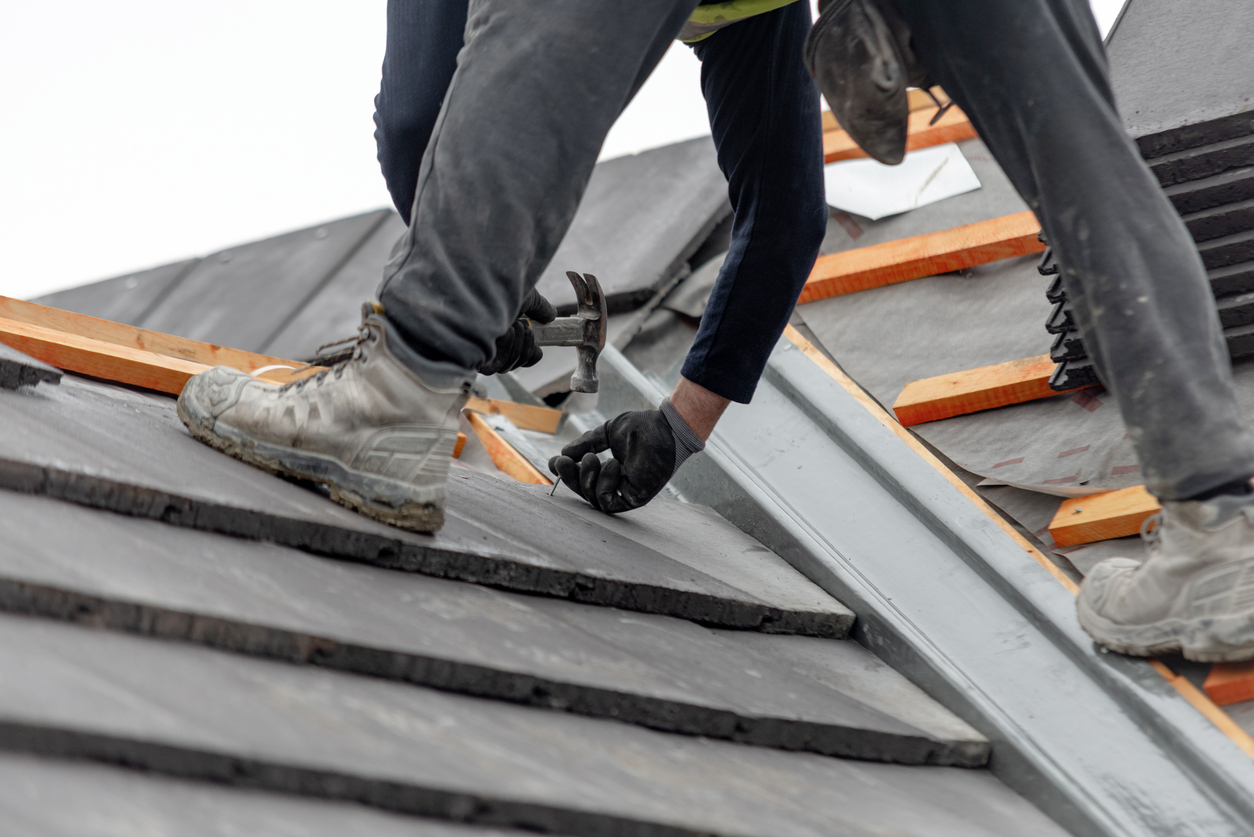
How improper tool selection, poor maintenance, and unsafe holstering create preventable site hazards In the construction and access ...
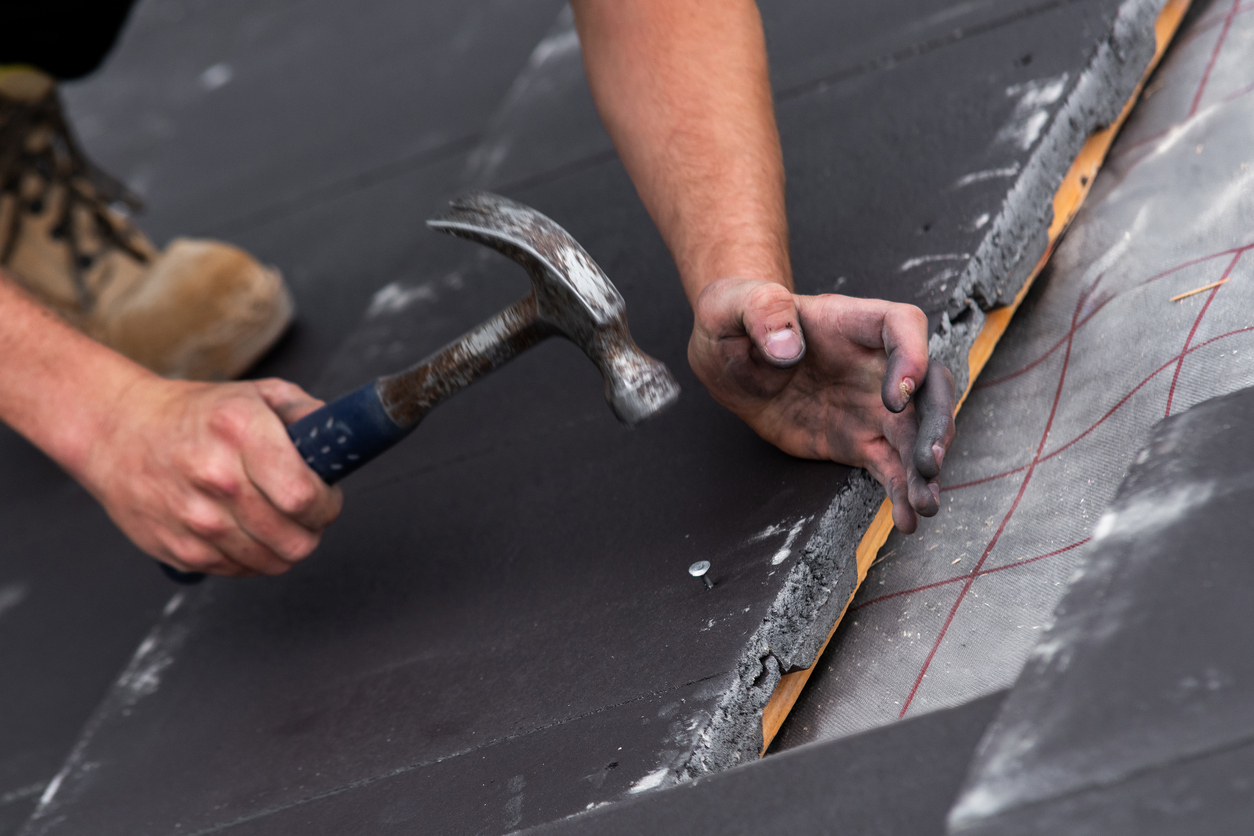
Why standard timber hammers fail on site and the specialised tools professionals rely on On any commercial construction ...
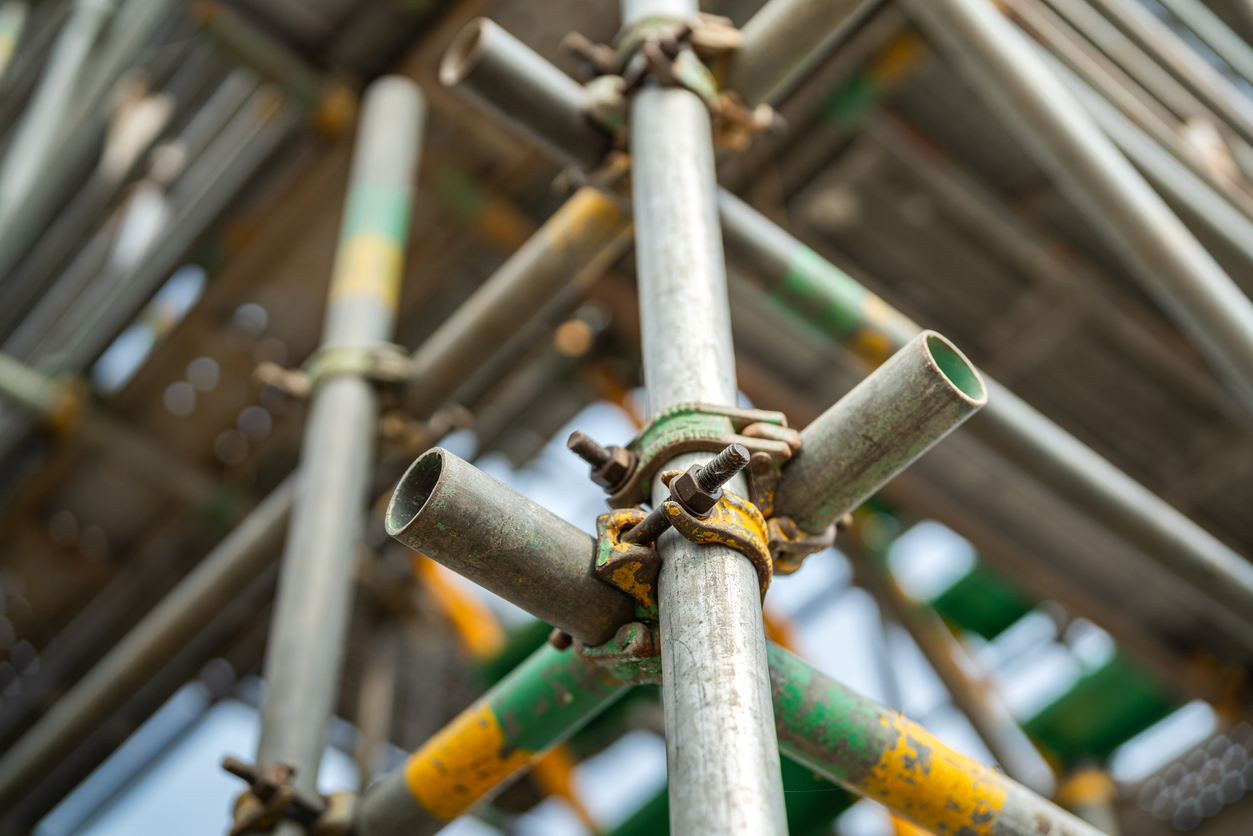
Sourcing high-quality steel or aluminium poles represents a substantial financial commitment for any construction or scaffolding firm. Whether ...
Please select the List you wish to add to.