What Is A Scaffold Frog And What Does It Hold?
- Kit Builder
- Scaffolding

Working safely and efficiently from height starts with choosing the right access system for your project. Whether you’re tackling large-scale construction, carrying out essential maintenance, or completing DIY improvements, understanding the difference between traditional scaffolding and access towers is essential. Each system is designed to meet very different needs, and selecting the right one ensures not only efficiency but also compliance and peace of mind.
At George Roberts, we’ve spent over 30 years supporting scaffolders, contractors, and property owners with high-quality access solutions that offer reliability, durability, and safety. As one of the UK’s leading independent suppliers, we’re here to help you find the most effective equipment for your working-at-height requirements.
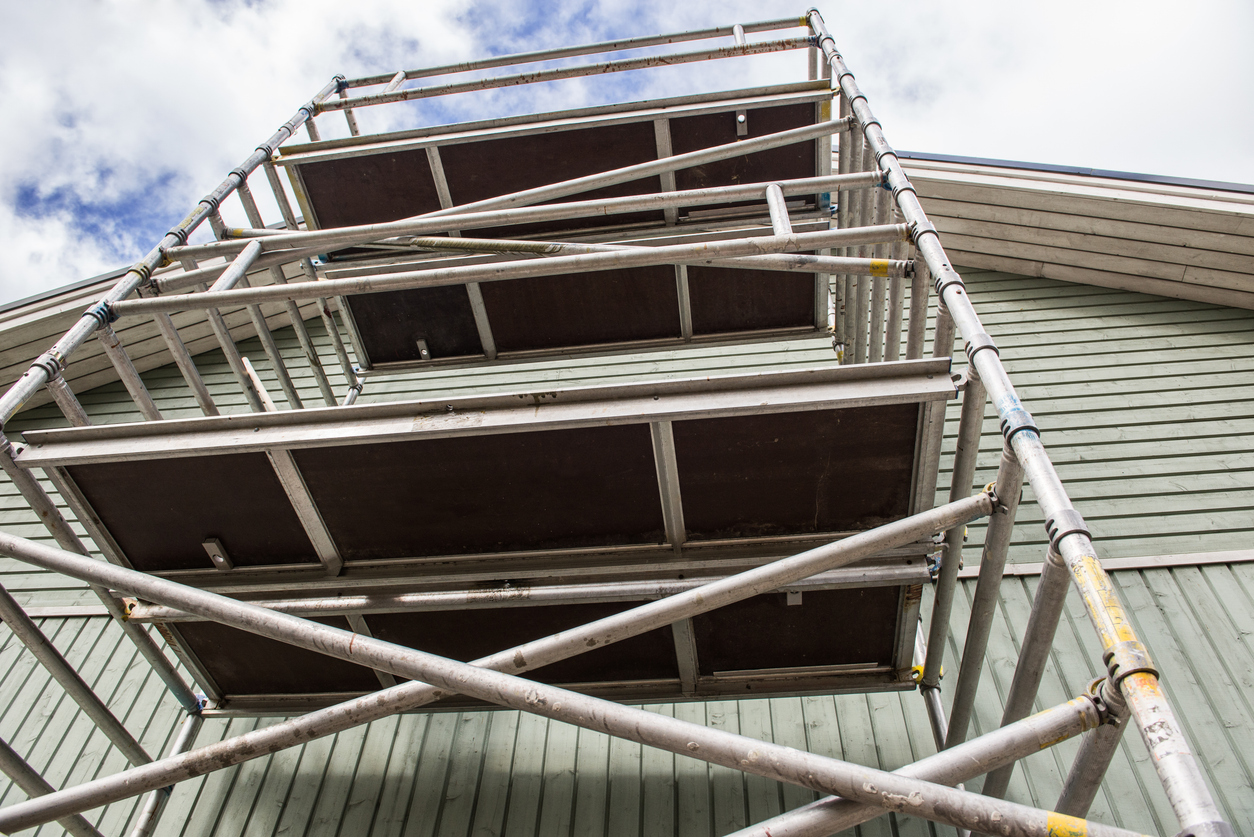
Scaffolding is a temporary, fixed structure assembled around or within a building to provide safe access for workers carrying out tasks at height. It is typically built using steel tubes, fittings and couplers, and scaffold boards that create stable, load-bearing platforms capable of supporting teams of workers, tools, and materials simultaneously.
Because scaffolding can be configured in almost any shape or size, it is widely used across demanding construction and industrial projects. Whether you’re repairing a chimney, renovating a façade, installing cladding, or completing a full building refurbishment, scaffolding offers the strength and stability required for long-term, heavy-duty work.
One of the biggest advantages of scaffolding is its versatility. It can be erected on uneven ground, wrapped around complex structures, and extended to significant heights while maintaining a safe working environment. This flexibility, supported by strict standards such as TG20 guidance, ensures scaffolding remains the preferred choice for projects where safety, durability, and stability cannot be compromised.
However, scaffolding does require specialist labour to install, regular inspections, and a longer setup time than more lightweight systems. It is designed for substantial, sustained workloads. Making it the ideal solution for contractors who need a robust access structure that will remain in place for as long as the project demands.
Access towers, often known as scaffold towers or mobile towers, are lightweight, prefabricated structures usually made from aluminium. Unlike fixed scaffolding, access towers are designed for portability and speed. They can be assembled quickly without specialist tools and moved around the site with ease, making them a practical solution for shorter or more flexible tasks.
These towers are commonly used for internal and external maintenance jobs, such as painting, cleaning, electrical work, installation tasks, and general building upkeep. Their modular frames allow you to adjust height to suit the job, while stabilisers, toe boards and guardrails ensure safe working conditions when assembled correctly.
Because they’re manufactured as pre-engineered systems, access towers comply with standards such as EN 1004, giving tradespeople and competent DIY users confidence in their safety and reliability. While they don’t offer the same heavy-duty performance or height capacity as traditional scaffolding, they excel in mobility, convenience, and speed of setup.
Access towers are best suited for tasks that require frequent repositioning, lighter loads, or short-term access to a specific area. Their compact design also makes them ideal for indoor environments where space may be limited.
Understanding the main differences between scaffolding and access towers will help you choose the right system with confidence.
The most significant distinction lies in their structure and purpose. Scaffolding is a fixed, highly adaptable system built for heavy-duty, long-term use. It offers exceptional load capacity, making it ideal for construction environments where workers, tools, and materials must be supported safely at height. Because scaffolding is assembled by trained professionals, it can be configured to suit challenging or uneven terrain and wrapped around entire buildings with precision.
Access towers, on the other hand, are designed for lighter-duty tasks. Their aluminium frames make them far easier to transport, assemble, and manoeuvre, providing a quick solution when working on isolated areas or carrying out routine maintenance. However, they are limited in height and load, and they require a firm, level surface to be used safely.
Cost and setup time also vary significantly. Scaffolding typically requires more labour, planning, delivery, and installation time, reflecting the level of safety and stability it provides. Access towers, being modular and mobile, offer a more cost-effective and time-efficient alternative for short-term or light work.
In simple terms: scaffolding is the go-to choice for long-term, high-demand projects, while access towers excel in quick, flexible, low-impact tasks.
Choosing between scaffolding and access towers starts with understanding the needs of your project. Consider the height you need to reach, the load you’ll be working with, the complexity of the structure, and how long the equipment will be required.
If you’re working on a large exterior renovation, cladding installation, brickwork, or anything involving heavy tools and materials, scaffolding is the most reliable option. It delivers the strength, stability, and configuration versatility required for demanding work environments.
If your task is light, short-term, or requires frequent movement, such as indoor painting, ceiling repairs, routine maintenance, or installation work. An access tower is likely the most efficient choice. It offers rapid setup, straightforward mobility, and a safe working platform without the need for a full scaffolding team.
It is also worth considering your working surface. Access towers must be used on firm, level ground, while scaffolding can be built on sloped or uneven terrain using adjustable base plates and bracing.
If you’re unsure, our customer support team is always here to help. With decades of industry experience and a proven track record, we can advise on the most suitable system for your project, ensuring you work safely and efficiently from height.
How high can an access tower go?
Most access towers are designed to reach safe working heights suitable for internal and light external tasks. They are limited compared to scaffolding, which can extend much higher when built by qualified scaffolders.
Do I need training to use an access tower?
Users must be competent and follow the manufacturer’s guidance closely. PASMA training is widely recommended for safe assembly and use.
When should I choose scaffolding over a tower?
Choose scaffolding for heavy-duty, long-term projects, uneven ground, or when supporting multiple workers and materials.
How long does scaffolding take to erect?
This varies depending on the size and complexity of the structure, but scaffolding generally requires more time and labour than an access tower.
Can access towers be used outdoors?
Yes, provided the ground is level and firm, and the tower is assembled with stabilisers and secured appropriately.
Both scaffolding and access towers deliver safe, practical solutions for working at height, but each is designed with very different tasks in mind. Scaffolding offers exceptional strength and adaptability for long-term, heavy-duty work, while access towers provide a fast, flexible option for lighter tasks that require mobility.
With over 30 years of experience and a proven track record as one of the UK’s leading independent suppliers, George Roberts is your trusted one-stop shop for high-quality, reliable height-access equipment. Whether you need durable scaffolding components or a lightweight tower for maintenance work, our team is here to guide you every step of the way.
If you have any questions, need advice, or want to check stock availability, simply get in touch. We’re here to help you work safely, efficiently, and with complete confidence from height.
Sourcing high-quality steel or aluminium poles represents a substantial financial commitment for any construction or scaffolding firm. Whether ...
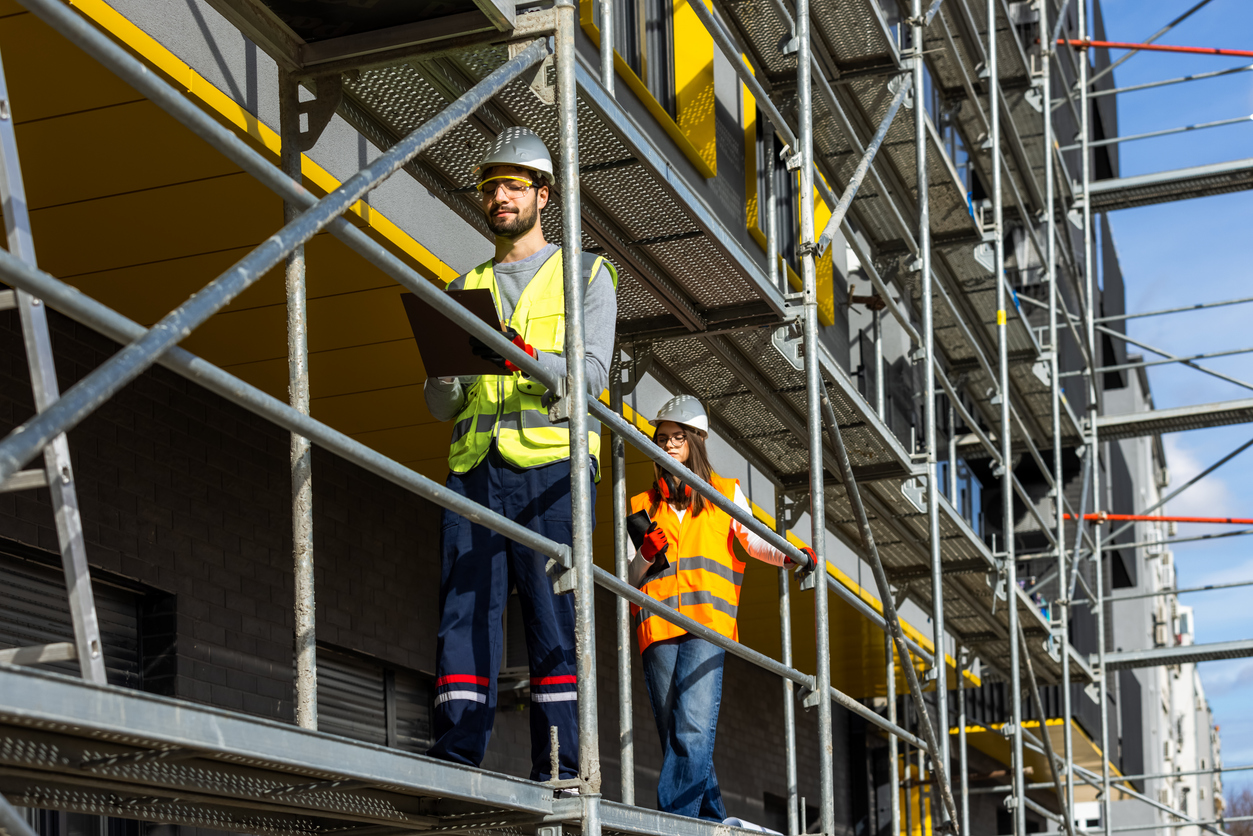
In the construction and engineering sectors, a scaffolding structure is frequently categorised by its scale or its overarching ...
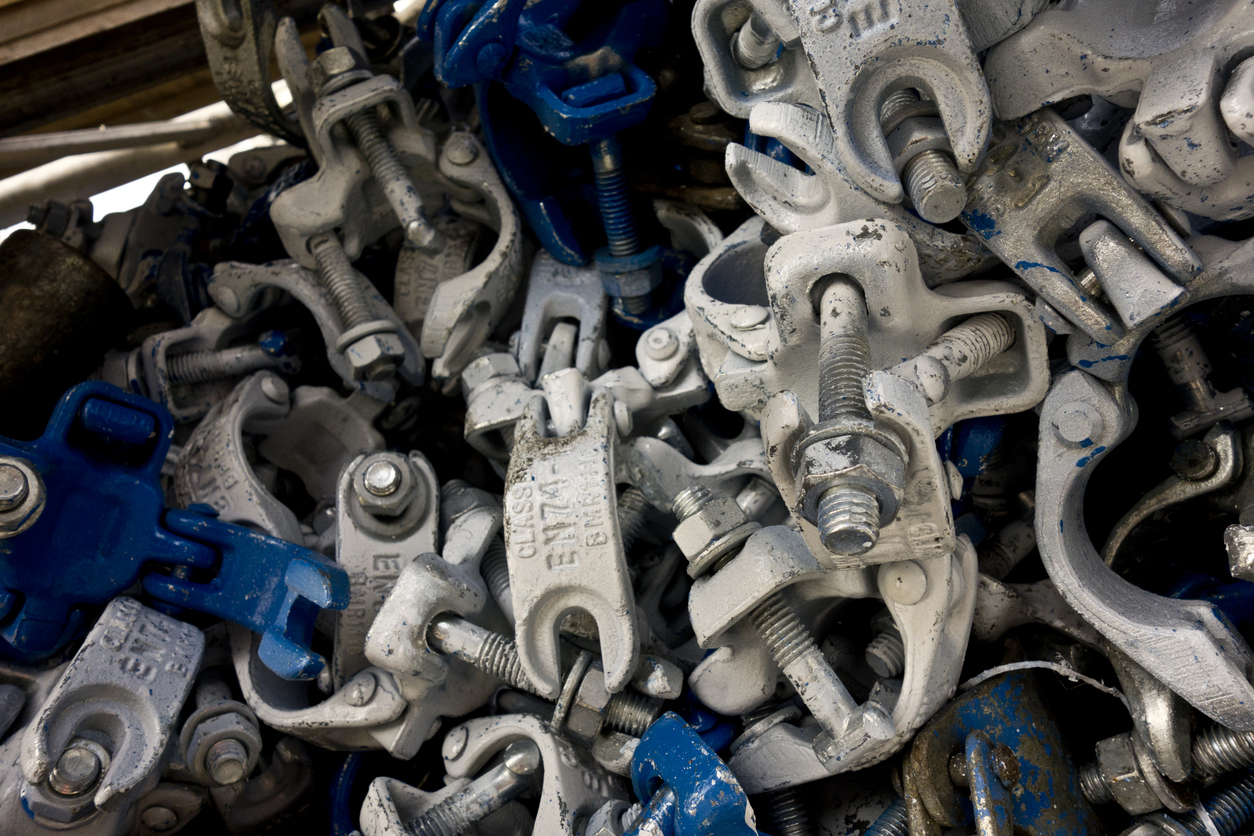
Every safe scaffolding structure relies completely on the physical integrity of its individual components. While scaffold boards provide ...
Please select the List you wish to add to.